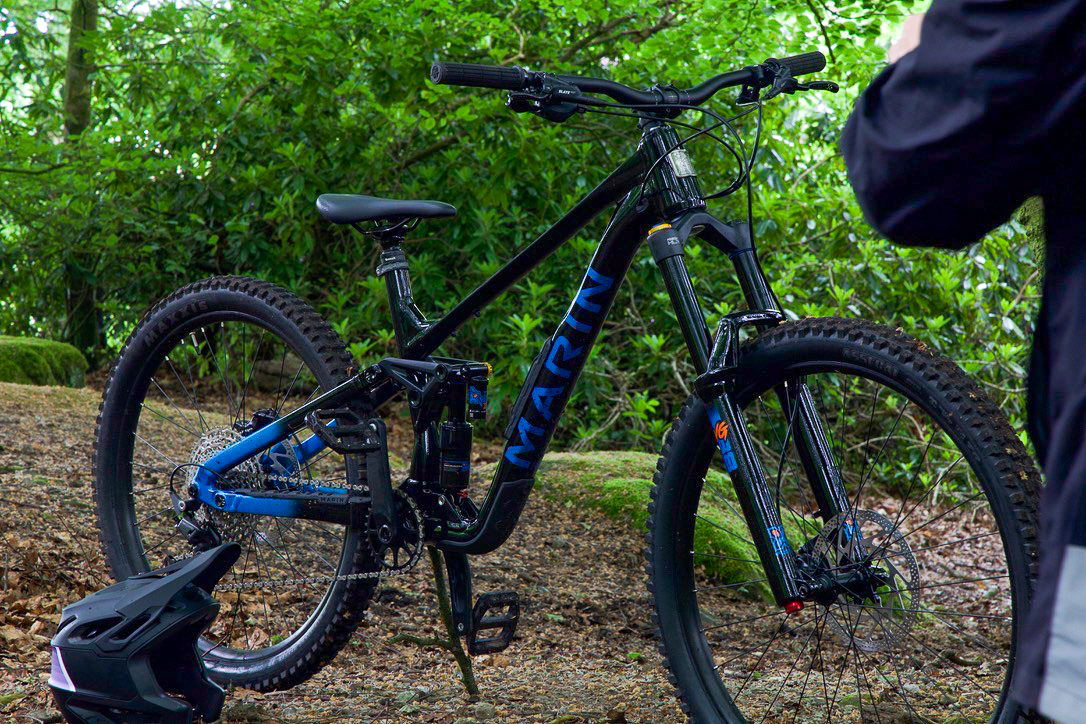
The Marin Alpine Trail has established itself as the brand’s hard-hitting enduro bike, built for riders who prioritise descending performance but still want something they can pedal beyond the bike park.
For 2026, Marin has chosen to refine that proven formula rather than start again.
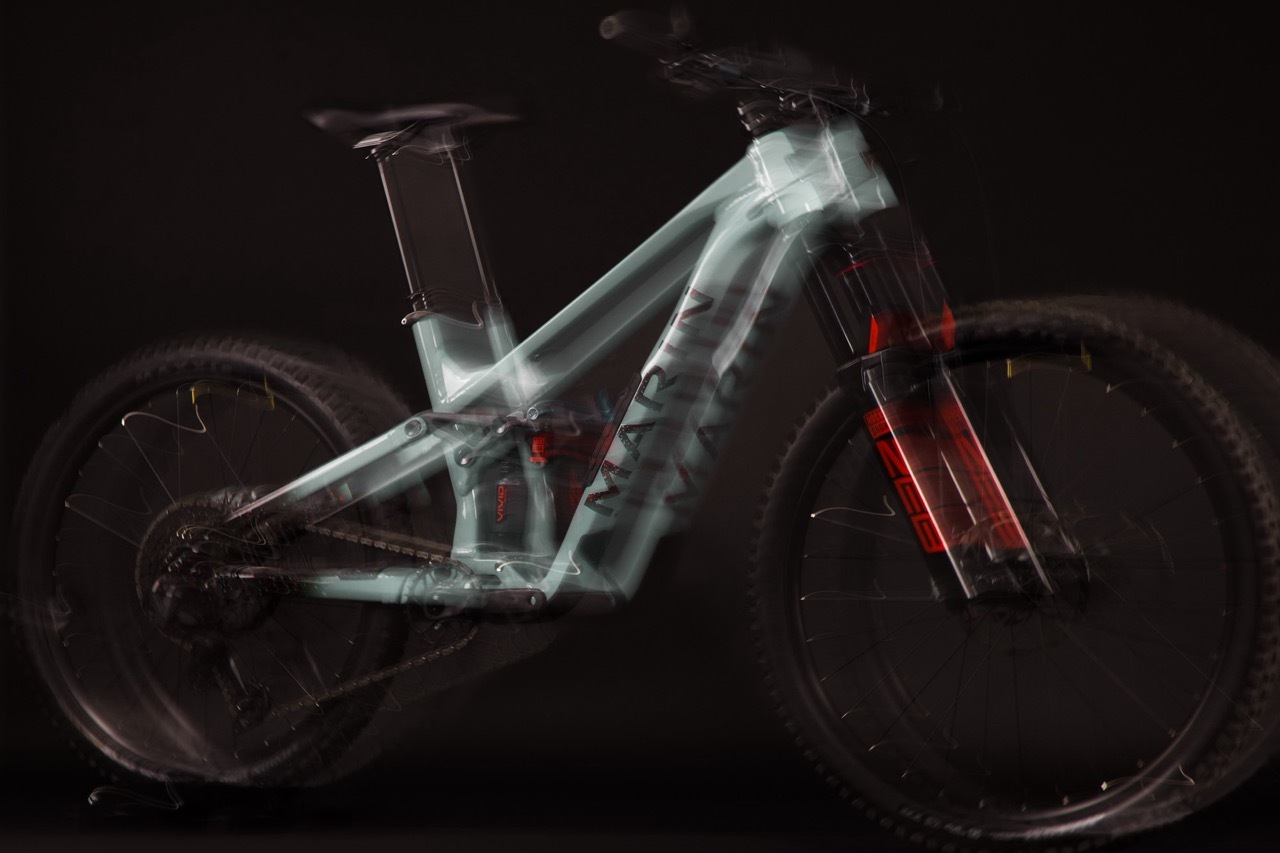
The familiar Series 4 aluminium chassis remains, along with 170mm of front travel, 160mm at the rear and Marin’s MultiTrac 2 LT suspension platform. It also retains its mixed-wheel configuration, adjustable geometry and the option to convert the bike to a full 29-inch setup.
The changes for 2026 are centred more around the range and its specifications, with the Alpine Trail 1, Alpine Trail 2 and XR Frame Kit providing three different routes into the platform.
Refinement Rather Than Reinvention
The key point with the 2026 Alpine Trail is that Marin has not replaced a platform that was already working well.
The previous Alpine Trail already used the same Series 4 aluminium construction, 29-inch front and 27.5-inch rear wheel arrangement, 170mm fork and 160mm MultiTrac 2 LT rear suspension. It also offered the same adjustable headset, chainstay flip chips, full 29-inch compatibility and integrated downtube storage.
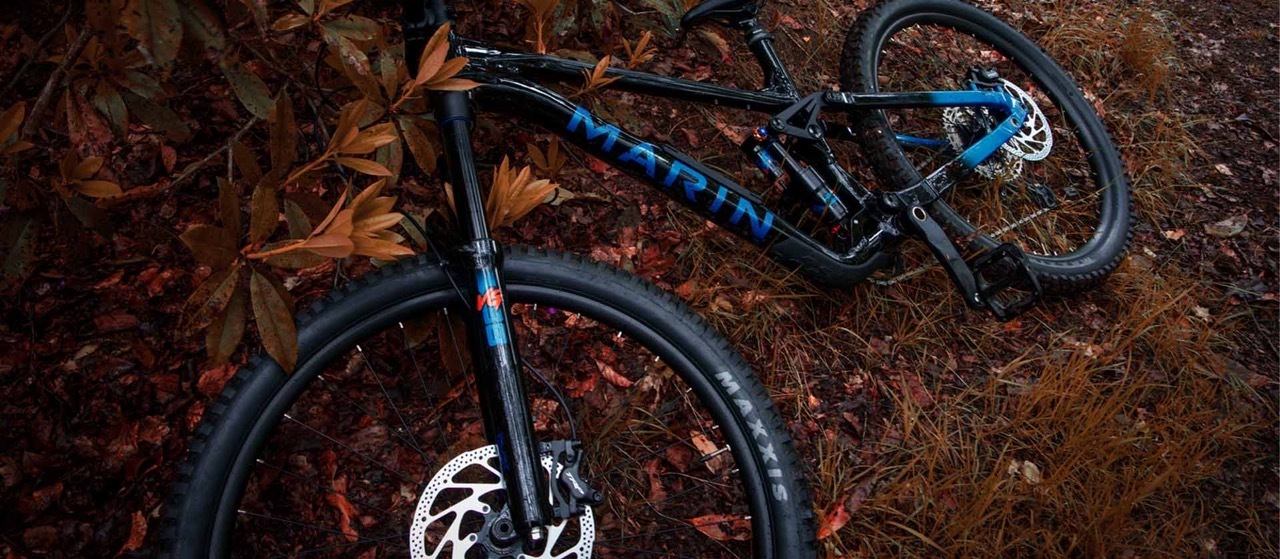
For 2026, Marin has revised the range around that chassis.
The result is not intended to completely change the Alpine Trail’s character. Instead, the new model structure and component packages build on its established position as a gravity-focused enduro bike that can still be pedalled across a full day of riding.
As Tom explains in the video, the Alpine Trail is clearly designed with descending in mind, but it is not limited to uplift days or short sessions in the bike park.
A Mullet Setup as Standard
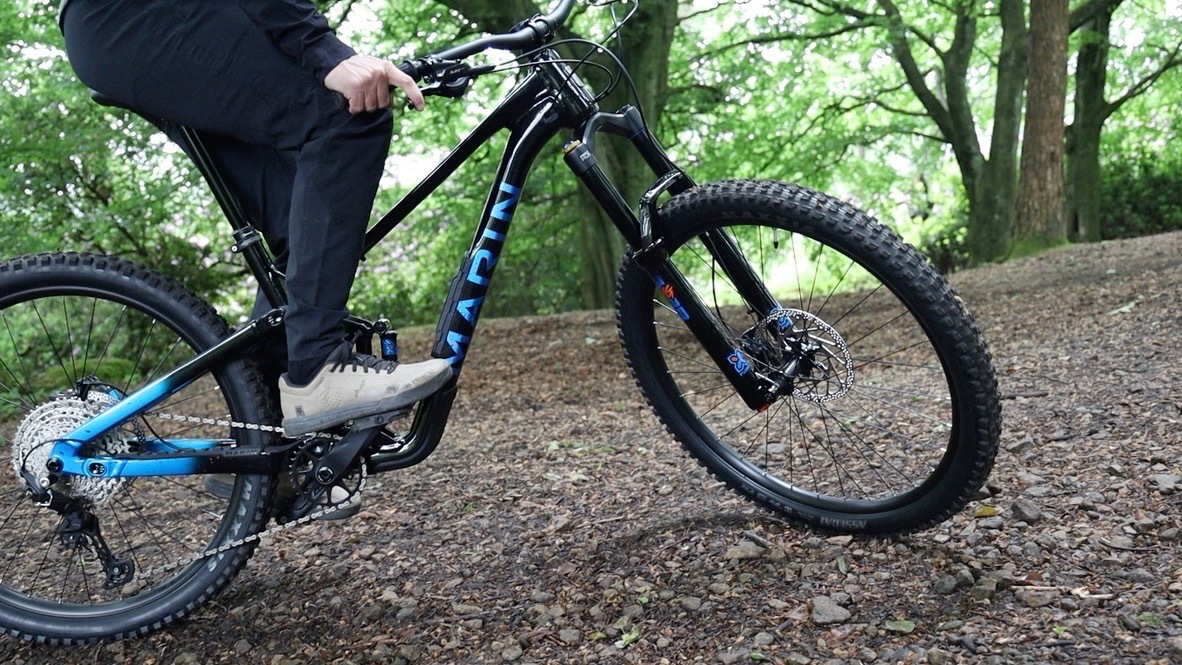
The Alpine Trail comes as standard with a 29-inch front wheel and a smaller 27.5-inch rear wheel.
The larger front wheel provides the rollover and stability needed when the trail becomes rough. It is better able to carry momentum through roots, rocks and holes, helping the front of the bike remain composed when speeds increase.
The smaller rear wheel gives the bike a more agile feel. It provides additional clearance on steep descents and makes the rear easier to lift, reposition and bring around through tighter corners.
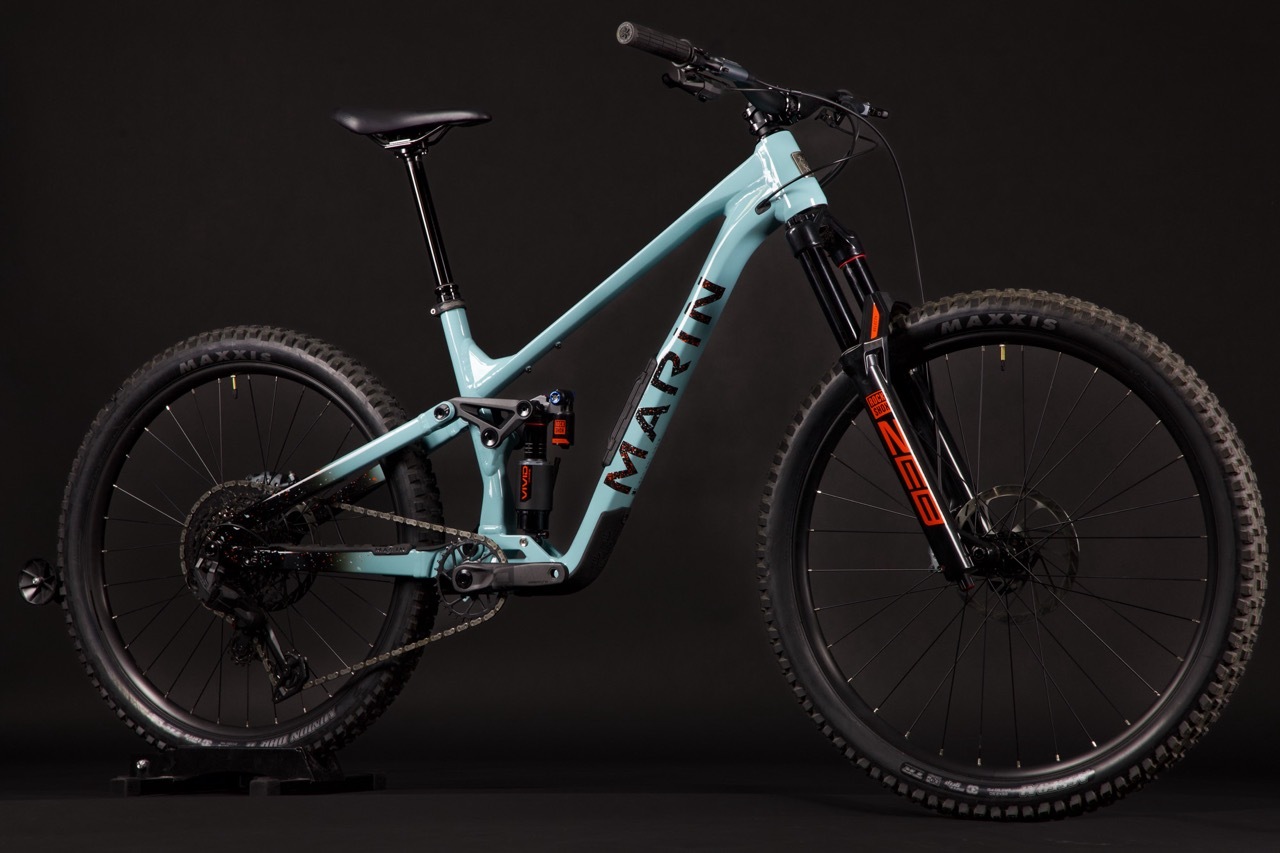
Tom’s feedback is that this mixed-wheel arrangement gives the Alpine Trail a useful balance. The front remains planted when the trail opens up, while the rear prevents the bike from feeling overly long or resistant to rider input.
It is still very much a long-travel enduro bike, but the mullet configuration helps retain a more playful character.
Full 29-Inch Compatibility
Riders who prefer maximum rollover and straight-line stability are not restricted to the standard mullet setup.
The 27.5-inch rear wheel can be replaced with an aftermarket 29-inch wheel, with the rear flip chips repositioned to accommodate the change. This allows the Alpine Trail to be converted into a full 29er without requiring a different frame.
Tom explains that this gives riders the option to tune the bike around their terrain and preferences.
The stock mullet configuration will suit riders who value agility, clearance and a rear end that is easy to move. A full 29-inch setup should appeal more to riders looking for additional rollover and stability on faster, rougher tracks.
Neither setup is intended to be universally better. The benefit is being able to choose the configuration that best matches how and where the bike will be ridden.
Twelve Geometry Configurations
Wheel size is only one part of the Alpine Trail’s adjustment.
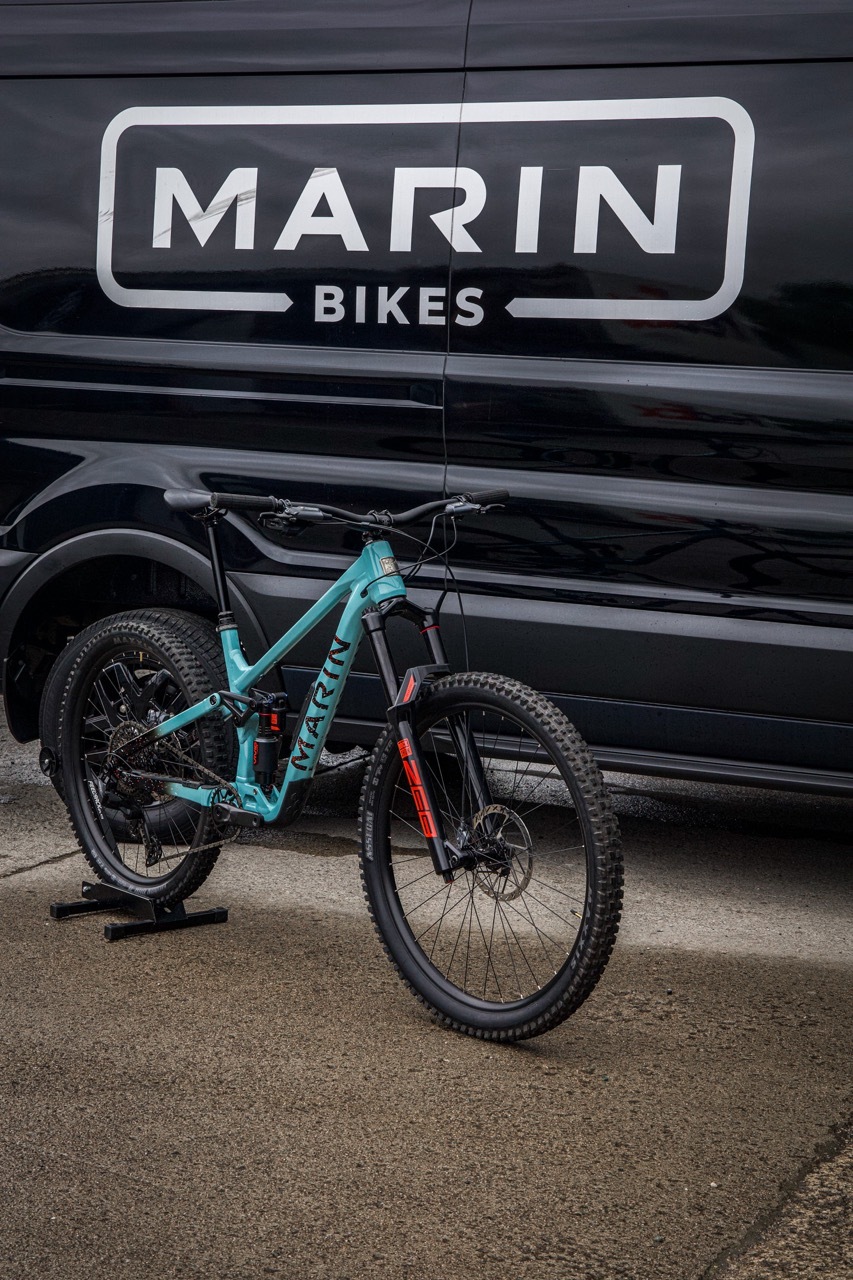
The headset uses interchangeable upper cups that provide 0.75 degrees of adjustment in either direction. This allows the rider to select a slacker position for faster and steeper descending or a steeper setting for more direct handling on tighter trails.
Flip chips at the seatstay pivots alter both the bottom bracket height and chainstay length.
In the high and short position, the bottom bracket sits at 352mm with 435mm chainstays. Moving into the low and long setting drops the bottom bracket to 345mm and extends the chainstays to 442mm.
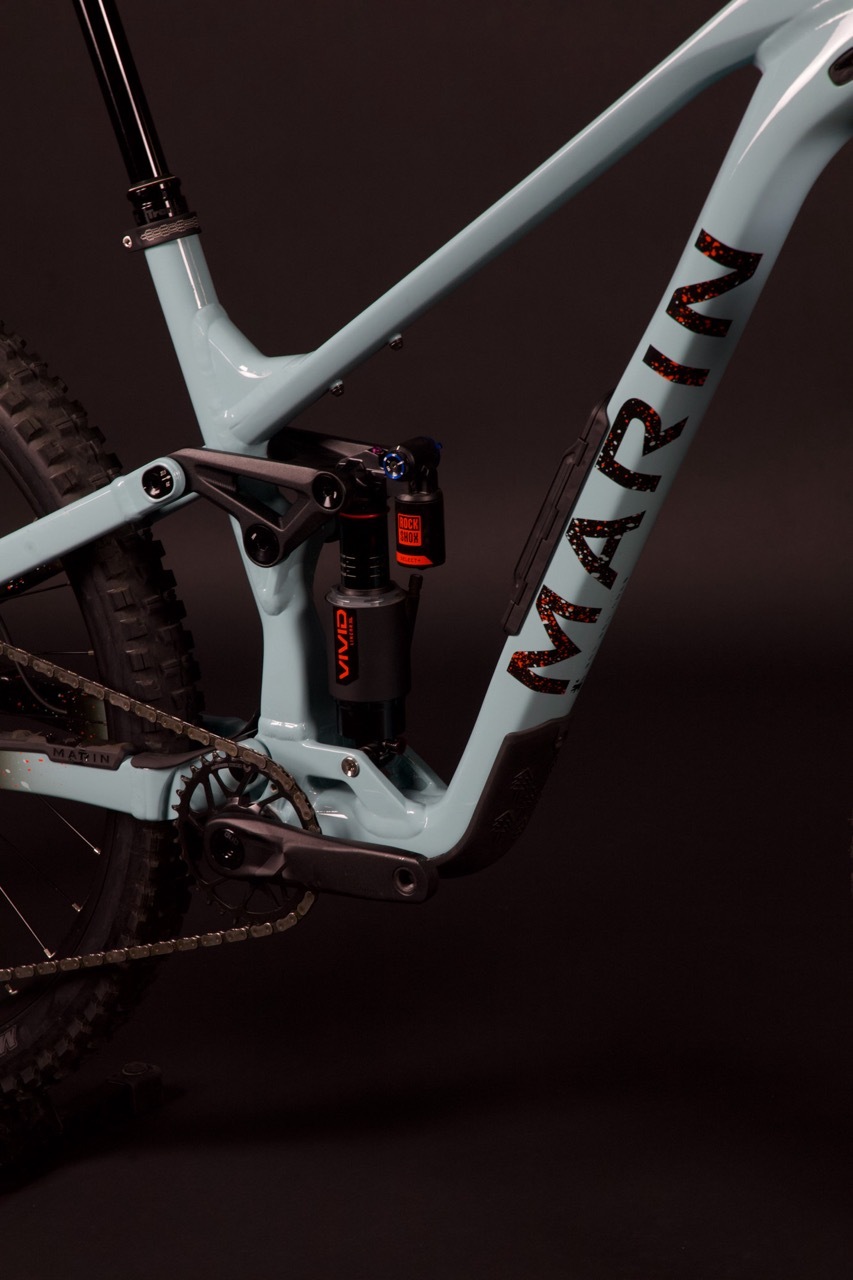
Combined with the two rear wheel options and adjustable headset, Marin says riders can choose from 12 different chassis configurations. The flip chips can be repositioned using a 6mm hex key and feature laser-etched markings to show their current setting.
Tom highlights this adjustability as one of the Alpine Trail’s strongest features. Riders can create a shorter and more responsive setup for tighter trails or move towards a lower, longer and slacker configuration when stability is the priority.
MultiTrac 2 LT Suspension
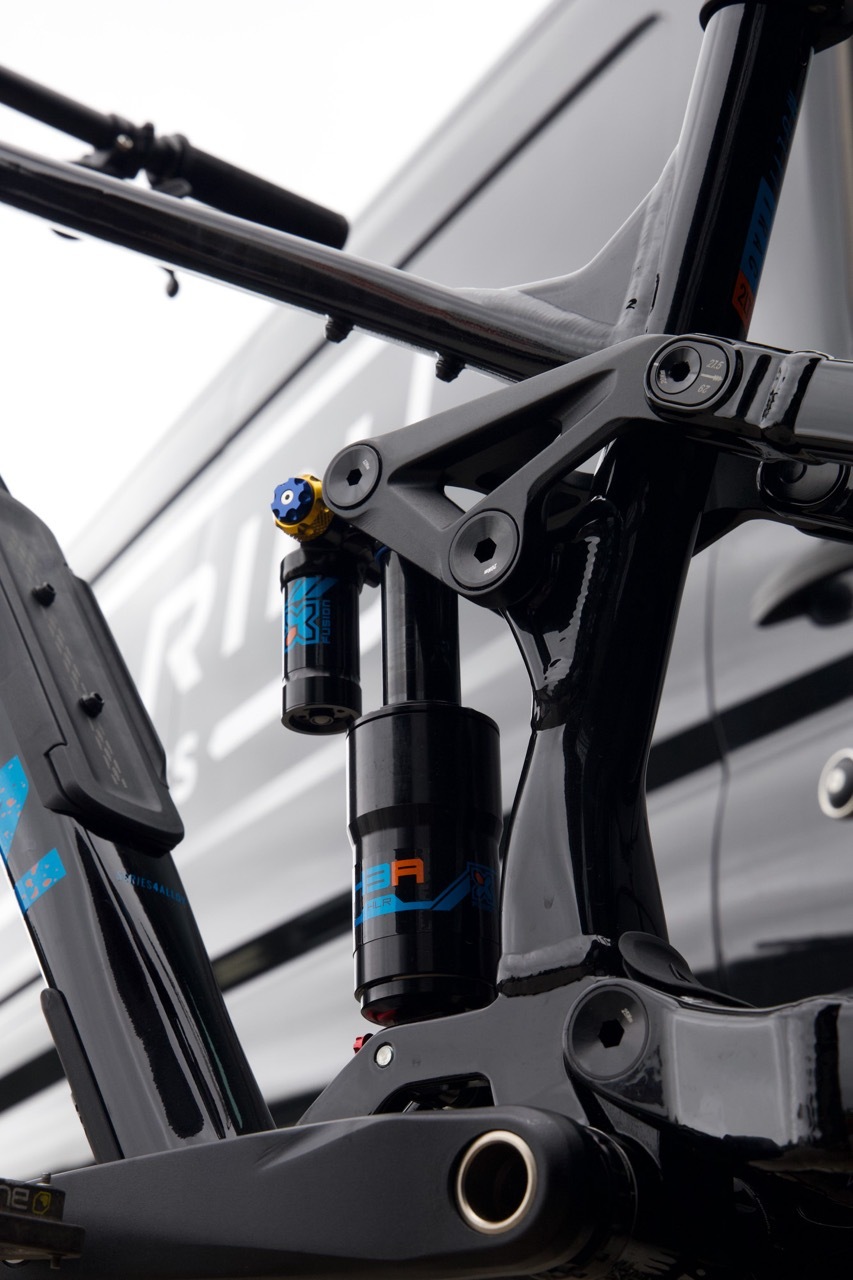
At the rear, the Alpine Trail uses Marin’s 160mm MultiTrac 2 LT suspension platform.
The Horst-link layout has been designed to balance sensitivity, support and progression. It allows the rear wheel to remain active across smaller impacts while providing the support needed through compressions, corners and larger features.
According to Tom, the Alpine Trail’s gravity focus does not result in a bike that feels inefficient whenever the trail points upwards.
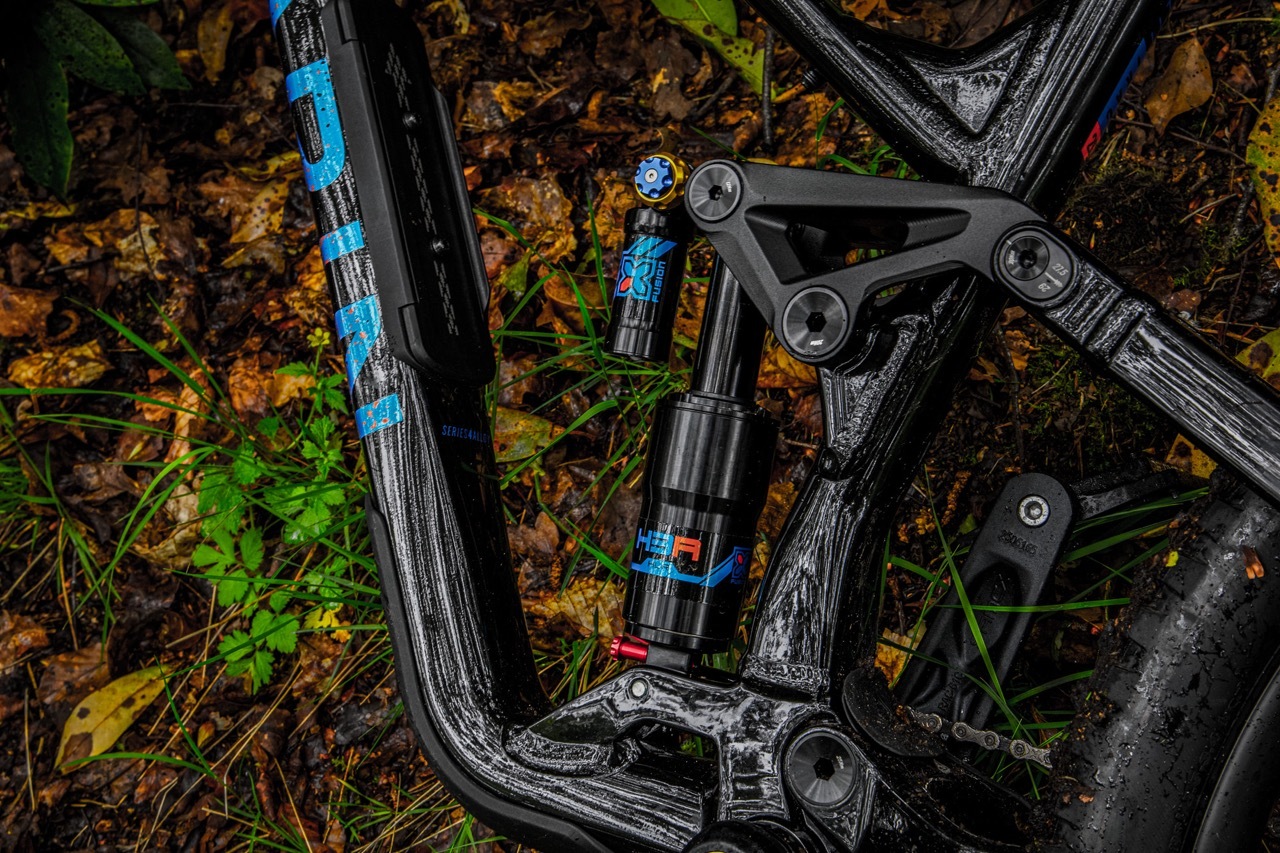
It remains a substantial enduro bike, but the suspension provides a stable pedalling platform and allows the bike to settle into a comfortable rhythm on longer climbs. That makes it practical for riders who want to pedal to the top rather than relying solely on uplift access.
Once pointed downhill, the travel and geometry give the Alpine Trail the composed feeling expected from a bike in this category. Tom describes it as stable and confidence-inspiring, but not so fixed to the ground that it becomes difficult to move around.
Compare models & explore the range
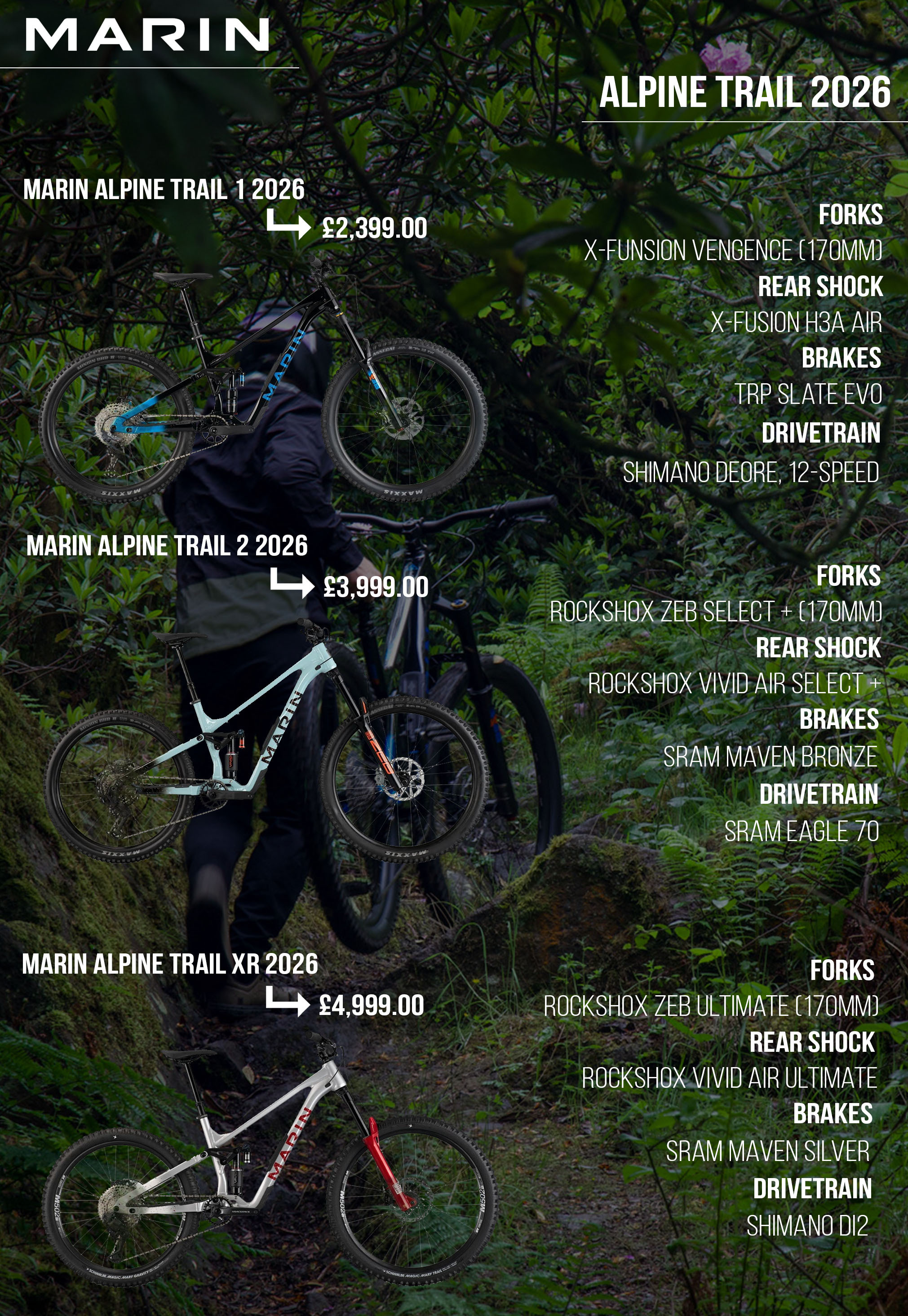
We’ve included comparison charts below so you can clearly see the main differences between the Marin Alpine Trails models.
For a more granular breakdown, the individual product pages go into full detail on specifications and features, with the four bikes in the new Alpine Trail range listed below.
To compare all individual specs for each new 2027 Marin Alpine's model click here
Pre-order now at MTB Monster
The new Marin Alpine Trail range is now available to pre-order with a £200 deposit. You can secure yours here
Finance & Cycle to Work
- 0% Finance available up to 48 months (subject to terms and conditions)
- Cycle to Work schemes supported
Finance options will vary depending on the model.
Marin Alpine Trail - Comparison Chart
Posted by Paul Hoyle on 16th Jul 2026
Need any further help in choosing your next bike? Drop us a line on 01254 959345, or alternatively fill out the form below. We'd be glad to help.