(And Why the Category Still Helps)
In 2026, the line between “lightweight” and “full-power” EMTBs is no longer clear cut.
Motors are more efficient.
Batteries are modular.
Full-power bikes are lighter than ever.
But the conversation still matters because riders still want different experiences.
The real question isn’t:
Which one is better?
It’s:
Why would you deliberately choose one over the other?
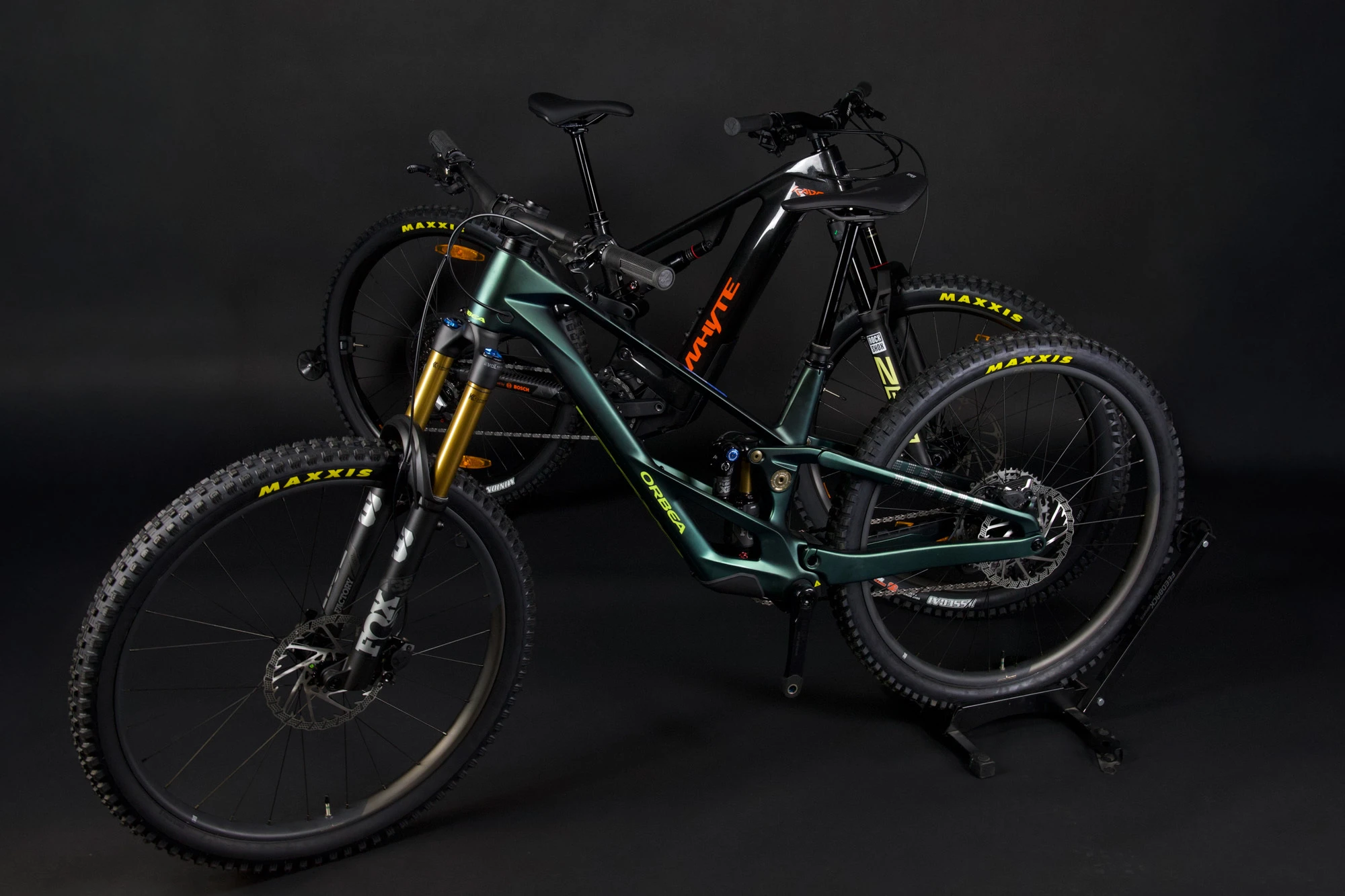
Why Choose a Full-Power EMTB?
Full-power systems typically prioritise:
• Higher torque ceilings
• Larger battery capacity
• Stronger sustained assistance
• Maximum climbing authority
You might prefer full-power if:
• You regularly ride steep UK terrain
• You prefer pushing bigger gears at lower cadence
• Your riding group climbs in higher assist modes
• You want maximum assistance headroom available
• You value climbing pace and consistency over saving weight
For many adult riders, especially on long enduro days, full-power systems provide controlled, repeatable climbing performance.
You don’t have to use maximum output.
But it’s there when you need it.
It’s less about outright speed — and more about authority.
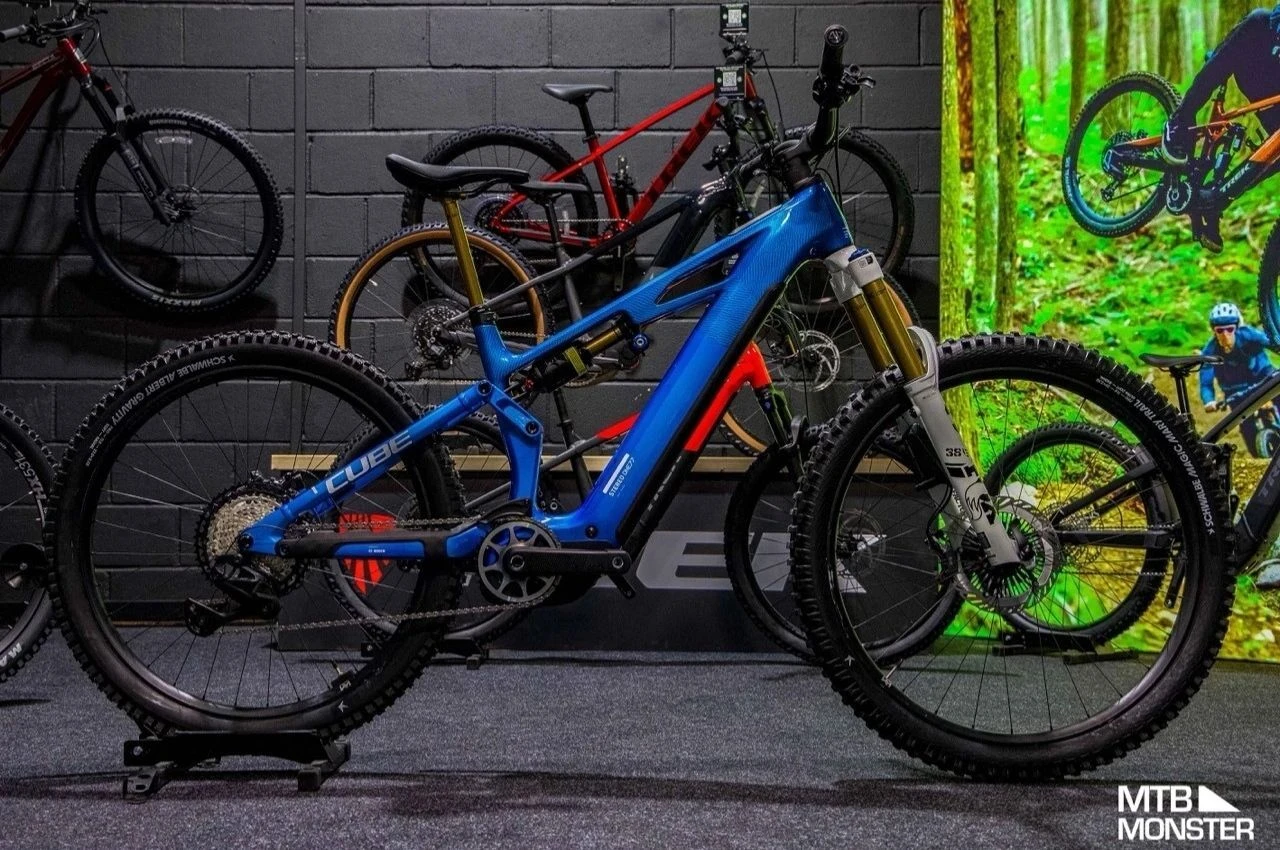
Why Choose a Lightweight EMTB?
Lightweight systems typically prioritise:
• Reduced overall mass
• Subtle assistance
• Agility and handling balance
• A more analogue ride feel
You might prefer lightweight if:
• Descending feel matters more than climbing dominance
• You naturally ride at higher cadence
• You ride technical terrain where balance is critical
• You want minimal “motor presence”
• You value bike feel over maximum power ceiling
For riders coming from traditional MTB backgrounds, lightweight systems often feel more intuitive and playful.
They enhance the ride rather than lead it.
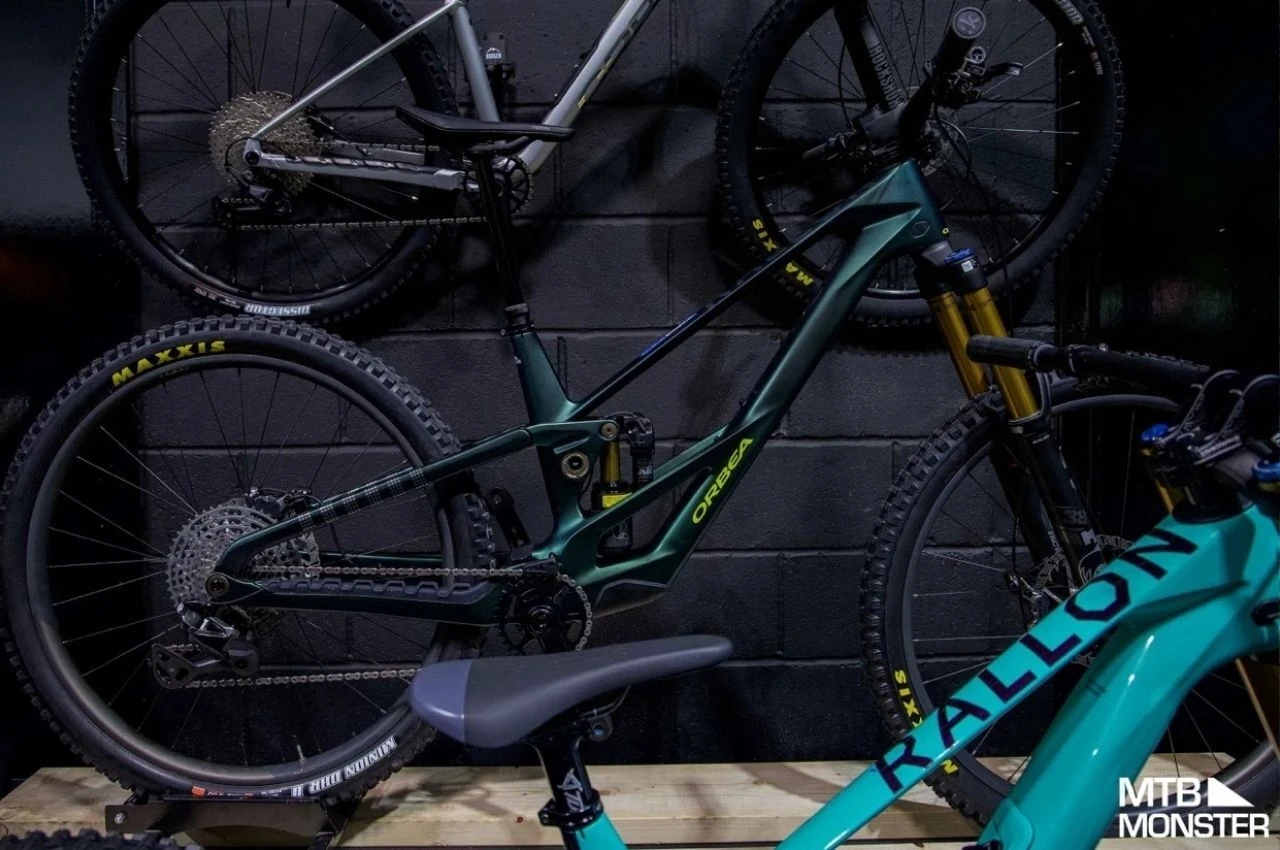
2026 Reality: The Lines Have Blurred
Some “lightweight” bikes now accept larger batteries.
Some full-power bikes are under 20 kg.
Range extenders allow you to tune capacity depending on the ride.
A 60 Nm motor today feels stronger than it did five years ago.
A 100 Nm system no longer automatically means a heavy bike.
The category is no longer defined purely by torque or total weight.
How We Categorise Bikes at MTB Monster
We don’t just look at weight on a spreadsheet.
We look at how the manufacturer positions the model within its own range.
Going forward, our categorisation is simple:
The Lightweight EMTB category includes models that each brand has positioned as the lighter option within its own electric mountain bike range.
That’s it.
It isn’t a rigid engineering label.
It isn’t based on a fixed kilogram cut-off.
It isn’t defined by torque alone.
It reflects brand intent.
And that makes it a useful starting point when filtering bikes.
What Often Matters More Than 10 Nm of Torque
In real UK riding, small torque differences rarely define your day.
These factors usually matter more:
1. Who You Ride With
If your group rides 800 Wh batteries in higher modes, that sets the pace.
If they ride lighter systems conservatively, output matters less.
Battery capacity and usage habits shape the ride just as much as motor spec.
2. Your Fitness and Cadence Style
Some riders naturally spin at higher cadence.
Others prefer pushing a bigger gear.
Certain motors reward cadence.
Others maintain stronger output at lower RPM.
That preference can matter more than a small torque difference.

3. Battery Size
Larger batteries allow:
• Longer rides
• More laps
• Higher sustained pace
Smaller batteries allow:
• Lower weight
• More agile handling
• Less bulk
The “right” choice depends on how you ride, not just how far you ride.
4. The Bike Itself
1. Geometry.
2. Suspension travel.
3. Frame stiffness.
4. Tyres.
5. Weight distribution.
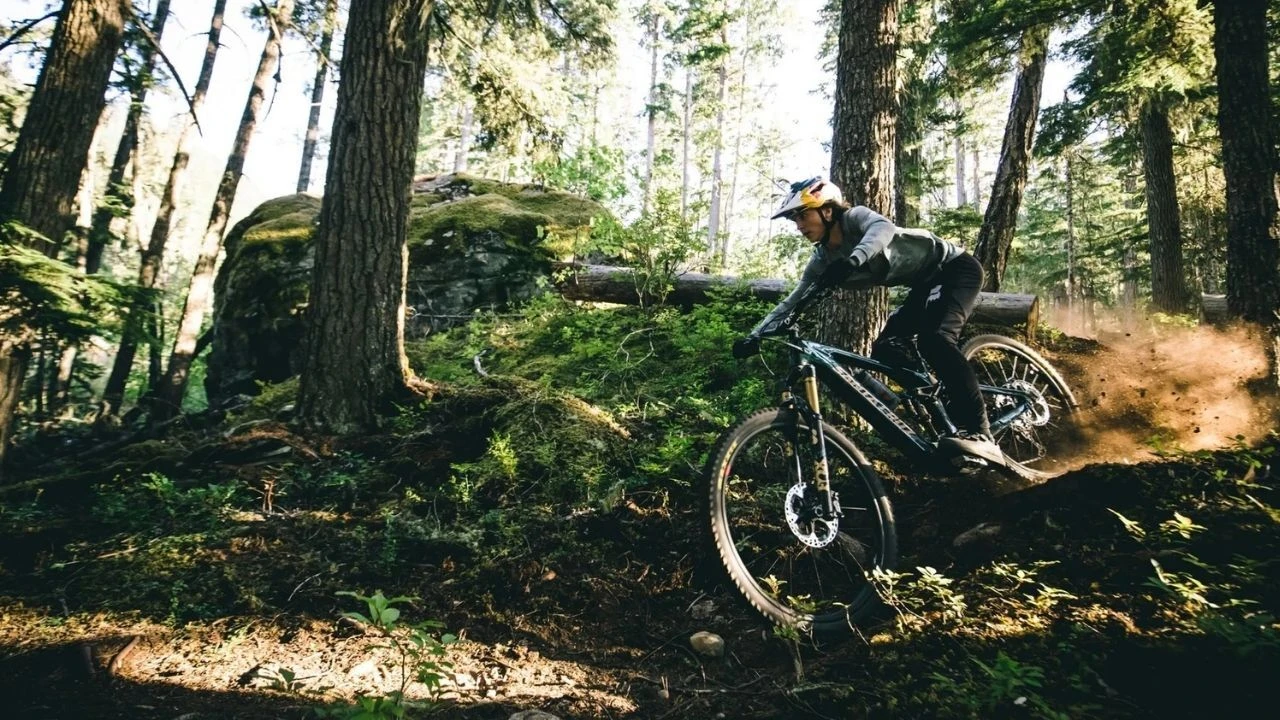
If you’re gravity-oriented and session downhill tracks, the descending performance of the chassis will influence your ride far more than the motor.
When gravity takes over, it’s the bike itself that truly shapes the experience.
A lighter system can make it easier to pick lines while descending, feel more agile in tight terrain, and require less effort to manoeuvre through technical sections.
For riders who like to hop, manual, or quickly adjust direction mid-trail, reduced overall weight can make the bike feel more responsive and easier to move around underneath you.
On the other hand, slightly heavier bikes often feel more planted at speed.
In loose, rough or fast terrain, additional system weight can help the bike track more consistently, feel stable through chatter, and carry momentum when the ground starts skipping around.
Neither is “better” in isolation.
It depends whether you prioritise agility and playfulness or stability and planted confidence when things get rough. For gravity-focused riders, the motor is simply a means to an end, a tool for efficiently getting back to the top.
The real priority is how the bike behaves attacking the descent.
Adult vs Junior Context
For adult performance bikes, full-power systems often make sense in steep terrain where climbing consistency matters.
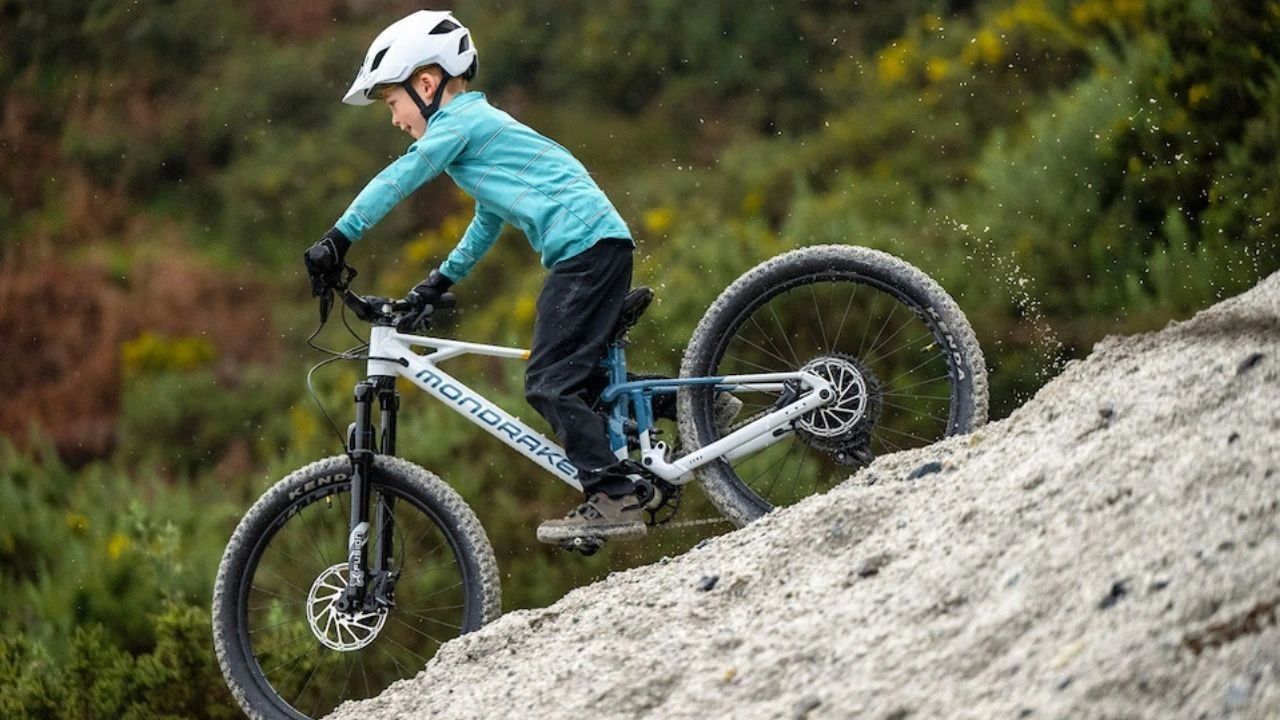
For junior EMTBs, priorities shift:
• Rider body weight is lower
• Required torque is lower
• Overall bike weight matters more
• Handling confidence is critical
In that context, lighter systems often create a better balanced bike for progression and skill development.
Maximum torque is rarely the objective.
Control and manageability are.
So Is the Category Still Useful?
Yes, as long as you understand what it represents.
Lightweight vs full-power in 2026 is not a strict technical divide.
It’s about design intent.
It’s about whether the bike is positioned to prioritise:
• Agility and subtle assist
or
• Range and climbing authority
That distinction still helps riders filter out models that don’t align with their goals.
Final Perspective
Modern motors are strong across the board.
The difference isn’t just torque.
It’s:
• Your terrain
• Your riding group
• Your battery expectations
• Your cadence style
• How much you prioritise descending performance
The best motor isn’t the one with the biggest number.
It’s the one that makes your local trails more enjoyable, whether that’s a full-power adult enduro machine or a balanced junior EMTB built for confidence and progression.
And in 2026, the smartest way to choose isn’t by chasing labels.
It’s by understanding what the bike is designed to prioritise and whether that matches how you actually ride.
FAQs: Lightweight vs Full-Power Electric Mountain Bikes (EMTB): The 2026 Debate
What is the weight difference between a Light and Full-Power EMTB?
Can a lightweight e-bike keep up with a full-power one?
Who is a lightweight EMTB for?
Do lightweight EMTBs have smaller motors?
Is a full-power EMTB "cheating"?
Can I put a big battery in a lightweight EMTB?
Which is better for technical descending?
Are lightweight e-bikes more expensive?
Does a full-power bike have more range?
Which one should I buy?
Posted by Paul Hoyle on 30th Apr 2026
Need any further help in choosing your next bike? Drop us a line on 01254 959345, or alternatively fill out the form below. We'd be glad to help.