When you look at the adult performance EMTB market, one thing becomes obvious: almost all serious trail and enduro bikes use mid-drive motors.
That’s no accident.
But there’s another side of the market, particularly lightweight adult builds and junior EMTBs where hub systems like Mahle’s X-series can make real sense.
Mahle isn’t chasing 100 Nm torque numbers.
It’s focused on light weight, subtle assistance and clean integration.
The experience is best described as:
A normal bike
With a steady tailwind
That difference matters, especially when we separate adult performance bikes from junior EMTBs.
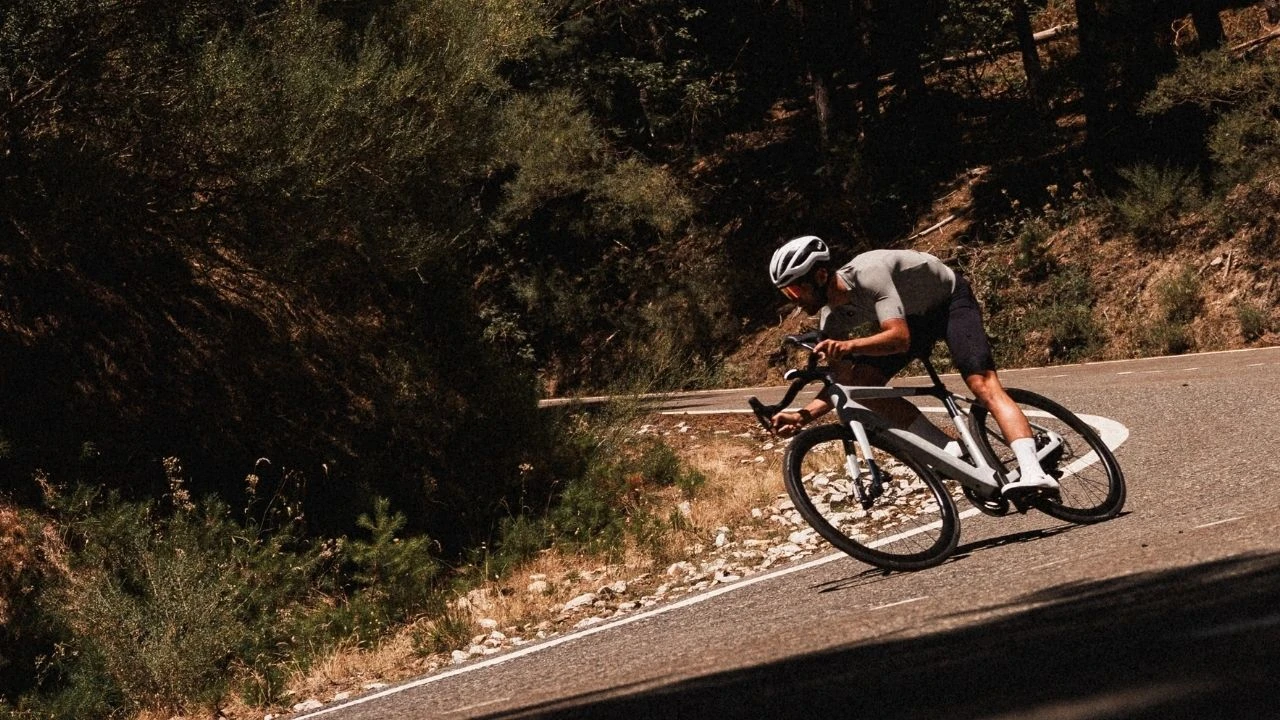
Mid-Drive vs Hub: Why Adult Performance Bikes Use Mid-Drives
On adult trail and enduro EMTBs, mid-drive motors dominate.
Mid-drives:
• Deliver power at the crank
• Use the bike’s gears
• Multiply torque in low gears
• Maintain strong output at slow climbing speeds
• Keep weight central and low
On steep UK woodland climbs, rocky switchbacks and slow technical sections, that mechanical advantage is critical.
That’s why every adult performance EMTB we stock uses a mid-drive system.
If climbing authority and control under load are priorities, mid-drive remains the strongest tool.
Where Hub Systems Fit: Lightweight Adult & Junior EMTBs
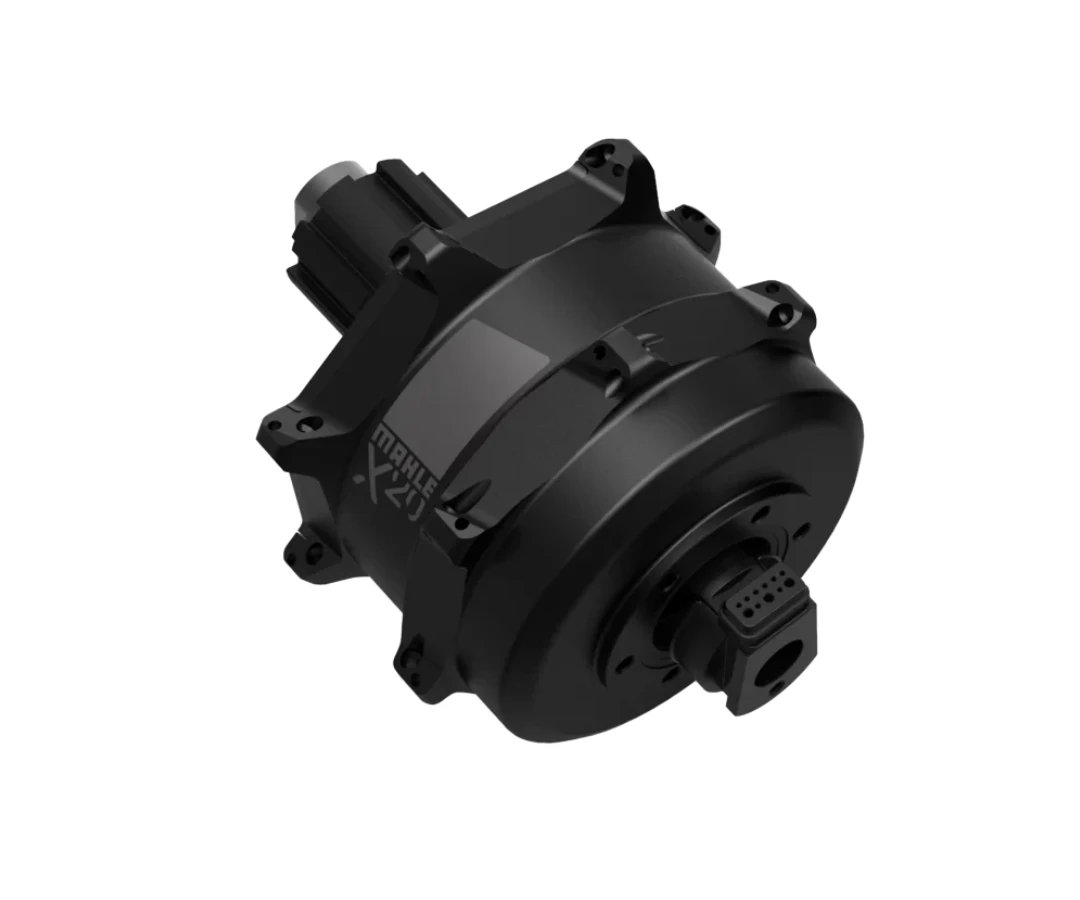
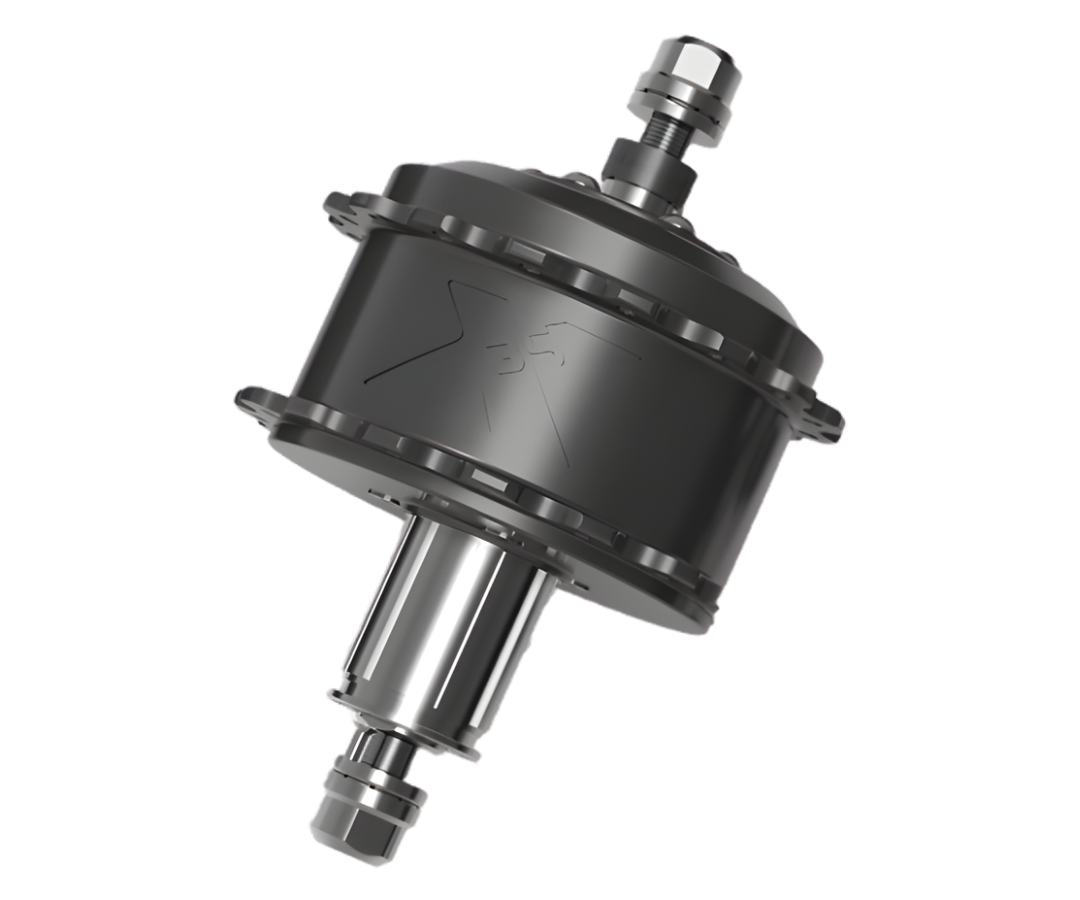
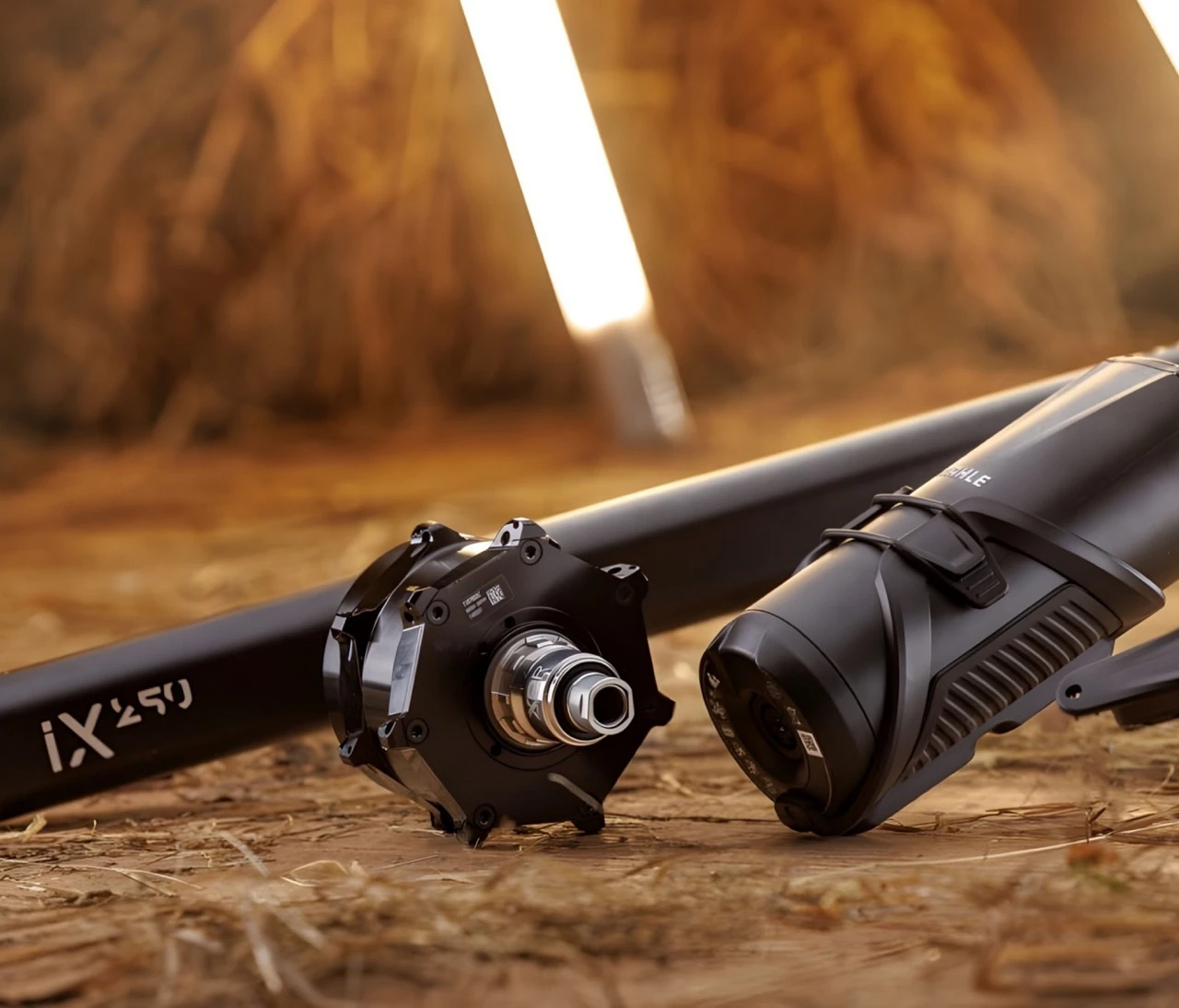
Hub motors, like Mahle’s X20 and X35, drive the rear wheel directly.
That means:
• No motor bulk at the crank
• A very natural pedalling stance
• Lower system weight
• Clean aesthetics
They don’t multiply torque through gearing in the same way a mid-drive does, which means they’re not built for aggressive slow-speed technical climbing.
But in the right context, they’re extremely effective.
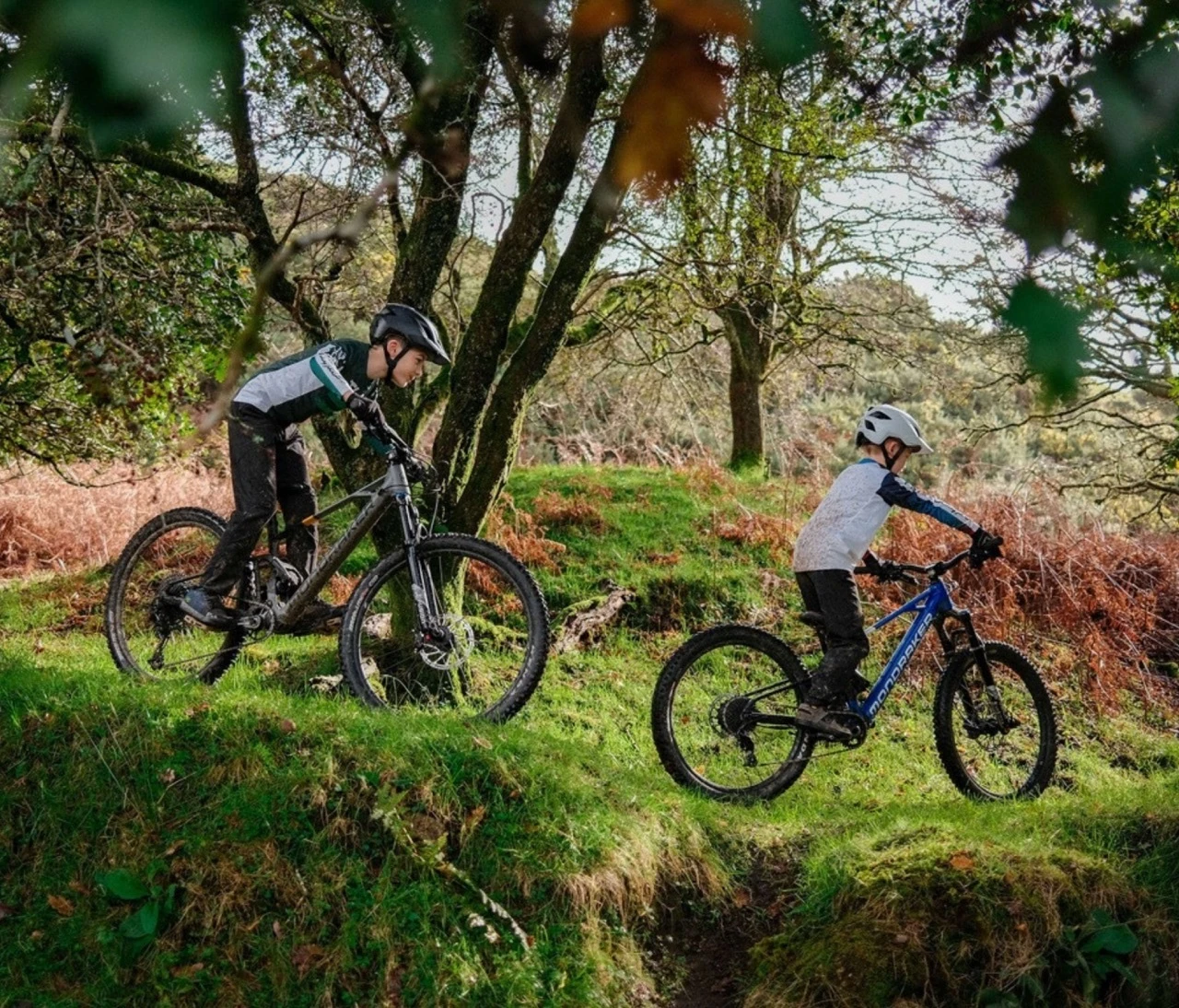
Why Hub Motors Often Make Perfect Sense for Junior EMTBs
Children’s EMTBs have very different priorities from adult enduro machines.
For junior riders:
• Overall bike weight matters more
• Rider body weight is significantly lower
• Required torque to climb is much lower
• Handling must remain playful and confidence-inspiring
A 35–65 Nm hub motor on a lighter bike can provide more than enough assistance to help a young rider climb comfortably without making the bike feel heavy or overpowering.
In this context, a hub system isn’t a compromise, it’s often the right engineering solution.
You get:
• Smooth, manageable assistance
• Lower overall mass
• Simple integration
• A bike that still feels nimble
For young riders, control and balance are more important than maximum torque output.
Mahle X20 vs X35: What’s the Difference?
| Motor | Torque | Peak Power | Motor Weight | Best Fit |
|---|---|---|---|---|
| X20 | 65 Nm | 275 W | 1.39 kg | Premium lightweight builds / higher-spec junior |
| X35 | 40 Nm | 250 W | ~2.0 kg | Entry-level junior / light leisure |
Mahle X20: Lightweight & Responsive
The X20 uses a torque sensor, meaning assistance matches how hard you pedal.
It feels:
• Smooth
• Proportional
• Light underfoot
• Natural above 25 km/h
On lightweight adult builds, it preserves traditional bike feel.
On junior EMTBs, it offers strong but manageable assistance without overwhelming the rider.
Mahle X35: Simple & Subtle
The X35 is a more basic hub system.
It’s suited to:
• Entry-level junior EMTBs
• Gentle terrain
• Lower output use
It provides steady assistance but isn’t intended for aggressive adult trail riding.
Battery Pairing: Why Weight Matters More for Juniors
Mahle systems are built around efficiency.
X20 Pairings
• 236 Wh internal
• 350 Wh internal
• 171 Wh range extender
For junior bikes especially, smaller batteries help:
• Keep total weight manageable
• Maintain proper handling
• Avoid making the bike feel top-heavy
A lighter system is often more important for a young rider than maximum range.
Adult vs Junior: The Simple Breakdown
Adult performance EMTBs
→ Mid-drive systems dominate because of torque multiplication and technical climbing control.
Junior EMTBs
→ Lightweight hub systems can be ideal because they deliver enough assistance without compromising balance and handling.
Different rider. Different requirement.
Final Thoughts
Mahle isn’t trying to compete with high-torque mid-drives for adult enduro dominance.
Instead, it offers:
• Lightweight assistance
• Subtle power delivery
• Clean integration
For adult riders chasing steep, technical terrain, mid-drive systems remain the benchmark.
For junior riders where nimbleness, weight and confidence matter more than raw torque, hub systems can be a very intelligent solution.
That’s why understanding the difference matters.
FAQs: Mahle X20 vs X35 (2026): Where Hub Motors Make Sense in EMTB
Do I need to pedal for the motor to work?
Can I ride an EMTB with the motor turned off?
Does the motor make the bike harder to pedal over 15.5mph?
What is a torque sensor?
How long does an EMTB battery take to charge?
Can I use a throttle on a UK legal EMTB?
Are e-bike motors waterproof?
Why are mid-drive motors better for mountain biking?
What is the difference between peak power and nominal power?
Posted by Paul Hoyle on 29th Apr 2026
Need any further help in choosing your next bike? Drop us a line on 01254 959345, or alternatively fill out the form below. We'd be glad to help.