By 2026, most premium EMTB motors are genuinely good.
They’re powerful.
They’re refined.
They’re tunable.
They’re reliable.
So the real challenge isn’t finding a “strong” motor anymore.
It’s choosing the right system for how you actually ride, whether that’s adult enduro terrain or a balanced junior EMTB setup.
If you’ve read our comparisons, you’ll know the numbers. This article isn’t about repeating them.
It’s about what should really guide your decision.
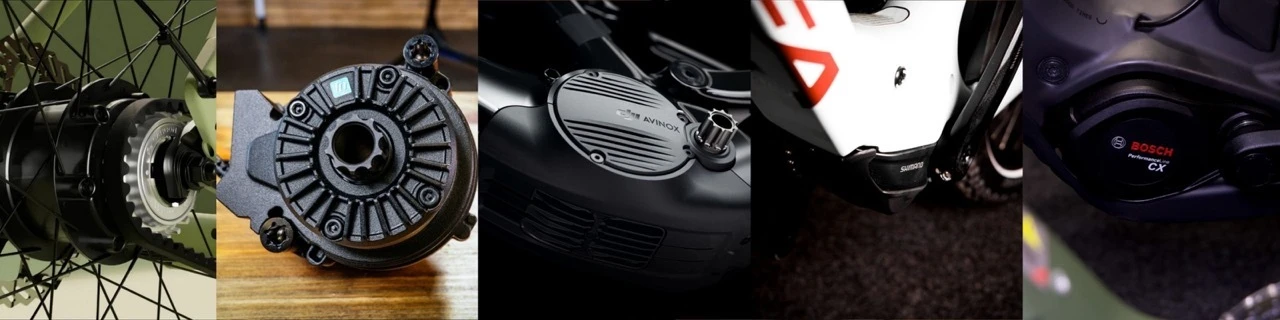
1. Your Terrain Comes First
Before torque figures, ask:
What do I actually ride?
• Long, sustained climbs?
• Tight technical switchbacks?
• Flow trails?
• Gravity-focused tracks where descending is the priority?
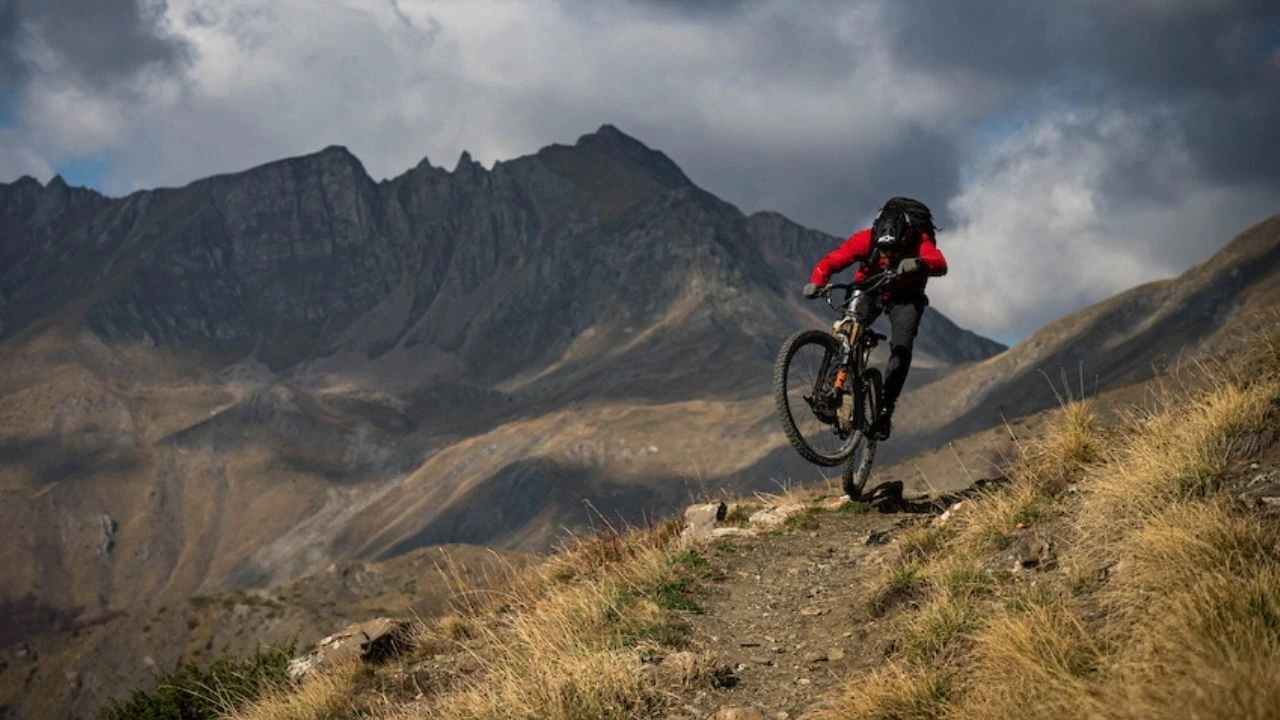
If you mainly ride gravity-oriented terrain, the motor’s job is often just to get you back to the top efficiently.
Once gravity takes over, it’s the bike’s geometry, suspension, tyres and chassis balance that define the ride.
In those environments, 10 Nm more torque rarely changes the descending experience.
The bike itself matters more.
2. Who You Ride With
This is rarely discussed, but it makes a real difference.
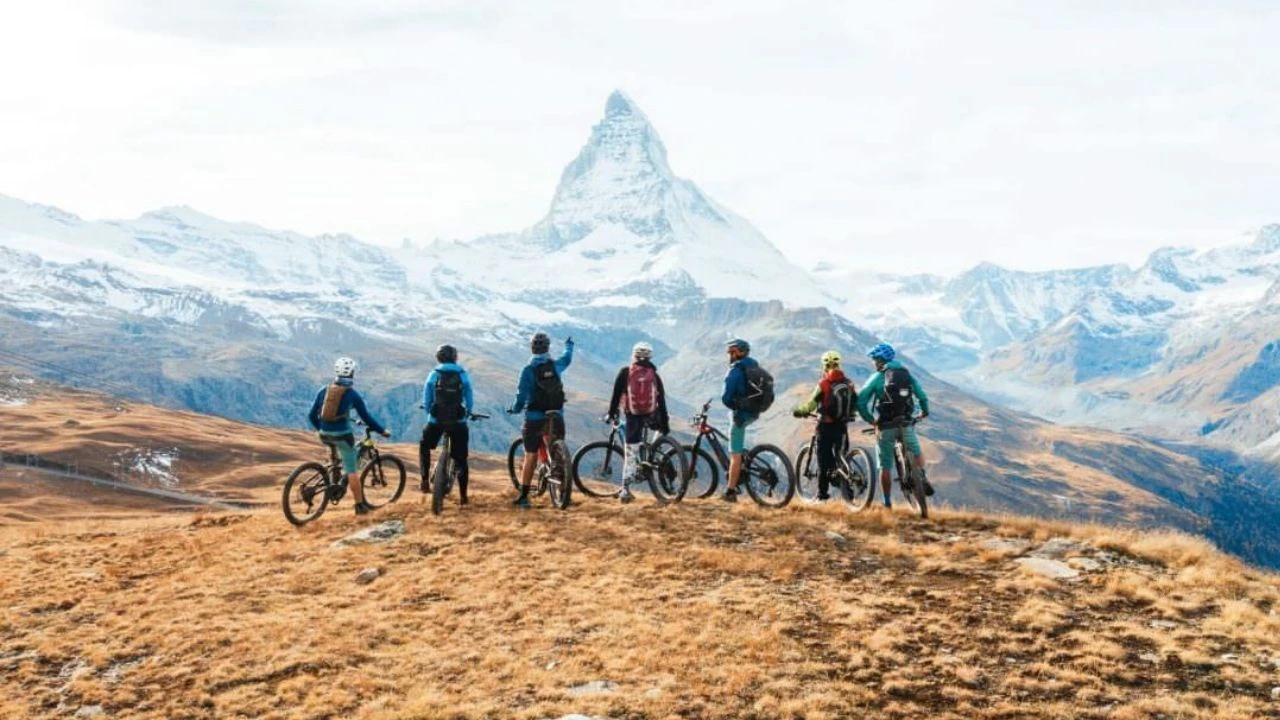
If your group rides full-power systems in higher modes, that sets the pace.
If they ride lighter systems more conservatively, that changes the feel of the day entirely.
Battery size and assistance mode influence group speed just as much as torque does.
Two riders on similar bikes with similar torque figures can have very different ride experiences simply because:
• One is running a larger battery
• One is happy sitting in higher modes
• The other is managing range
That difference can dictate how fast climbs feel and how long the day lasts.
Matching your system to your riding group often matters more than chasing the biggest torque number.
3. Your Riding Style and Cadence
Some riders naturally spin quickly in lower gears.
Others prefer pushing a bigger gear at lower cadence.
Certain motors reward higher cadence to unlock peak output.
Others maintain strong assistance even when you’re turning the pedals more slowly.
Understanding how you naturally pedal can influence ride feel more than a small torque difference on paper.
4. The Bike Itself
This is one of the most important factors and often the most overlooked.
1. Frame geometry
2. Suspension kinematics
3. Wheel size
4. Tyres
5. Overall weight distribution
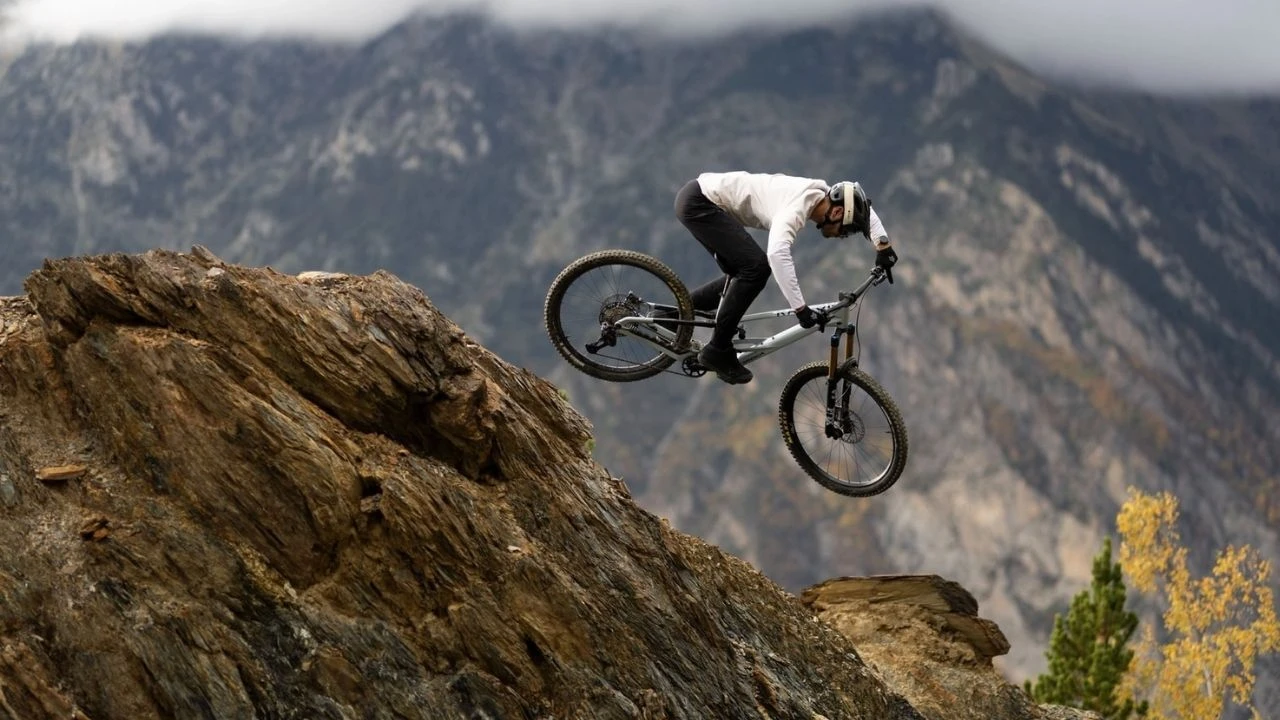
These shape confidence and control far more than marginal motor differences.
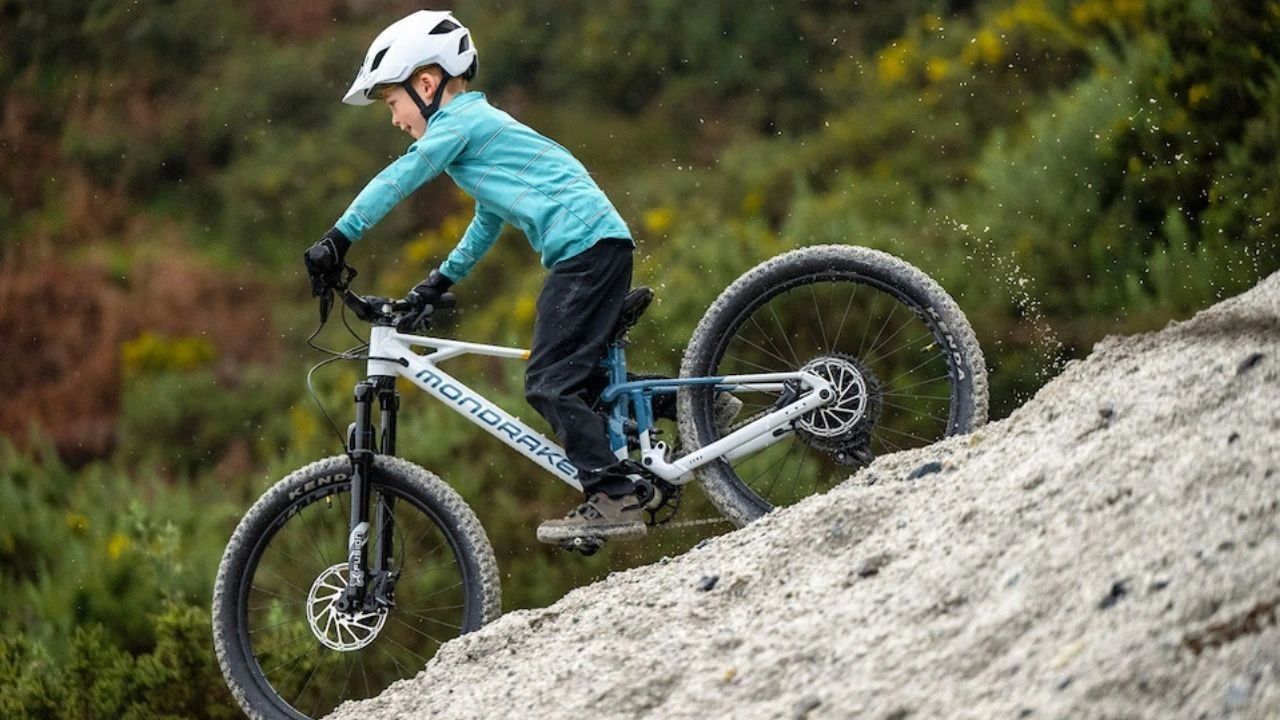
For gravity-oriented riders who session downhill or enduro tracks, the motor is simply a shuttle tool.
The real question becomes:
How does the bike behave descending?
In those situations, suspension quality and geometry will affect your experience far more than an extra 10 Nm of torque.
5. Battery Options (and Group Dynamics) Matter More Than People Realise
Battery size isn’t just about range.
It affects:
• Overall bike weight
• Handling and balance
• How freely you use higher assistance modes
• How late-ride fatigue feels
• How your ride compares to your group
Here’s a simplified overview of common 2026 adult EMTB battery configurations:
Typical Internal Battery Options (2026)
| Motor System | Common Internal Battery Sizes |
|---|---|
| Bosch Smart System | 600 Wh / 750 Wh / 800 Wh |
| Shimano EP801 / EP6 | 504 Wh / 630 Wh / 720 Wh |
| Avinox | 600 Wh / 800 Wh |
| TQ HPR60 | 290 Wh / 360 Wh / 580 Wh |
| Mahle X20 | 236 Wh / 350 Wh |
Optional Range Extenders
| System | Range Extender Option |
|---|---|
| Bosch | PowerMore 250 Wh |
| Shimano (select models) | 360 Wh add-on (model dependent) |
| TQ | 160 Wh bottle-style extender |
| Mahle X20 | 171 Wh bottle-style extender |
| Avinox | Internal battery focused |
If you and a friend are riding similar bikes and terrain, but they’re running a significantly larger battery, they have more freedom to:
• Sit in higher assistance modes
• Climb at a faster average pace
• Use Boost more often
• Ride longer without worrying about range
Even if both bikes have similar torque, the rider with the larger battery can afford to ride harder for longer.
That changes the dynamic of the ride.
For adult riders, battery size often shapes pace more than torque does.
For junior riders, battery weight becomes even more important.
Lower rider weight means less torque is required.
But adding battery weight can noticeably affect handling and confidence.
In junior EMTBs, a lighter, well-balanced setup is often more beneficial than maximum capacity.
6. Technology and Control Preferences
In 2026, an EMTB isn’t just mechanical, it’s digital.
Ask yourself:
Do you want a clean, minimal cockpit?
Or a fully integrated tech experience?
Different systems offer different levels of:
• App-based tuning
• Garmin compatibility
• GPS navigation
• Ride data customisation
• Wireless controllers
• Integrated displays
• Compatibility with wider ecosystems, such as DJI action cameras
Some riders want simplicity and focus.
Others enjoy data, integration and customisation.
That preference influences long-term satisfaction more than most spec-sheet comparisons.
7. Adult vs Junior Priorities
For adult performance riders:
• Terrain type
• Climbing authority
• Battery size
• Ride character
• Ecosystem and tech
All matter.
For junior riders, the priorities shift:
• Weight matters more
• Manageability matters more
• Confidence matters more
Children don’t need extreme torque to climb effectively.
They benefit more from a balanced system that feels natural and predictable.
In many junior EMTBs, lower output paired with lighter weight creates a better overall riding experience than chasing peak numbers.
So What Actually Matters More Than Torque?
Torque is important.
It tells you how much assistance a motor can provide.
But in 2026, most premium systems are already strong enough for real-world riding.
What usually matters more is:
• Matching the motor character to your terrain
• Matching battery size to your ride length
• Matching your system to your riding group
• Choosing the right frame and suspension platform
• Deciding how much technology integration you want
• Being honest about whether climbing power or descending performance matters most to you
The best motor isn’t the one with the biggest number.
It’s the one that fits your riding reality, whether that’s a full-power adult enduro machine or a well-balanced junior EMTB built for progression and confidence.
FAQs: EMTB Motor Decisions: What Matters More Than Torque?
Why is geometry more important than motor power?
Does battery weight affect the bike's handling?
How does cadence affect battery range?
Should I choose a bike based on the brand of the motor?
Are bigger batteries always better?
What is a "Range Extender"?
Does rider weight impact the motor's performance?
How do tyres affect EMTB range?
Can I tune my motor to be more efficient?
Is an integrated display better than a handlebar one?
Posted by Paul Hoyle on 29th Apr 2026
Need any further help in choosing your next bike? Drop us a line on 01254 959345, or alternatively fill out the form below. We'd be glad to help.