If you’re shopping for an adult or junior EMTB in 2026, here’s the honest reality:
Most modern motor systems are genuinely good.
The real difference isn’t just torque.
It’s how the bike behaves when the trail gets awkward.
Because real riding isn’t about cruising at 25 km/h on a smooth fire road.
It’s about:
• Slow technical climbs
• Loose roots and rock steps
• Tight switchbacks
• Managing traction when you’re tired
• How predictable the power feels when cadence drops
This isn’t “which motor has the biggest number.”
It’s which motor feels right for how you actually ride and who you ride with.

Torque Matters: But It’s Not the Whole Story
Torque, measured in Nm, is a useful marker. It tells you how much assistance a motor can deliver while you’re pedalling.
But it doesn’t tell you:
• How quickly power ramps in
• Whether delivery feels calm or aggressive
• How controlled it is on slippery climbs
• How it behaves at low cadence
• How balanced the overall bike feels
Two motors with similar torque figures can feel completely different on trail.
That’s where ride character and real-world context come in.
The Stuff That Often Matters More Than a 10 Nm Difference
By 2026, most adult performance systems sit within a strong output bracket. A small torque gap rarely transforms the riding experience.
What often shapes your day far more is:
Who You Ride With
If your group rides full-power systems in higher modes, that sets the pace.
If they’re on lightweight systems riding conservatively, that changes everything.
What Battery and Mode They Use
A rider on an 800 Wh battery sitting in higher assistance climbs very differently to someone managing range on a smaller pack.
Motor output is only part of the picture. Usage habits matter just as much.
Your Fitness and Cadence Style
Some riders naturally spin quickly. Others prefer pushing a bigger gear at lower cadence.
Certain motors reward higher cadence. Others maintain strong output at lower cadence.
That preference can matter more than 10 Nm on paper.
The Bike Itself
Geometry, suspension quality, tyre choice and frame design often influence trail confidence more than a marginal torque increase.
A well-suited chassis will usually outperform a slightly stronger motor on a bike that doesn’t suit your riding style.
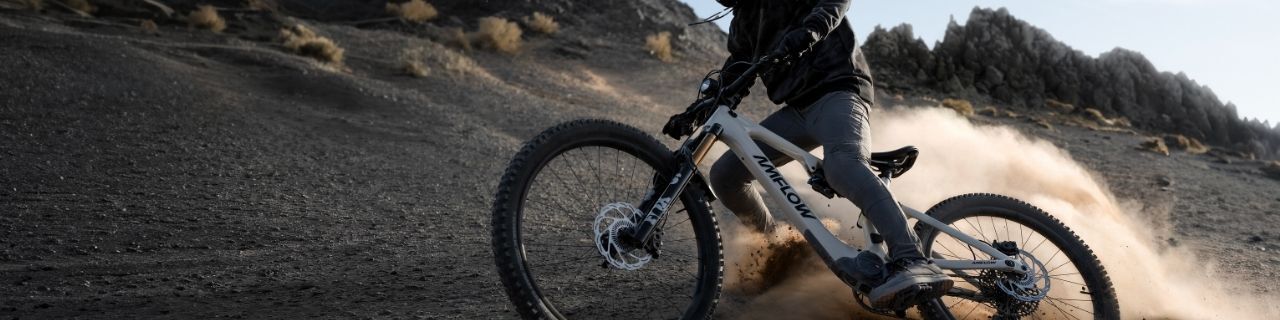
How the Main Systems Feel on Real Trails
Avinox: Maximum Climbing Authority
The Avinox currently delivers the strongest assistance feel in the legal EMTB category.
Trail feel:
Immediate. Assertive. Powerful.
It responds quickly and maintains sustained output on steep gradients. On steady climbs, it can comfortably hold pace just below the 25 km/h assistance limit with relatively modest rider effort.
Recent UK uphill comparison tests have shown it consistently leading drag-style climbs.
Best suited for adult riders who:
• Ride steep terrain
• Prefer strong low-cadence support
• Want maximum assistance headroom
• Like having power in reserve
You don’t have to use all the output. Assistance can be tuned down. But it offers the broadest power ceiling currently available in a legal system.
For outright adult climbing performance, it sits at the top of the bracket.
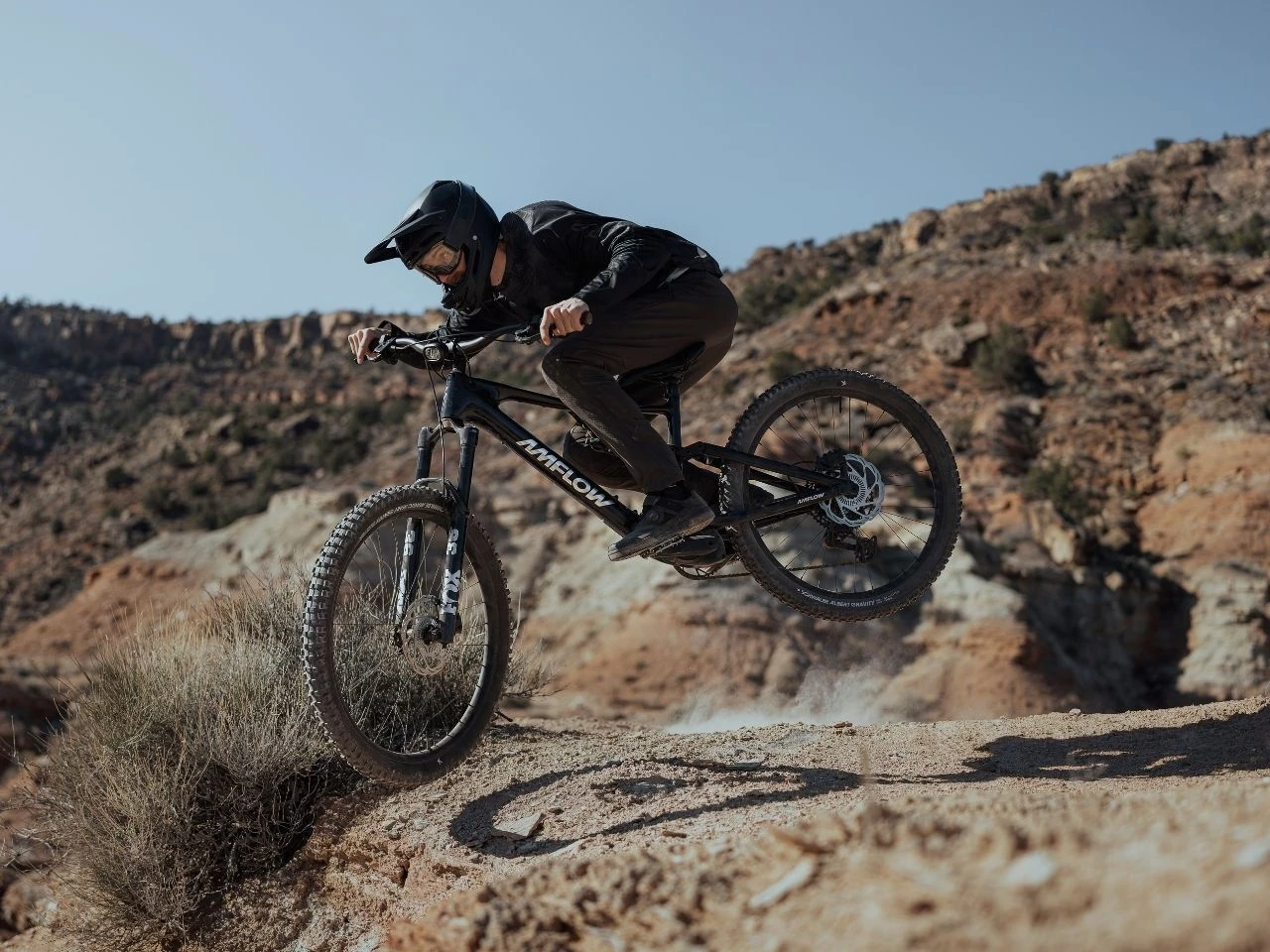
Bosch CX Gen 5: The Refined All-Rounder
The Bosch Performance Line CX Gen 5 remains one of the most balanced systems available.
Trail feel:
Strong. Predictable. Controlled.
With 100 Nm, it delivers punchy support, especially useful for riders who prefer pushing bigger gears rather than spinning at very high cadence.
It doesn’t feel wild. It feels composed.
Best suited for adult riders who:
• Want one bike for everything
• Ride mixed trail and enduro terrain
• Value refinement and ecosystem integration
It’s the motor most riders can jump on and ride confidently from day one.
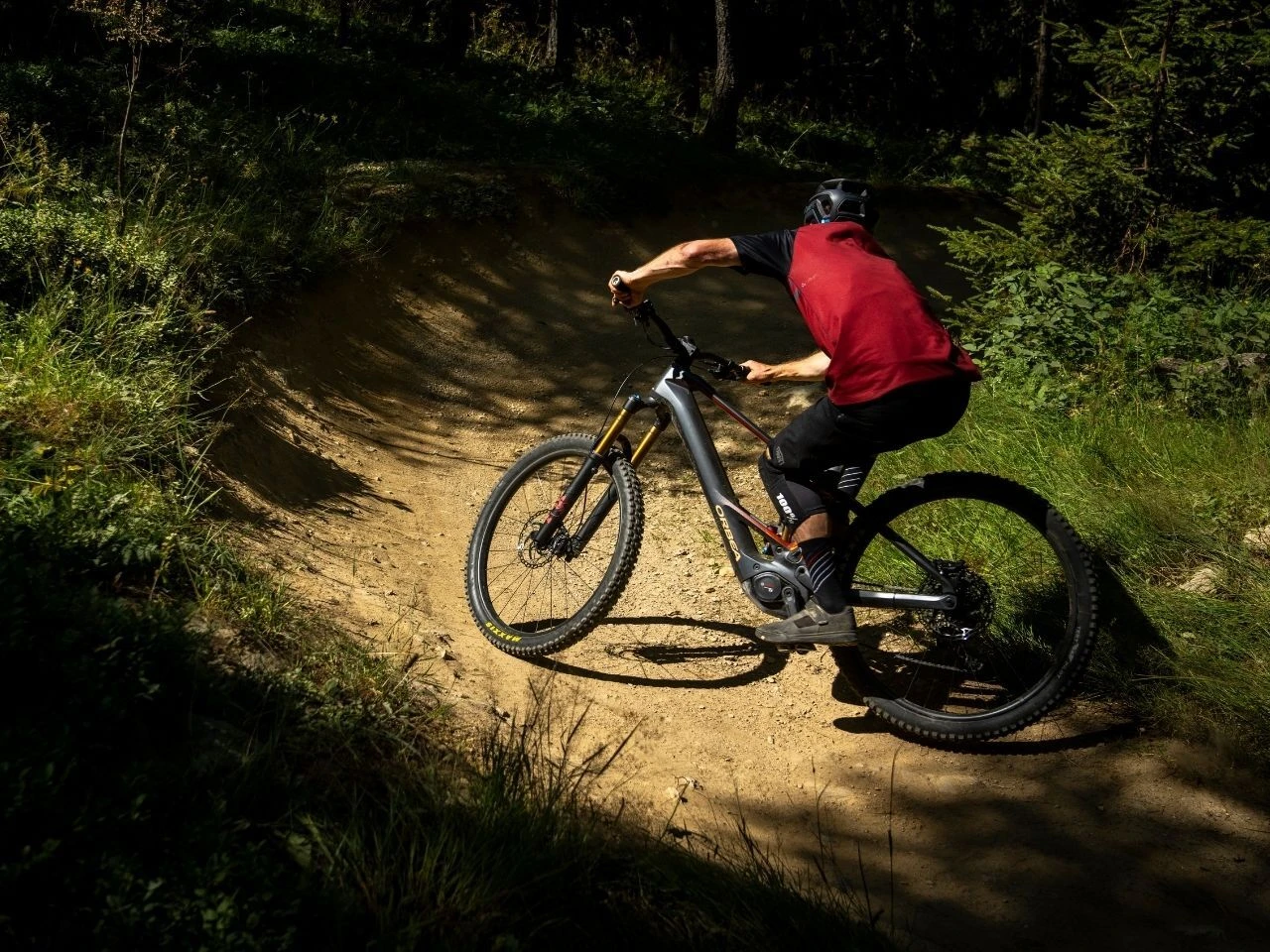
Shimano EP801: Controlled and “Bike-Like”
The Shimano EP801 is known for its natural character.
Trail feel:
Smooth. Linear. Predictable.
Power builds progressively, making it easy to manage traction on technical climbs.
With Di2 integration, features like Free Shift and Auto Shift can genuinely change how rolling terrain is handled.
Best suited for adult riders who:
• Value traction and control
• Prefer a calmer power curve
• Like tuning assist behaviour
• Appreciate shifting integration
It’s often described as one of the most analogue-feeling full-power systems.
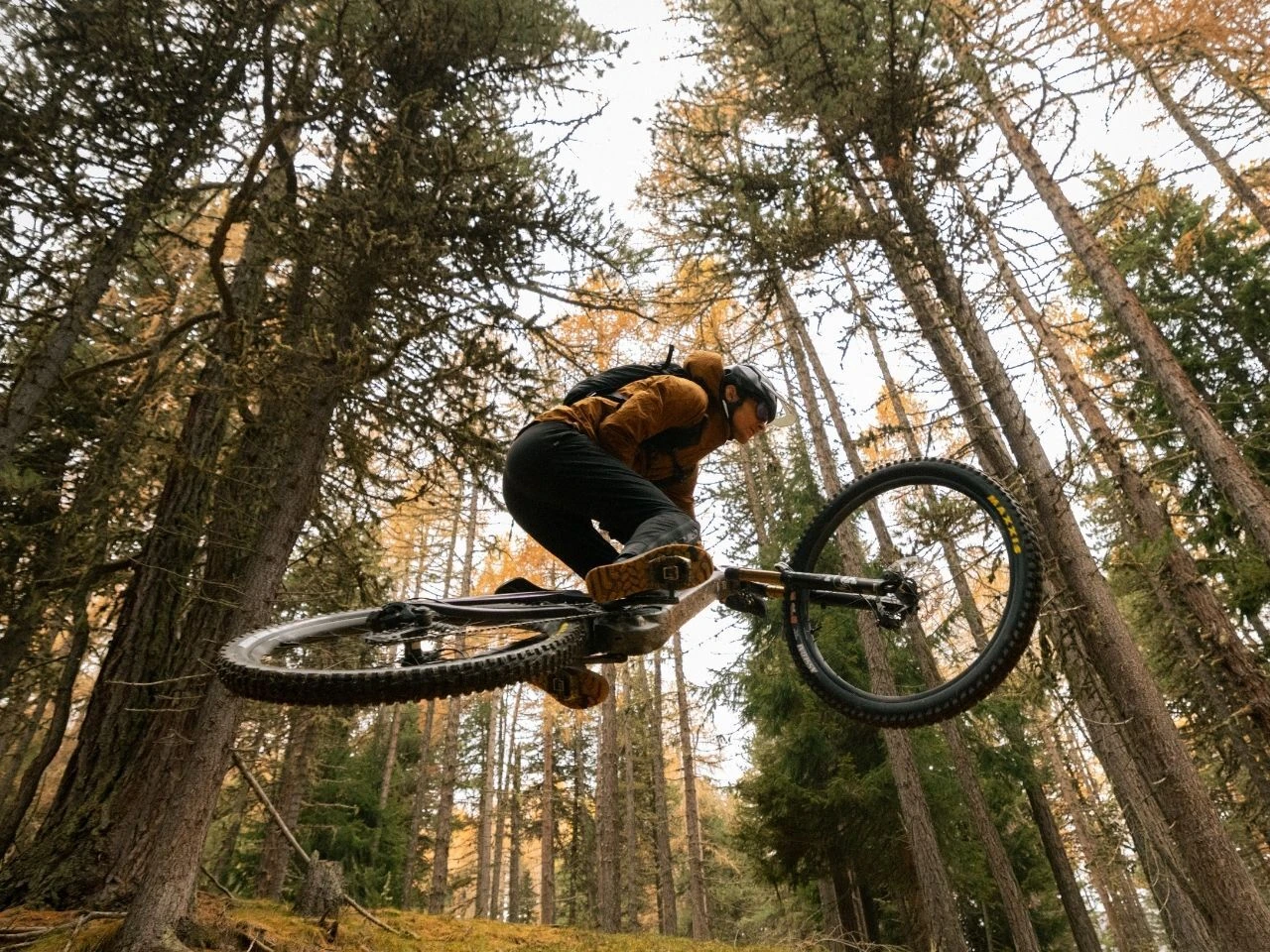
TQ HPR60: Stealth and Lightness
The TQ HPR60 focuses on minimal intrusion.
Trail feel:
Quiet. Subtle. Lightweight.
It doesn’t overwhelm. It amplifies.
Handling feels closer to a traditional mountain bike, and motor noise is minimal.
Best suited for adult riders who:
• Prioritise handling over brute force
• Ride technical trails where balance matters
• Want the least e-bike feel possible
It doesn’t compete on peak torque numbers, but it excels in ride subtlety and balance.
A Note on Hub Systems and Junior EMTBs
Most high-end adult EMTBs use mid-drive motors because they:
• Drive through the bike’s gears
• Multiply torque effectively at low speeds
• Perform better on steep technical climbs
Hub systems, like the Mahle X-series, drive the rear wheel directly.
For adult steep, slow technical terrain, mid-drives remain dominant.
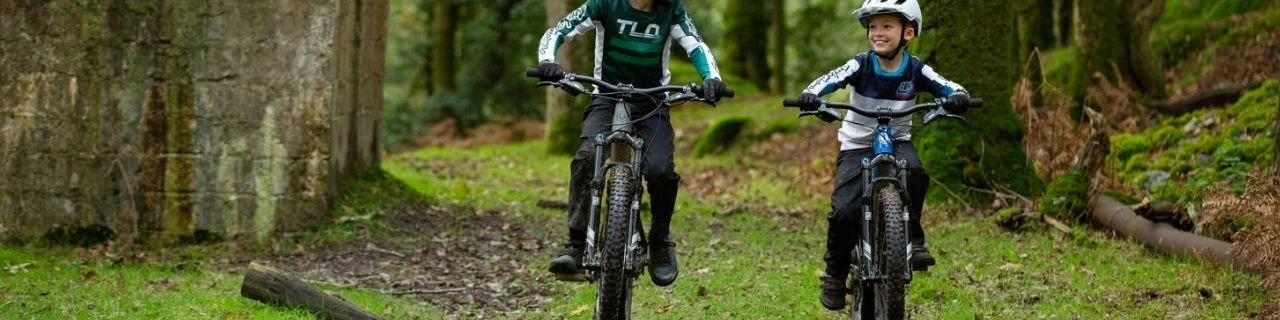
But for junior EMTBs, priorities shift:
• Overall bike weight matters more
• Rider body weight is lower
• Required torque is lower
• Handling and confidence are critical
In that context, a lighter hub system can often be the right engineering choice.
For children, balance and manageability typically matter more than maximum output.
When Gravity Takes Over
And when gravity takes over, it’s the bike itself that truly shapes the ride.
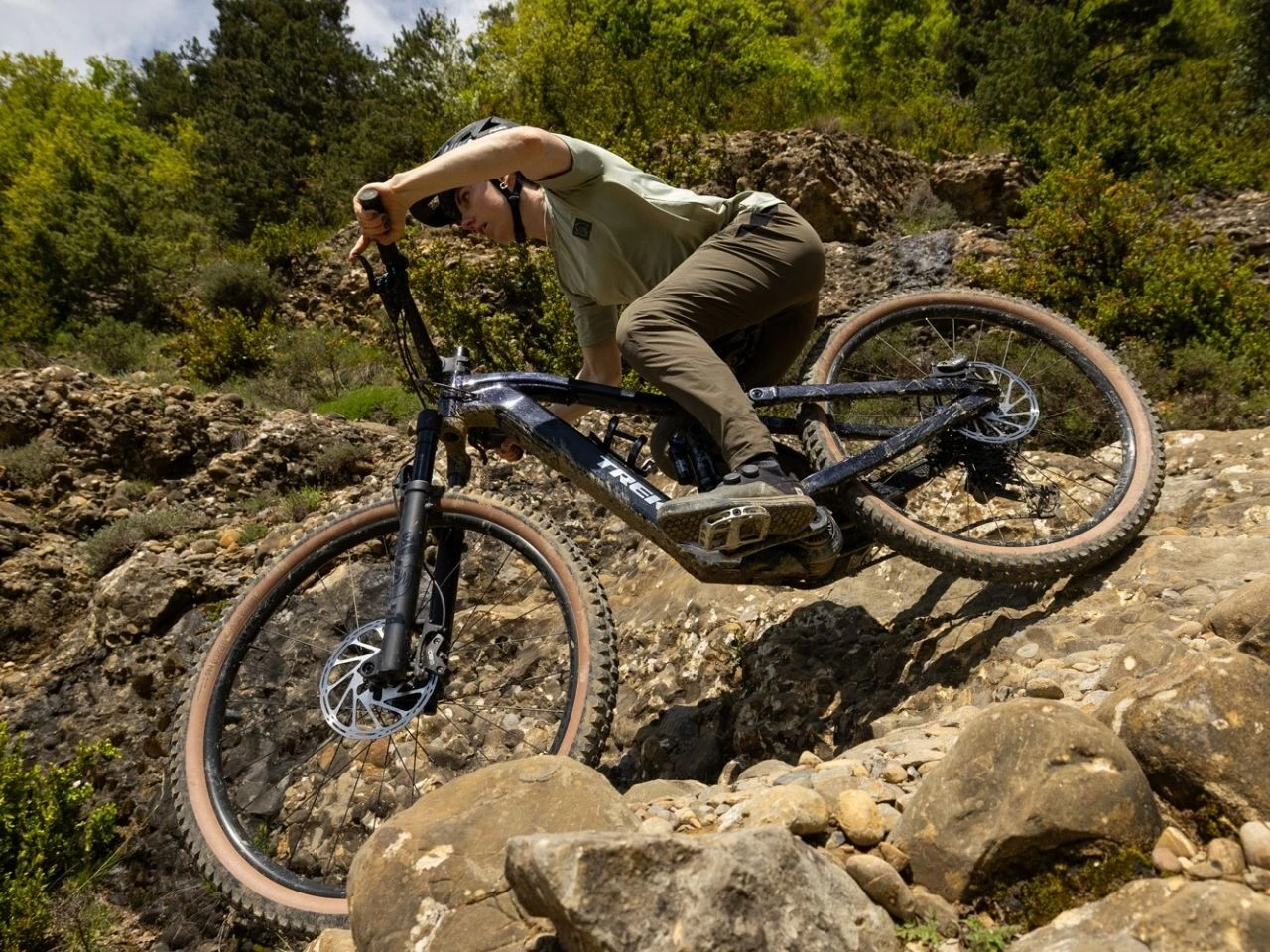
If you’re a gravity-oriented rider, sessioning enduro tracks, singletrack descents or hillside lines, the motor rarely defines the bike’s capability once you’re pointing downhill.
On descents, the motor makes very little difference beyond helping you restart momentum after slowing down.
For some riders, the motor and battery exist purely to shuttle them back to the top and what truly matters is how the bike handles on the way down.
For others, the motor and battery simply enable more downhill laps and the real priority becomes how the chassis performs when attacking gravity-focused terrain.
That means:
• Geometry
• Suspension travel and kinematics
• Tyre choice
• Frame stiffness
• Overall weight distribution
Often matter far more than a small difference in torque.
So Which Feels Best?
There isn’t a universal winner.
For adult performance riding:
• Maximum climbing authority → Avinox
• Most complete all-round feel → Bosch CX Gen 5
• Most controlled full-power feel → Shimano EP801
• Lightest and quietest mid-drive experience → TQ HPR60
For junior riders:
• Lower torque and lighter systems often create a better-balanced bike
• Manageability and confidence usually matter more than outright power
Final Perspective
Modern motors are strong enough that small torque differences rarely define the ride.
What usually matters more is:
• Matching motor character to your terrain
• Matching battery size to your ride length
• Matching system output to your riding group
• Choosing the right frame, geometry and suspension platform
The best motor isn’t the one with the biggest number.
It’s the one that makes your local trails more enjoyable, whether that’s a full-power adult enduro machine or a balanced junior e-MTB built for confidence, progression and fun.
FAQs: EMTB Motor Differentiation in 2026: Where Each System Excels
Why do some motors feel "jerky" on technical climbs?
Which motor is best for technical "trials-style" climbing?
Does motor noise matter?
Can I ride a full-power bike with friends on "analogue" bikes?
Does a heavier motor make the bike harder to jump?
Which motor has the best "Overrun"?
Is "Trail" mode better than "Turbo"?
Do all motors feel the same when they cut out at 15.5mph?
Which motor is best for heavy riders?
Is the motor the most important part of the bike?
Posted by Paul Hoyle on 29th Apr 2026