When riders talk about TQ-powered bikes, one phrase comes up repeatedly:
“I barely knew it was there.”
That sums up TQ’s philosophy.
While some motor systems focus on maximum torque and aggressive punch, TQ focuses on compact design, near-silent operation and a ride feel that closely mirrors a traditional mountain bike.
In 2026, the TQ EMTB range centres on two motors: the HPR50 and the updated HPR60. They share the same design DNA, but the HPR60 adds extra torque and improved thermal capacity for more demanding trail use.
This guide explains how they differ, and what that means on the trail.
TQ’s Philosophy: Assist, Not Overpower
TQ does not compete in the headline torque category.
Instead, the focus is:
• Compact packaging
• Minimal motor noise
• Low system weight
• Natural-feeling assistance
On the trail, that translates to:
• No obvious motor vibration under load
• No sudden torque spike at low cadence
• Smooth, organic support that blends with pedalling
Many riders describe it as feeling like an excellent fitness day rather than being propelled by a machine.
TQ HPR50 vs HPR60 (2026): At a Glance
| Motor | Torque | Peak Power | Motor Weight | Best Suited For |
|---|---|---|---|---|
| HPR50 | 50 Nm | 300 W | ~1.85 kg | Lightweight trail & XC |
| HPR60 | 60 Nm | 350 W | ~1.92 kg | More aggressive trail riding |
All figures are approximate and can vary slightly depending on frame integration and spec.
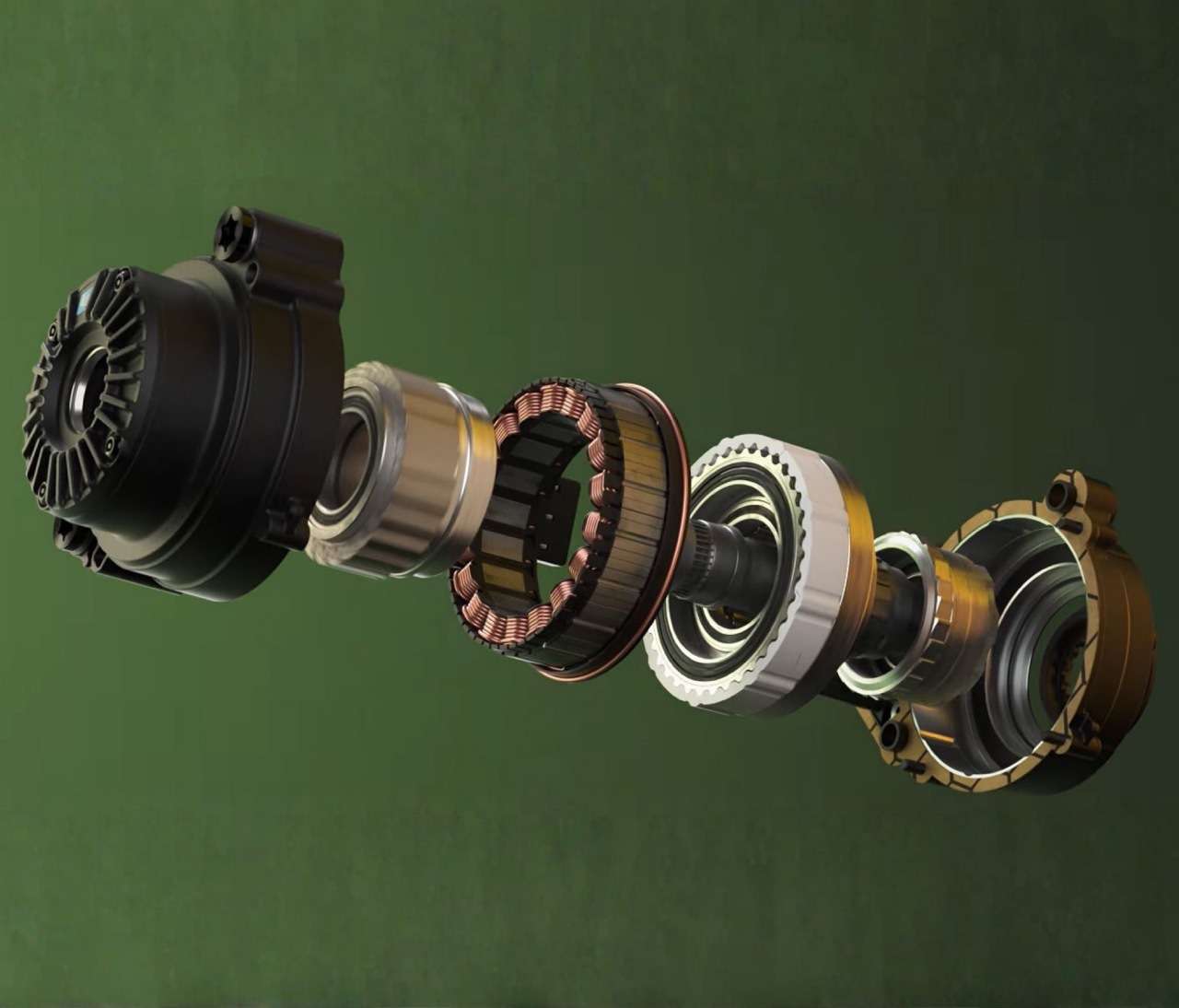
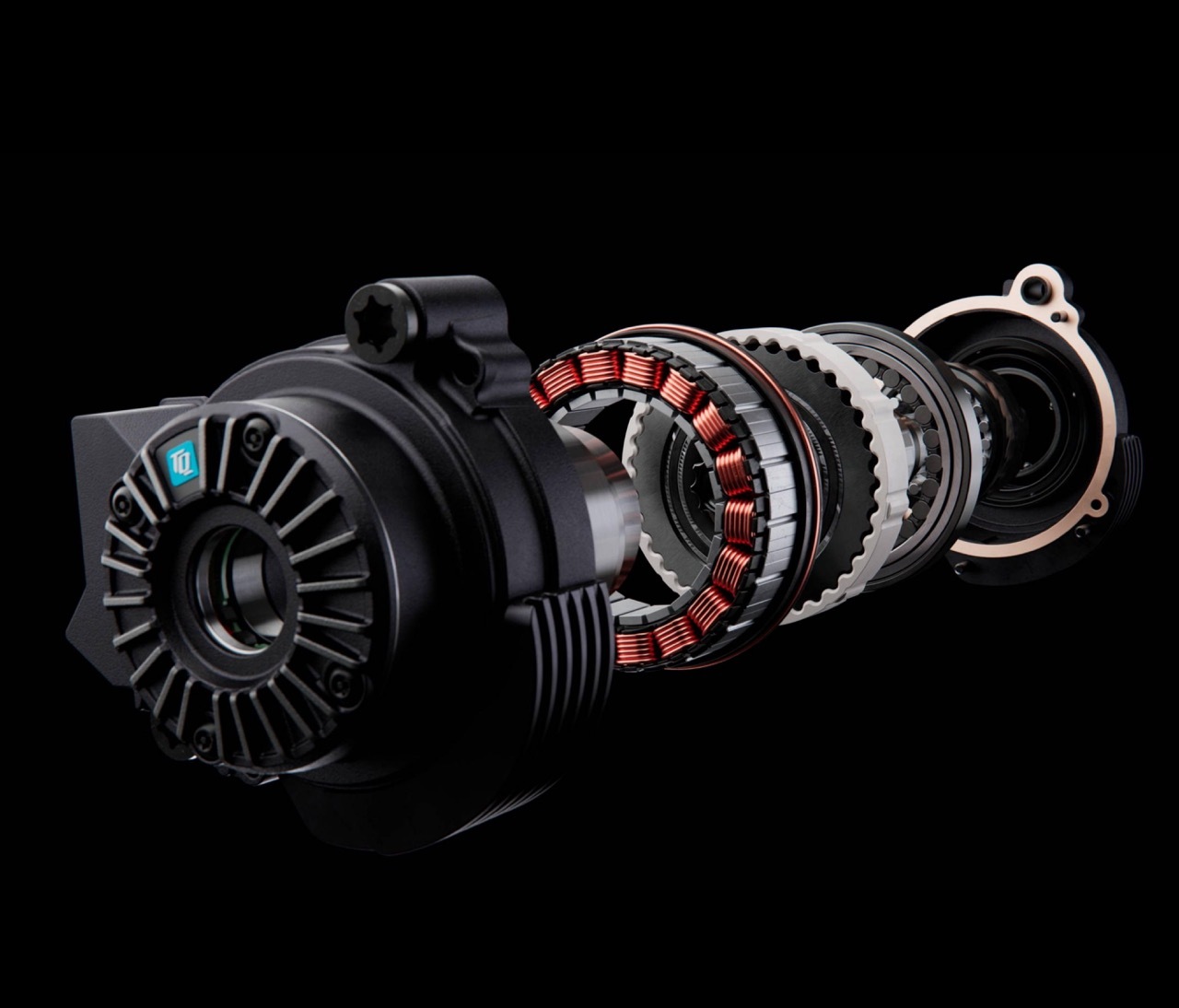
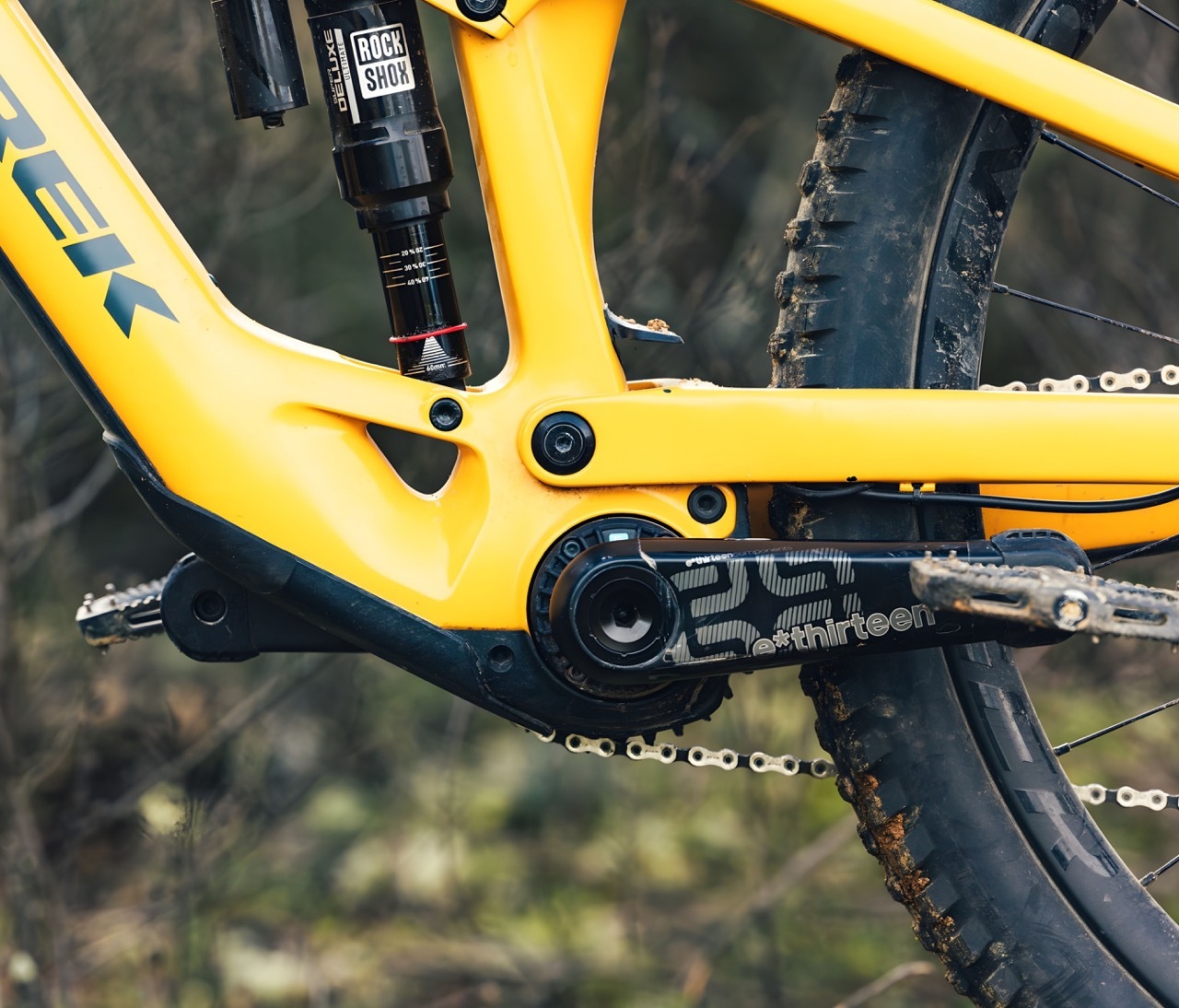
Both motors use TQ’s harmonic pin ring transmission, which allows a very compact motor unit compared to traditional mid-drive systems.
HPR50: Subtle and Stealth-Focused
The TQ HPR50 delivers 50 Nm of torque and prioritises smoothness over force.
On the trail, it feels:
• Extremely quiet under load
• Very low in vibration
• Predictable and steady
It does not deliver strong low-cadence punch. Instead, it rewards steady pedalling and flow.
For riders prioritising handling and balance, the low system weight makes a noticeable difference, particularly on technical terrain where agility matters.
HPR60: More Torque, Same Character
The TQ HPR60 increases torque to 60 Nm and peak power to around 350 W.
The additional torque provides:
• More confidence on sustained climbs
• Better support for heavier riders
• Extra headroom on steeper terrain
Importantly, it maintains the same quiet and compact character as the HPR50.
The difference is not dramatic in feel, it is incremental and purposeful.
For riders who liked the HPR50’s stealth but wanted more climbing reserve, the HPR60 addresses that gap.
Batteries: Range vs Weight
TQ systems are often paired with purpose-built batteries designed to maintain low overall system weight.
Common configurations include:
290–360 Wh Internal
• Lightweight trail builds
• Nimble, agile ride feel
• Suitable for typical UK trail loops
580 Wh Internal
• Longer days or bigger terrain
• Adds range without dramatically altering balance
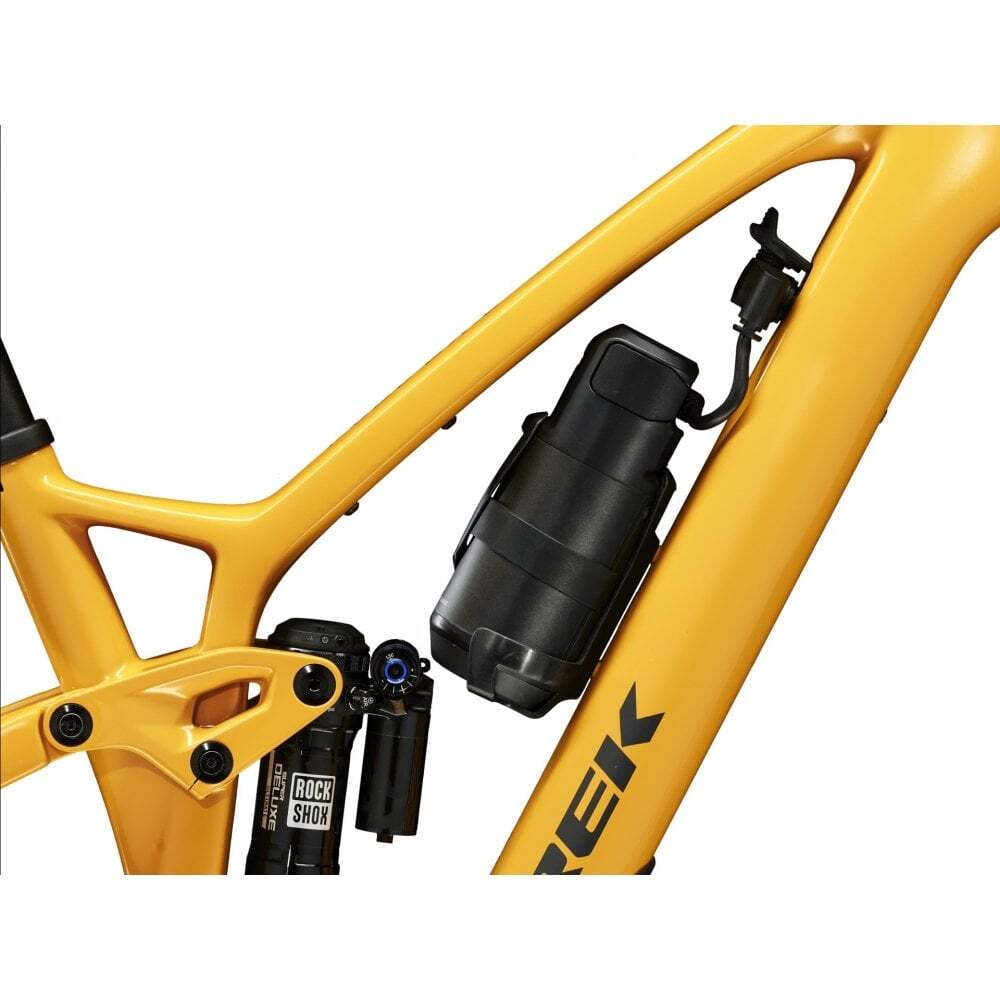
160 Wh Range Extender
• Bottle-mounted option
• Useful for extending moderate rides
• Not intended as a primary high-output solution
Because the motor itself is compact and light, the overall system weight remains noticeably lower than many full-power EMTBs.
How TQ Feels Compared to Full-Power Systems
With 50–60 Nm of torque, TQ sits in the lightweight category rather than the full-power 85–100 Nm range.
That means:
• Less low-cadence surge
• More reliance on rider input
• Stronger emphasis on natural pedalling rhythm
For riders coming from analogue bikes, this often feels intuitive.
For riders used to 100+ Nm systems, it can feel more subtle and effort-dependent.
Neither approach is better, it depends on terrain and preference.
Cockpit & User Interface
TQ’s interface reflects its philosophy.
Common features include:
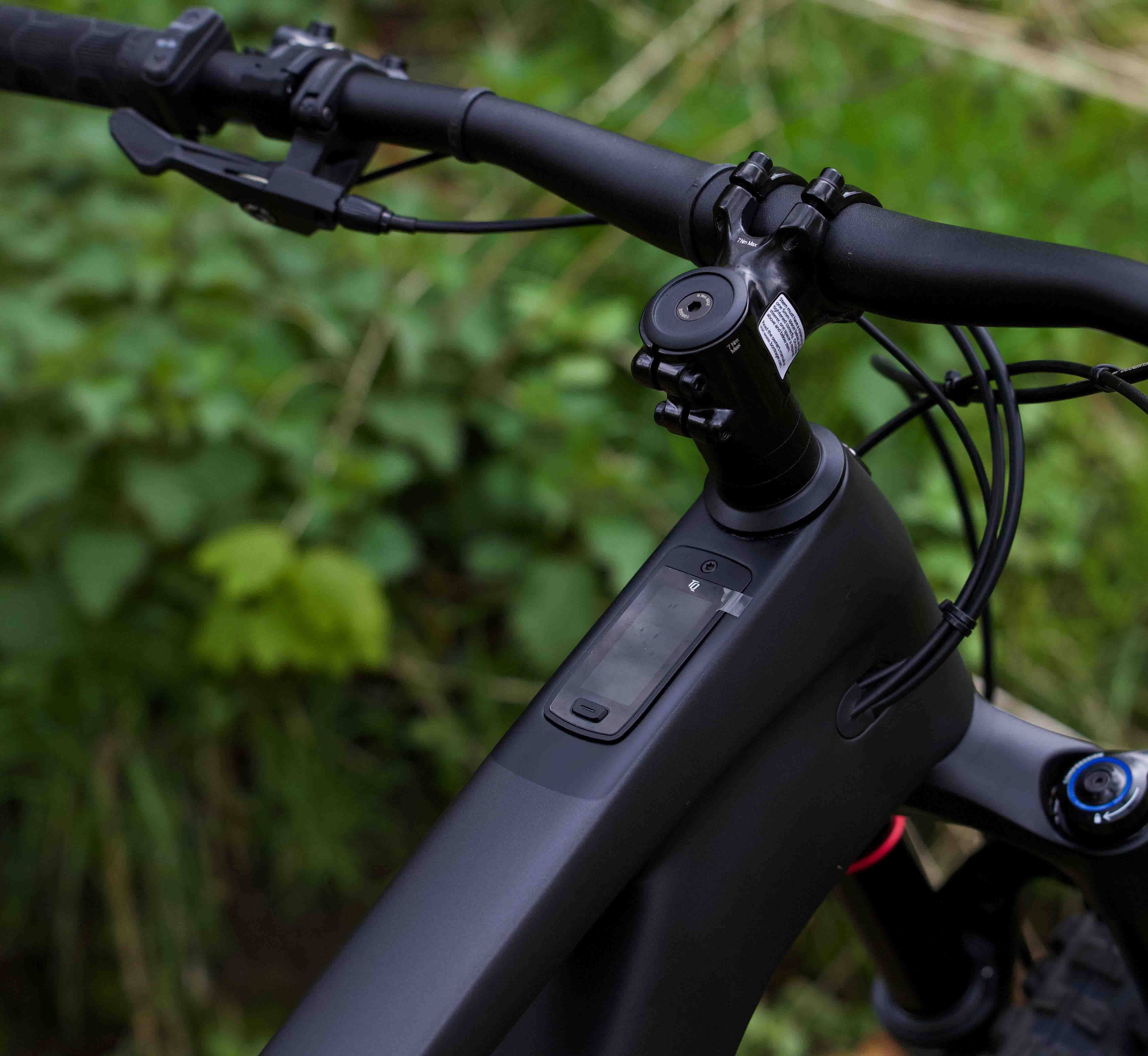
• Small top-tube OLED display
• Minimalist left-hand remote
• Clean cockpit layouts
The TQ app allows:
• Adjustment of maximum support
• Tuning of support curves
• Pedal response refinement
The goal is not to overwhelm the rider with data, but to keep the focus on riding.
Who Should Choose HPR50 or HPR60?
Choose HPR50 if:
• You want the quietest possible assist
• You prioritise agility and low weight
• You want assistance that feels almost invisible
Choose HPR60 if:
• You ride steeper or more sustained terrain
• You want extra torque headroom
• You prefer lightweight systems but need more climbing support
Final Thought: The Quiet Alternative
TQ does not compete on maximum torque figures.
Instead, it focuses on compact integration, minimal noise and a ride feel that closely echoes your own effort.
The move from HPR50 to HPR60 gives riders more flexibility: stay ultra-light and subtle, or add additional climbing support while maintaining that signature quiet character.
For riders who prioritise handling, balance and low motor presence, TQ remains one of the most distinctive options in the current EMTB market.
FAQs: How Electric Mountain Bike (EMTB) Motors work
What makes TQ different from Bosch or Shimano?
Is 50Nm of torque enough for mountain biking?
How much does the TQ HPR50 motor weigh?
Can I use a larger battery with the TQ system?
Does the TQ motor have any resistance when pedalling over 15.5mph?
Is the TQ HPR60 much stronger than the HPR50?
Why is the HPR60's cooling better?
Can I adjust TQ motor settings on my phone?
What happens if the TQ battery runs out?
Is the TQ display easy to read?

Posted by Paul Hoyle on 20th Apr 2026