If you’ve been researching electric mountain bikes, you’ll have seen plenty of torque figures, battery sizes and system names being discussed.
It can quickly start to feel more technical than it needs to be.
Underneath all of that, an EMTB is still a mountain bike. The motor simply adds controlled assistance while you pedal. The goal isn’t to replace effort, it’s to extend it.
Understanding how the system works as a whole makes comparing bikes far easier, and helps you avoid focusing on just one number.
This guide explains how modern EMTB systems work in practical terms.
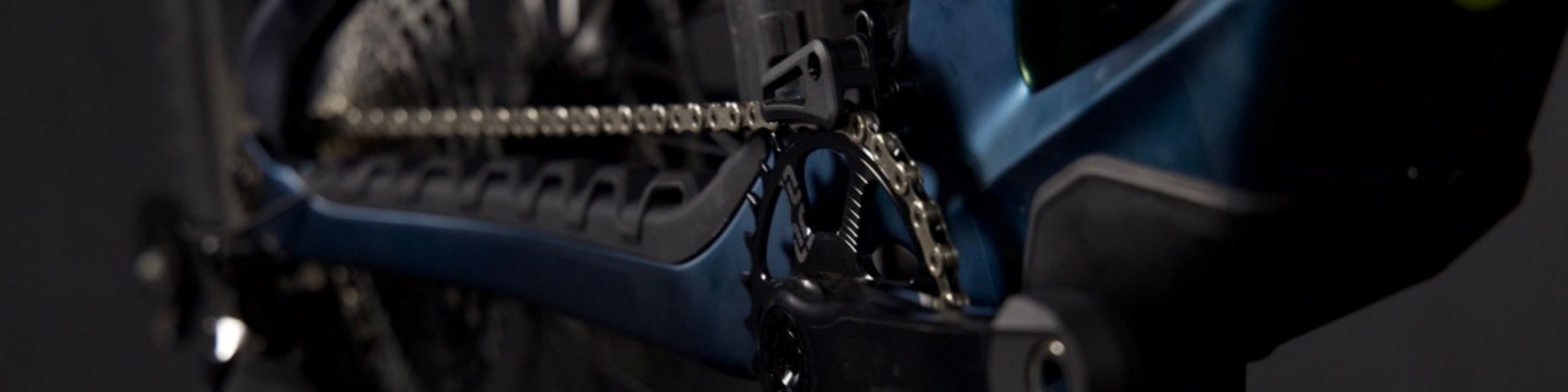
What an EMTB Motor Actually Does
An EMTB motor adds electrical assistance to your pedalling.
In the UK and across Europe, legal EMTBs:
• Only provide assistance while you are pedalling
• Cut assistance at 25 km/h
• Do not use a throttle
That means:
• You still control pace and effort
• The motor supports your input rather than replacing it
• The ride still feels like cycling
The difference is simply that climbs feel shorter and repeat laps feel more achievable.
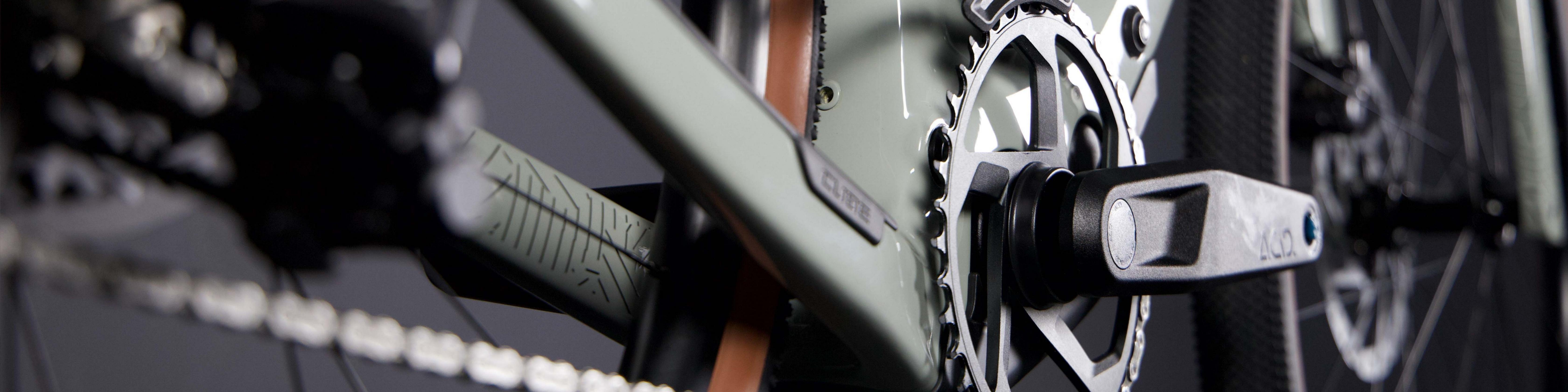
Mid-Drive vs Hub Motors. Why Placement Matters
There are two main ways a motor can power an e-bike: mid-drive or hub-drive.
Mid-Drive Motors
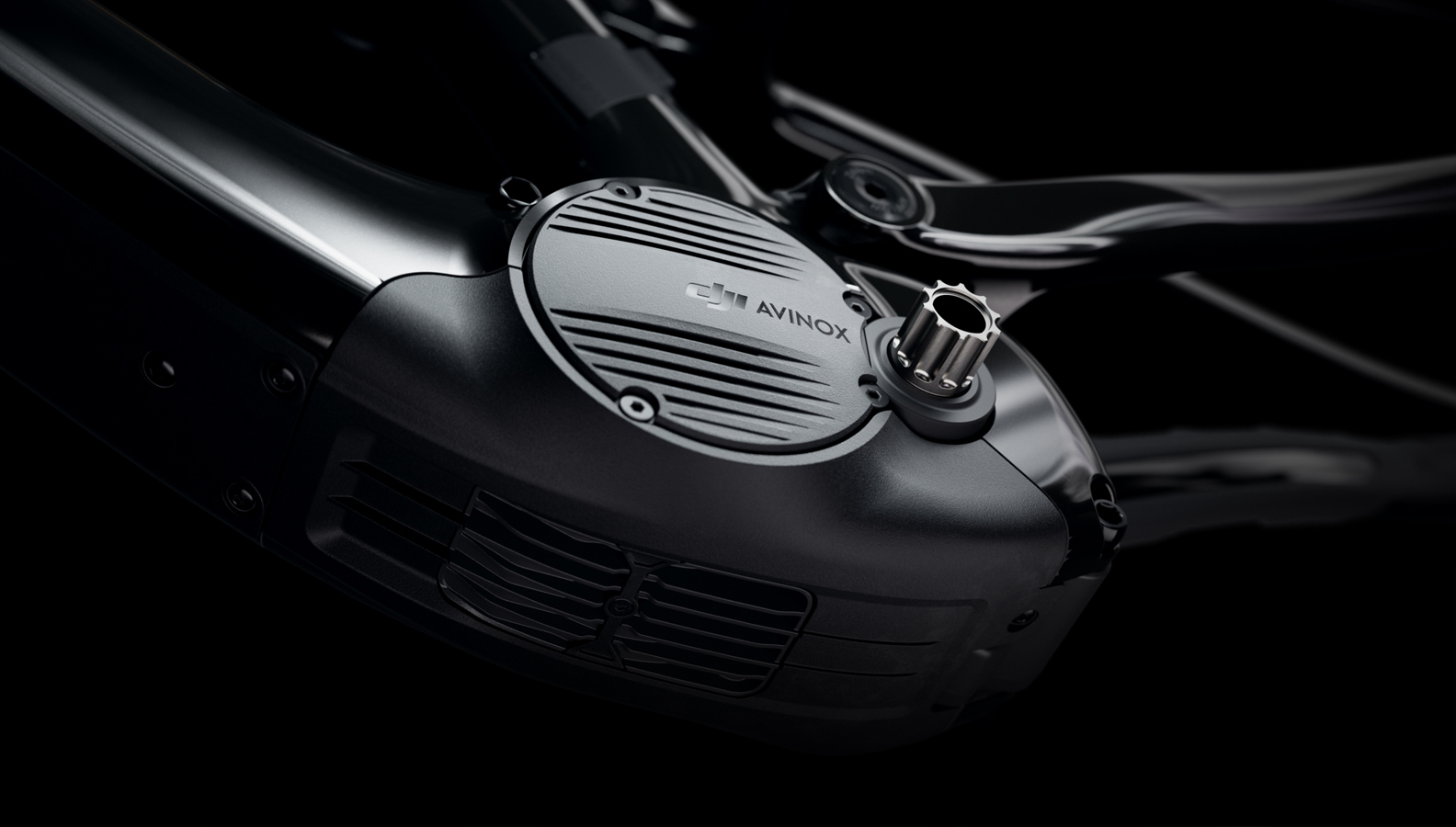
A mid-drive motor sits at the bottom bracket, where the cranks are located.
It:
• Adds power at the crank
• Sends that power through the chain
• Uses the bike’s gears
Because it works through the drivetrain, when you shift into an easier gear, the motor benefits too.
That mechanical advantage is why mid-drives dominate the adult performance EMTB market.
They:
• Deliver strong torque at low speed
• Climb steep, technical terrain effectively
• Keep weight low and central in the frame
For steep UK woodland climbs, rocky features and slow technical sections, this system simply works better.
That’s why almost all high-end adult trail and enduro EMTBs use mid-drive systems.
At MTB Monster, every adult performance EMTB we stock uses a mid-drive motor for this reason.
Hub Motors
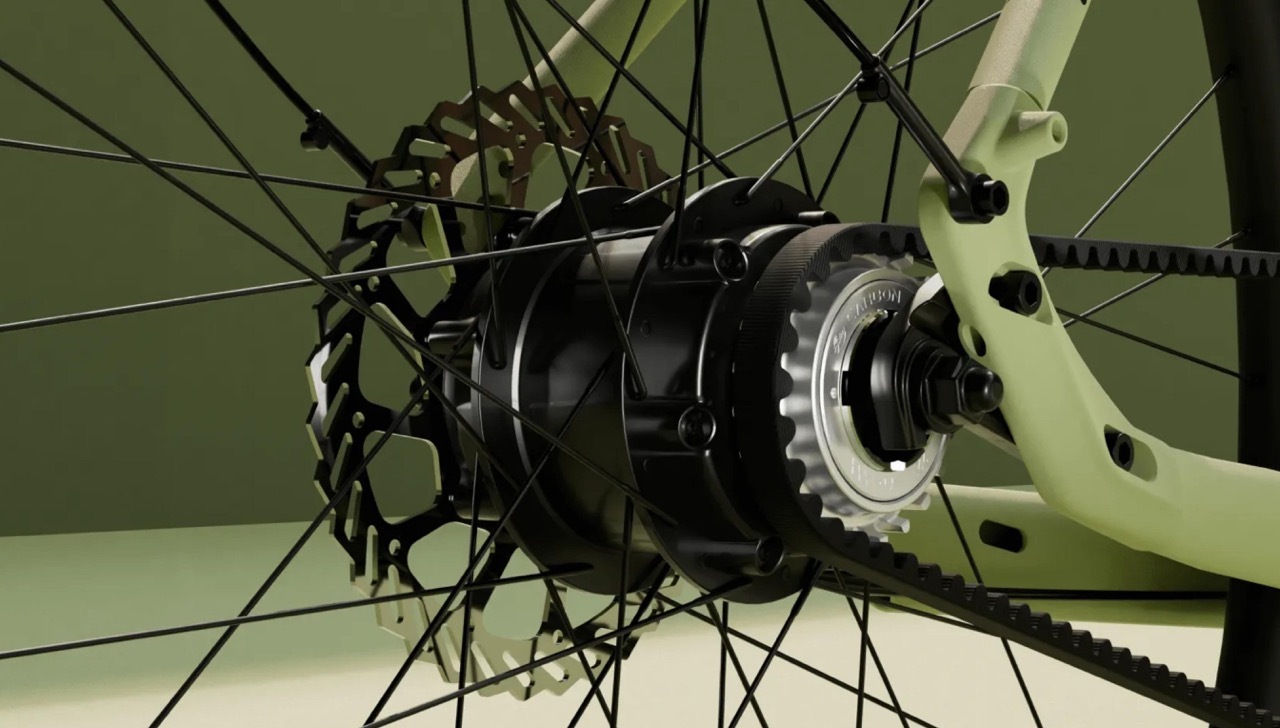
A hub motor sits inside the rear wheel and drives the wheel directly.
It:
• Does not use the bike’s gears
• Keeps the crank area slim
• Often results in lighter, cleaner-looking bikes
Hub motors are typically used where priorities are:
• Light weight
• Subtle assistance
• Simplicity
You’ll most often see them on road, urban and some junior e-MTBs.
Because hub systems don’t multiply torque through the gearing, they’re generally less suited to very steep, slow technical climbs but they can feel smooth and natural on steady terrain.
Both systems have their place. They’re built around different riding priorities.

Why Modern EMTBs Feel So Refined
Early EMTBs could feel abrupt or heavy because systems weren’t well integrated.
Modern bikes are smoother because everything communicates constantly:
• The motor
• Pedalling sensors
• The battery
• The display and controls
• The control software
The result is assistance that feels predictable rather than intrusive.
Sensors: How the Bike Knows What You’re Doing
Sensors are what make modern systems feel intuitive.
Most EMTBs use:
• Torque sensors (how hard you’re pushing)
• Cadence sensors (how fast you’re pedalling)
• Speed sensors (how fast the bike is moving)
These inputs are read many times per second.
That’s why a well-tuned system feels like your legs just got stronger — not like something is pushing you unexpectedly.
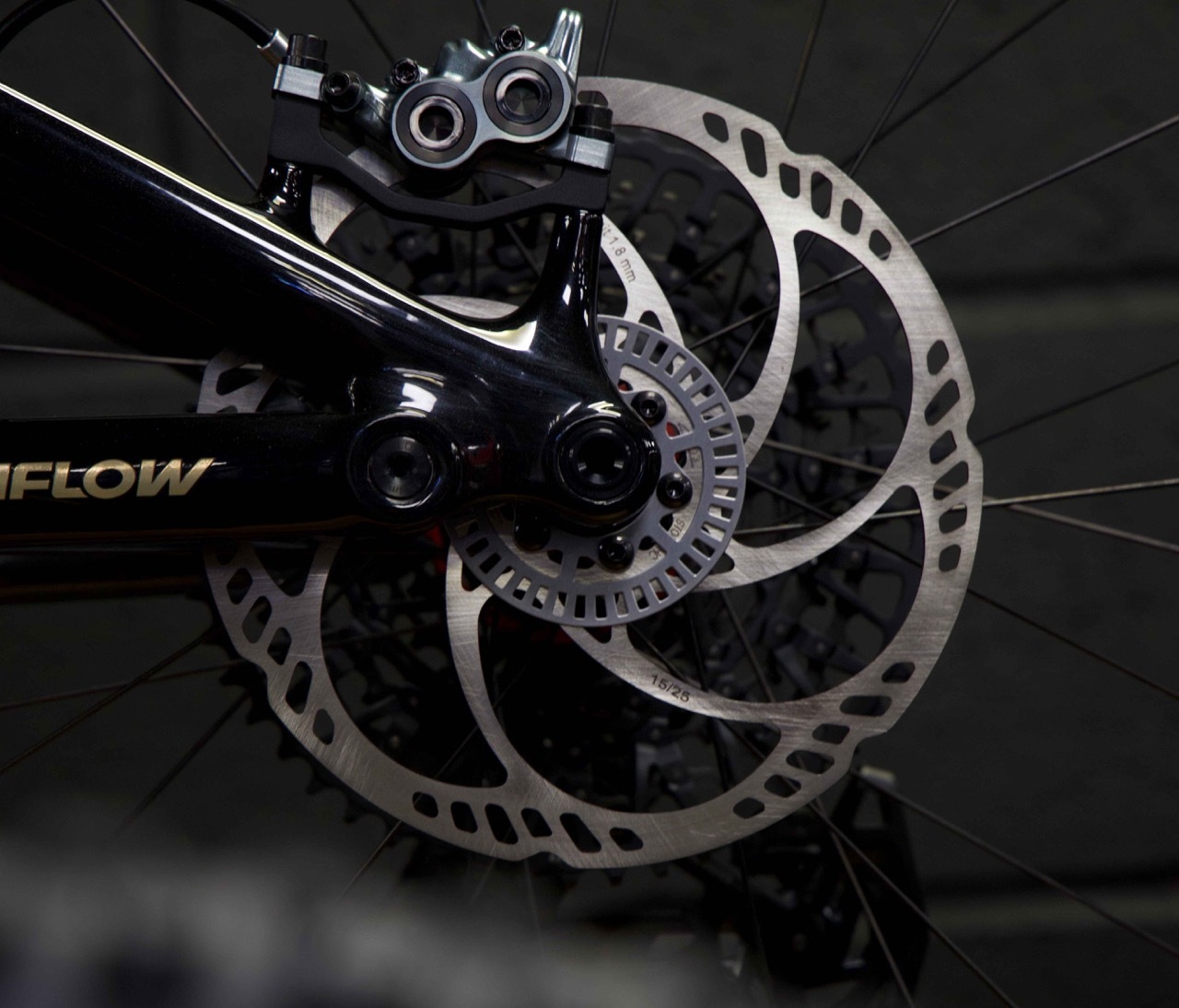
Batteries: Capacity vs Real Range
Battery size is measured in watt-hours (Wh).Bigger numbers mean more stored energy but range depends on more than capacity.Real-world range is affected by:
• Rider weight
• Terrain and gradient
• Assist mode selection
• Riding style
• Motor efficiency
A larger battery helps on big elevation days. A smaller battery keeps weight down for shorter rides. Some bikes also support range extenders, allowing you to add capacity only when needed.
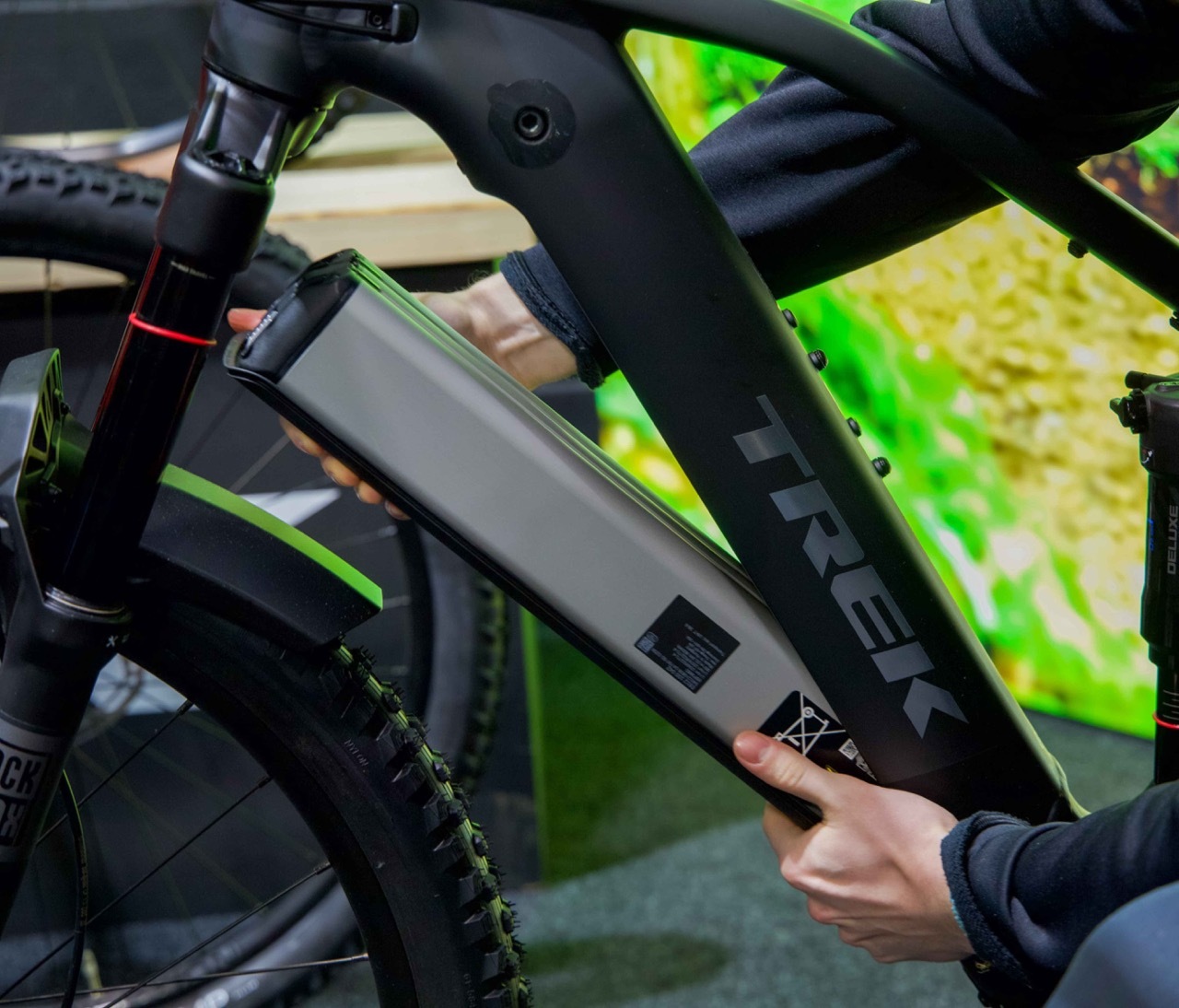
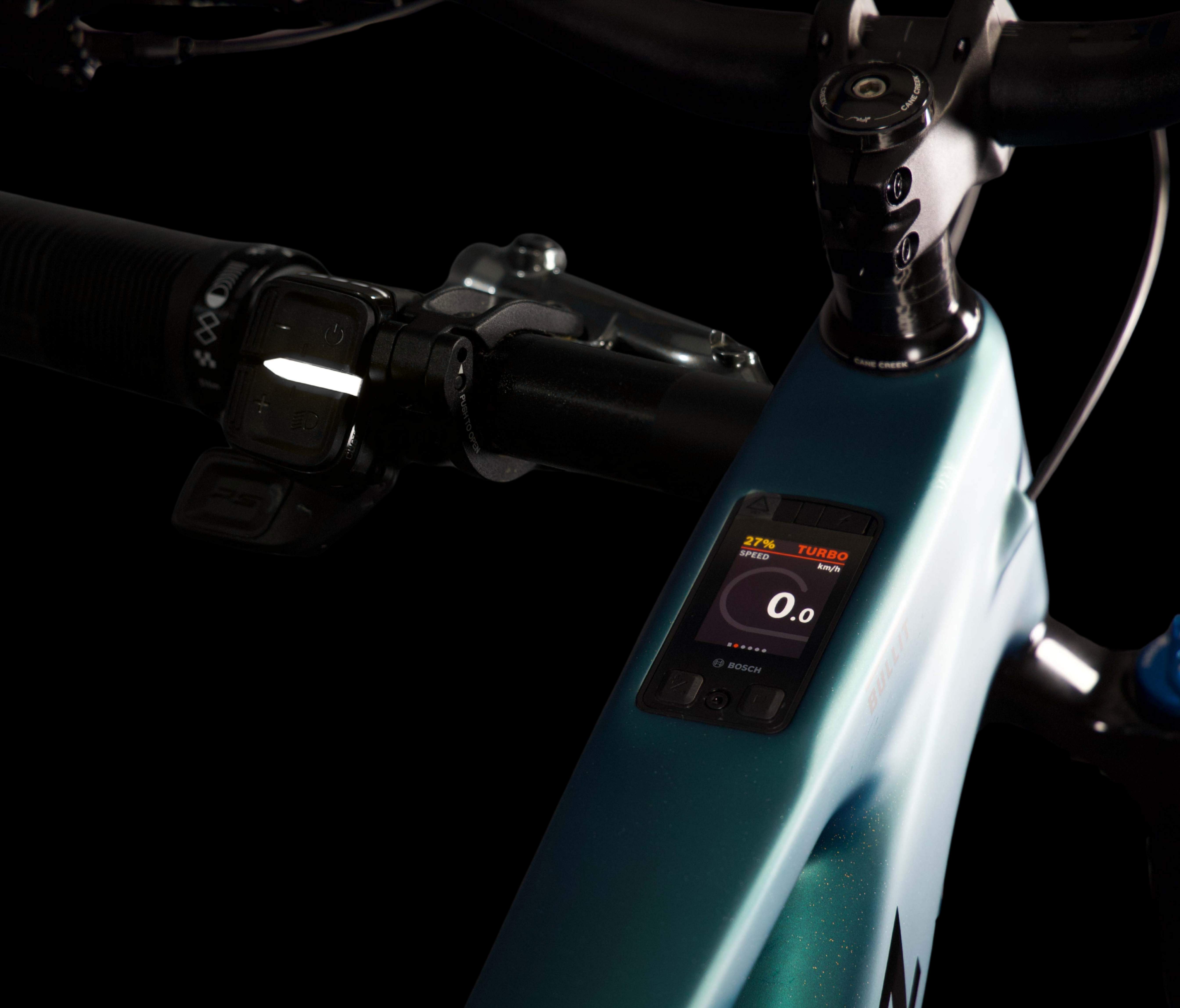
Displays and Controls: Your Interface
The display is the rider interface for the system.
Depending on the platform, it may allow you to:
• Switch assist modes
• Monitor range
• View ride data
• Activate walk assist
• Connect to a smartphone app
Some riders prefer minimal bar controls. Others like detailed top-tube displays. It comes down to preference and how much information you want while riding.
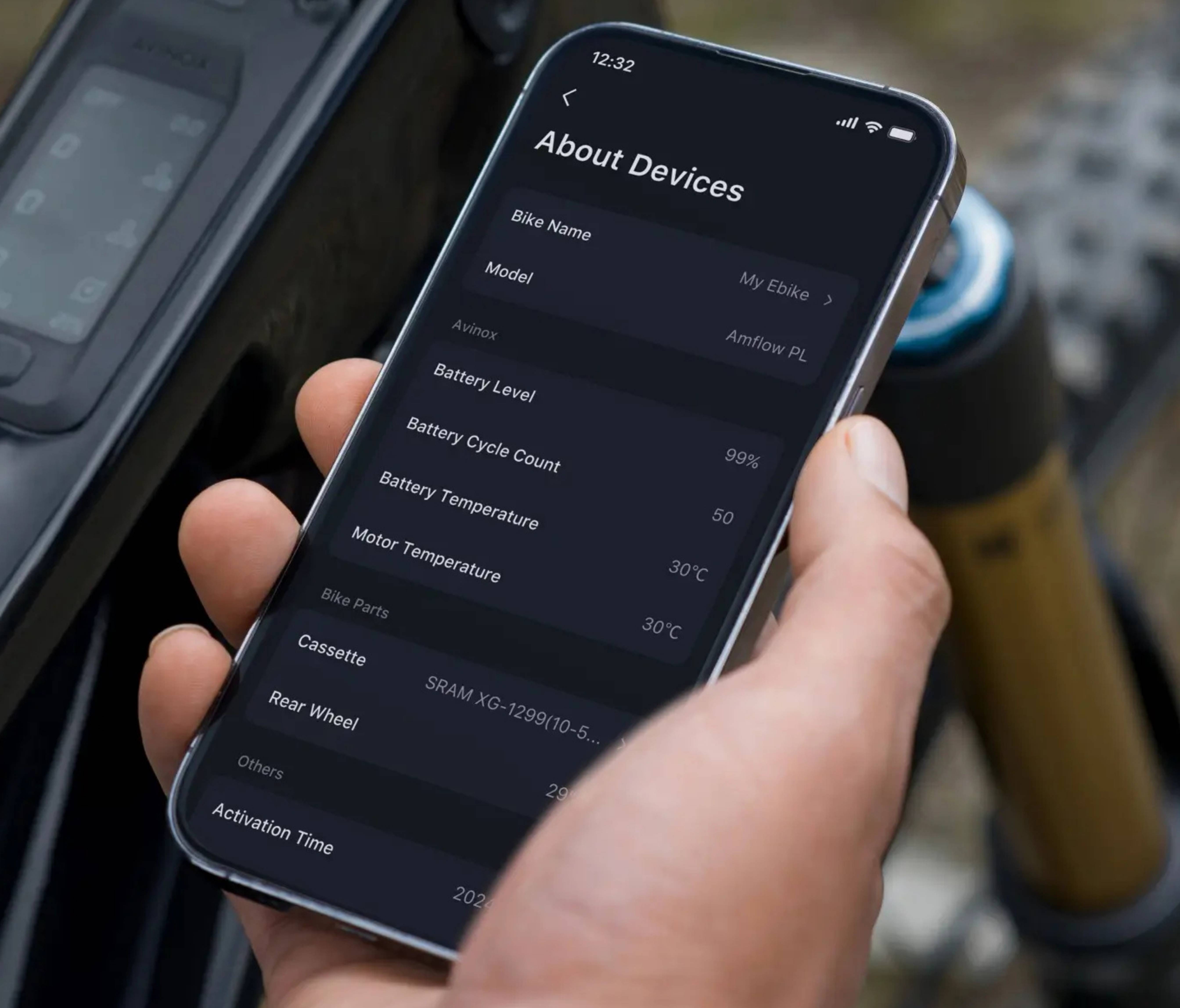
Software: The Part You Don’t See
Software now plays a major role in how an EMTB feels.
Firmware controls:
• How quickly assistance ramps in
• How smoothly torque is delivered
• How traction is managed
• How battery output is regulated
Many systems now support over-the-air updates, meaning performance refinements can be delivered long after purchase.
How This Helps You Choose the Right Bike
Understanding how the system works helps you:
• Avoid focusing only on torque
• Understand why two 85 Nm motors can feel different
• Match motor type to terrain
• Choose the right battery size
• Decide how much integration matters to you
Most importantly, it helps you choose a system that suits how and where you ride — not just what looks strongest on paper.

Where to Go Next
If you’re ready to compare the main motor platforms in detail, read:
Best Electric Mountain Bike (EMTB) Motors 2026 Compared
That guide builds on this foundation and explains how each system feels on real trails.
If you would like to explore Bosch E-Bike motors, read:
Bosch Electric Mountain Bike (EMTB) Motors: 2026 Range Explained
If you would like to explore Shimano E-Bike motors, read:
Shimano EP801 vs EP6 (2026): What’s the Difference?
And if you’re unsure which setup suits your local terrain, riding group or goals, our team is always happy to help you work through the options.
FAQs: How Electric Mountain Bike (EMTB) Motors work
Do I need to pedal for the motor to work?
Can I ride an EMTB with the motor turned off?
Does the motor make the bike harder to pedal over 15.5mph?
What is a torque sensor?
How long does an EMTB battery take to charge?
Can I use a throttle on a UK legal EMTB?
Are e-bike motors waterproof?
Why are mid-drive motors better for mountain biking?
What is the difference between peak power and nominal power?
Do EMTB motors require regular servicing?
Posted by Paul Hoyle on 30th Mar 2026