If you’re comparing EMTBs in 2026, torque will likely be the first number you look at.
That makes sense. Torque is one of the clearest measurable differences between one bike and the next, especially when the trail turns steep.
But torque alone does not determine how an EMTB rides.
This guide explains what torque really means, why it remains central to performance, and how the major motor systems compare in real-world riding.
What Torque Means in Simple Terms
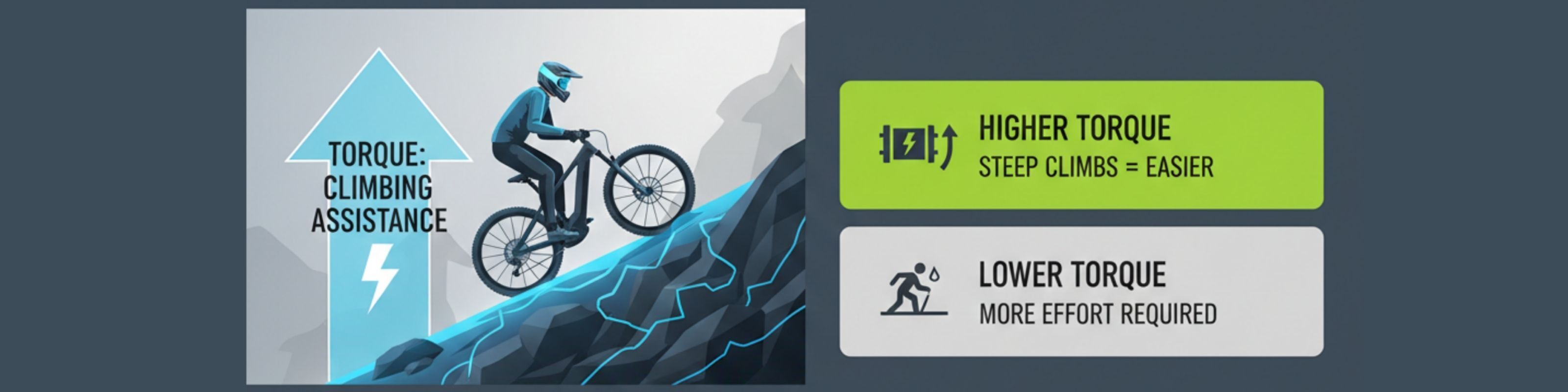
In basic terms, torque is the extra push the motor gives you when you start turning the pedals.
When you apply pressure to the crank, the motor adds electrical force through the drivetrain. That added force helps drive the rear wheel up the hill alongside your own physical effort.
The higher the torque figure, the more assistance the motor is capable of providing, particularly when climbing.
In simple riding terms:
• Higher torque makes steep climbs feel easier.
• Lower torque means you need to contribute more effort yourself.
That does not mean higher torque always feels better. It means the motor has more available headroom when the gradient increases.
Think of torque as available climbing assistance.
How that assistance is delivered depends on the system tuning.
Before We Get Into Torque Figures: A Snapshot of the Leading Motors (2026)
In 2026, five main motor ecosystems dominate serious trail and enduro EMTBs. Each has distinct strengths, which explains why bike brands choose to partner with them.
Bosch: Established Full-Power Authority
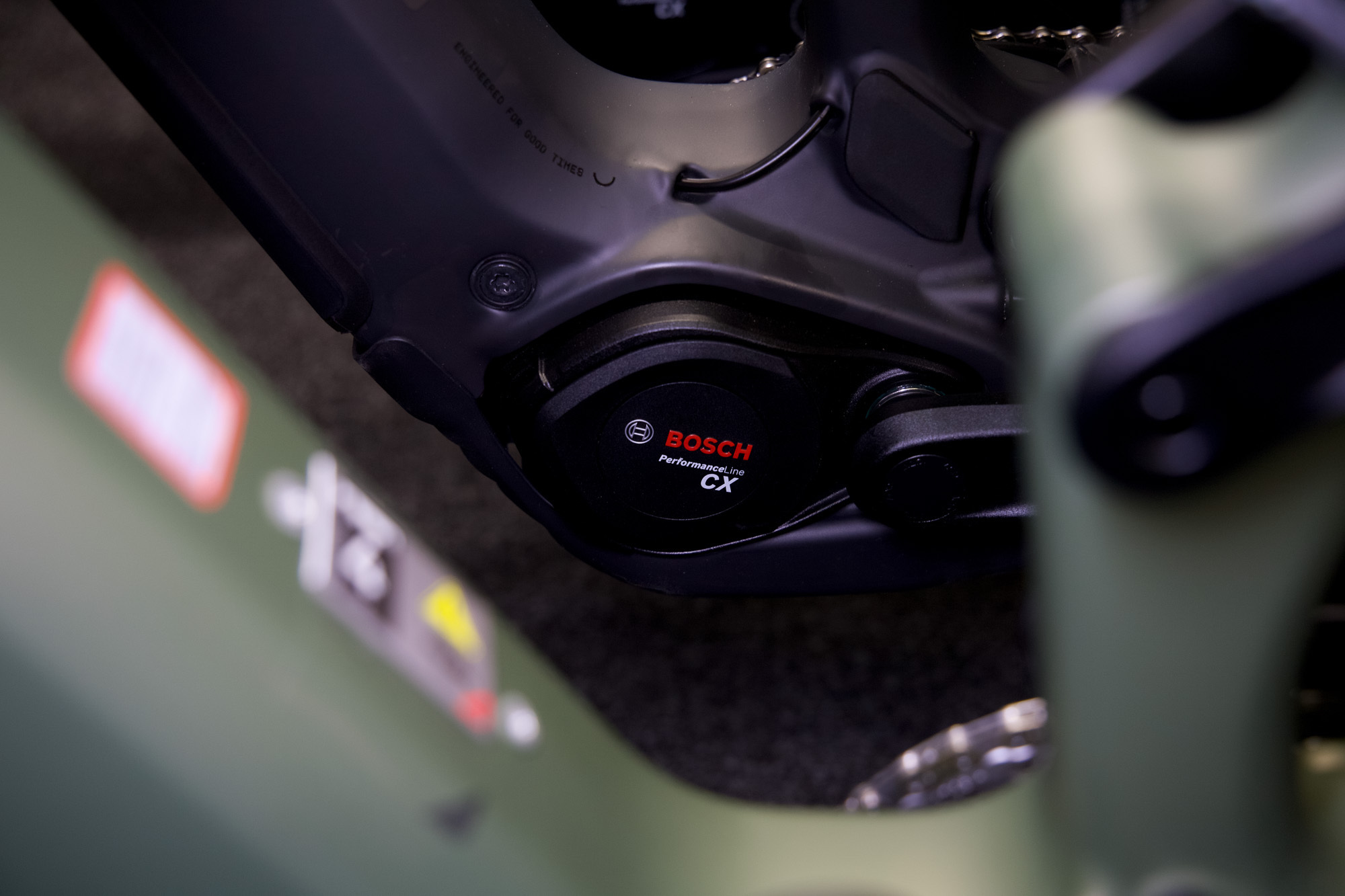
The Bosch Performance Line CX is Bosch’s flagship EMTB motor and now delivers up to 100 Nm of torque.
Bosch has long been associated with:
• Strong low-cadence climbing punch
• Consistent and repeatable motor output
• Predictable traction under load
• Mature software ecosystem (Flow app, updates, security features)
• Extensive UK dealer and strong, reliable service support
For many brands, Bosch represents a proven full-power platform with broad market confidence and long-term infrastructure behind it. While the Performance Line CX has historically been the most prominent unit across full-suspension EMTB platforms, Bosch’s EMTB offering extends well beyond a single motor.
The wider line-up includes:
• Performance Line CX Race Limited Edition — a lighter, more aggressive race-tuned variant with sharper response
• Performance Line SX — Bosch’s lightweight system aimed at the emerging “light assist” trail segment
• Performance Line (75 Nm) — positioned for versatile trail and trekking applications
Shimano: Integration and Natural Ride Feel
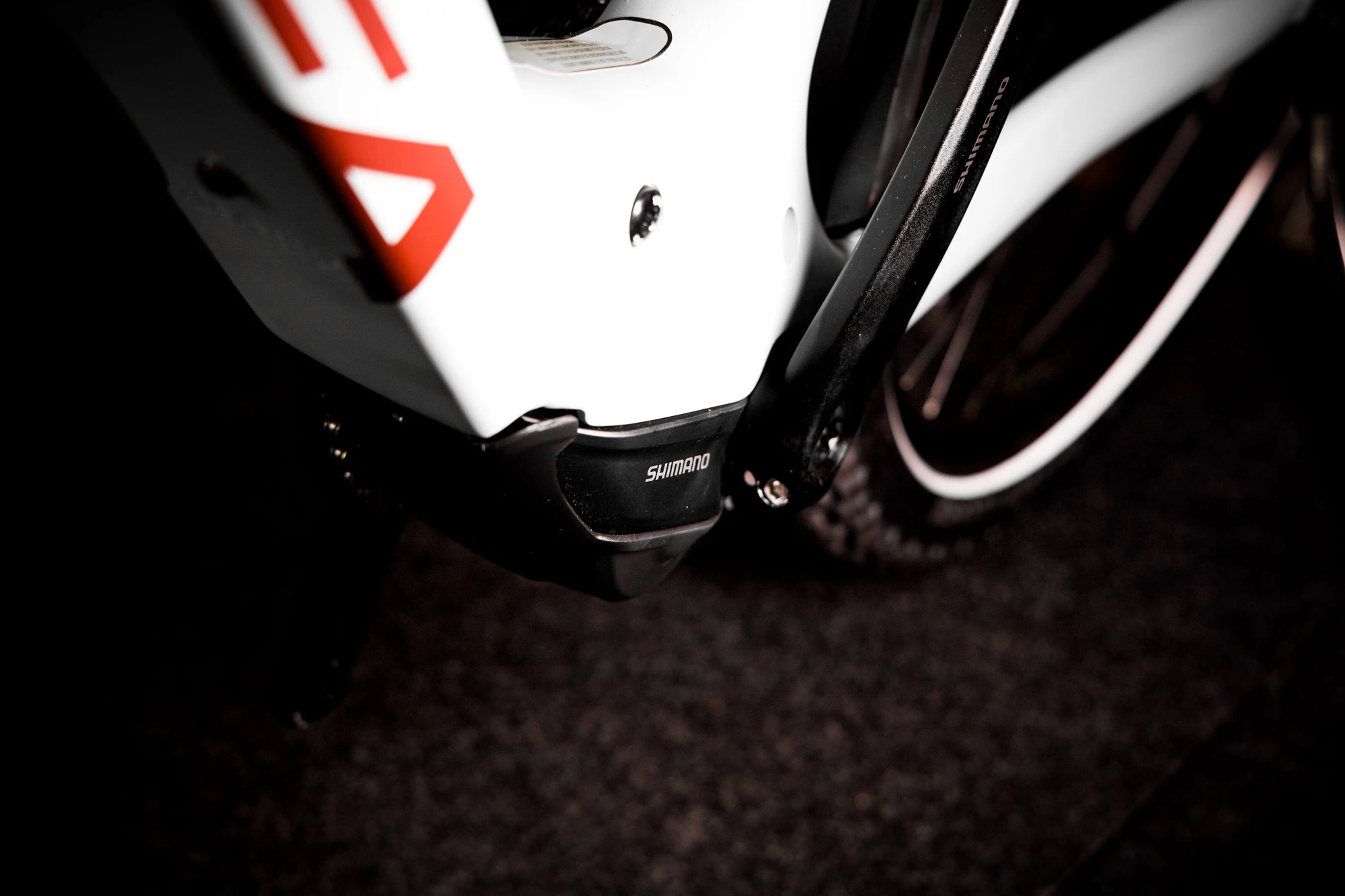
The Shimano EP801 produces up to 85 Nm of torque but delivers it progressively and in close relation to rider input.
• Shimano is known for:
• Natural pedalling feel
• Strong drivetrain integration
• Di2 compatibility
• Highly tunable assist modes
• Integration with devices such as Garmin
The Shimano EP6 shares similar torque but sits on more accessible builds.
Brands choose Shimano for integration, adjustability and refined ride character.
DJI (Avinox) - High Output and Tech-Forward Design
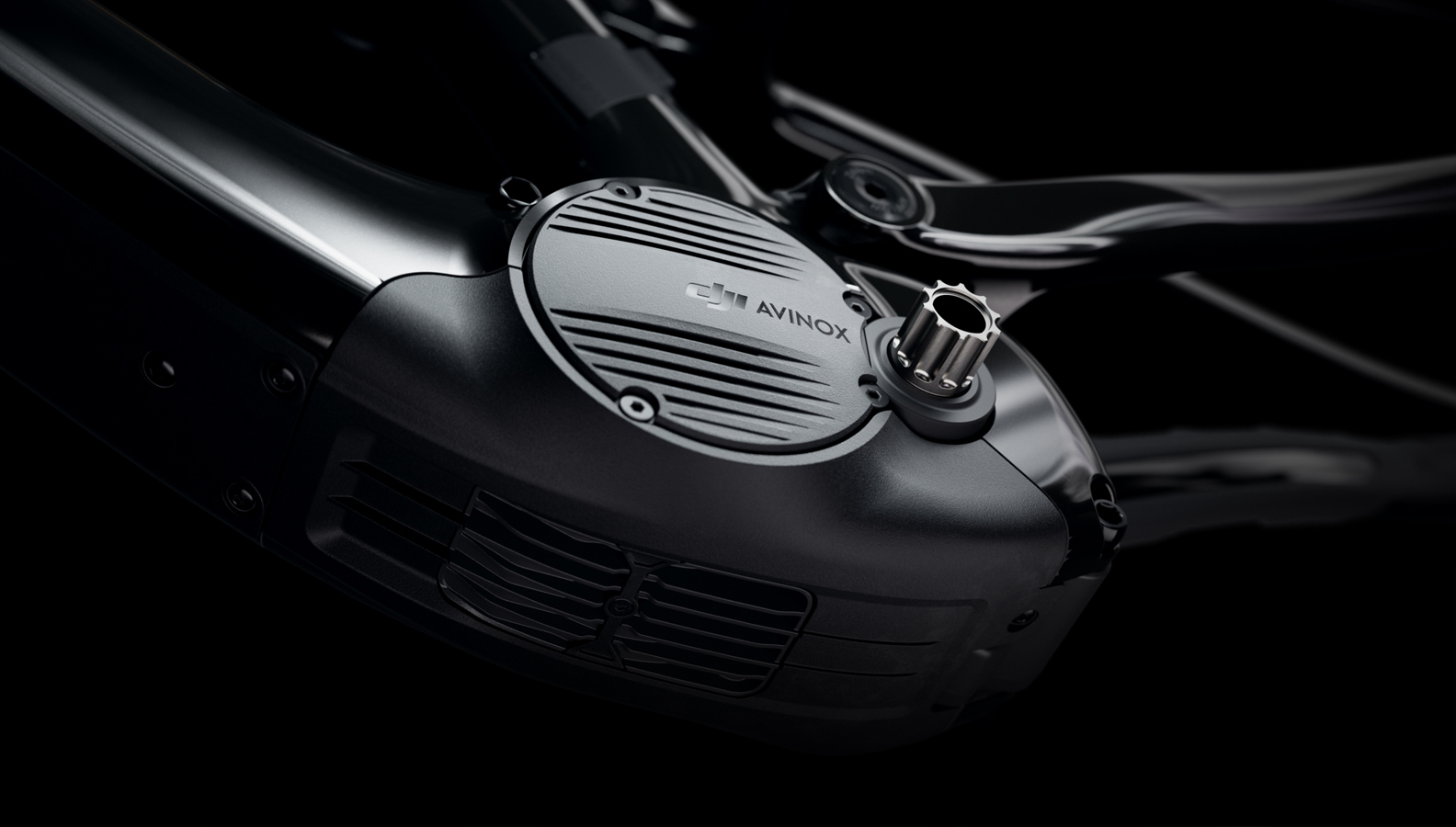
The DJI Avinox M1 enters the market with very high peak torque and strong power density.
DJI is positioned around:
• Leaders in high torque output
• Compact motor-to-weight packaging
• Large integrated display
• Tech-forward software interface
On steep climbs, it delivers strong, immediate assistance. As with any high-output system, consistent use of maximum assist will reduce range more quickly.
Brands partner with DJI where maximum climbing authority and a modern interface are priorities.
TQ - Lightweight and Near-Silent Assistance
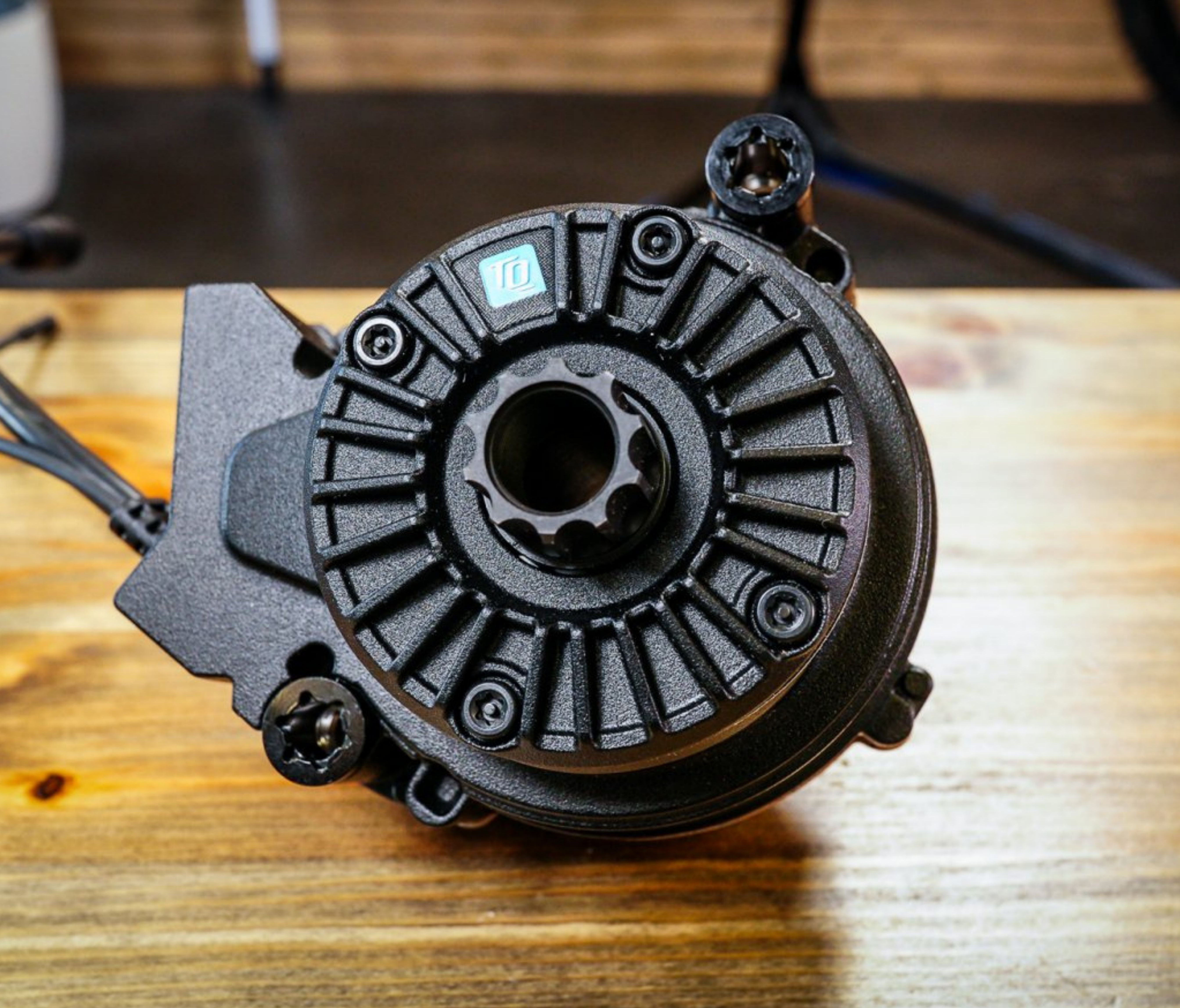
The TQ HPR50 and TQ HPR60 prioritise minimal weight and near-silent operation.
TQ is recognised for:
• Subtle assistance delivery
• Minimal mechanical drag
• Clean integration
• A ride feel close to a traditional MTB
Brands select TQ for refined builds where noise and weight matter more than maximum torque.
Mahle: Discreet Hub-Drive Assistance
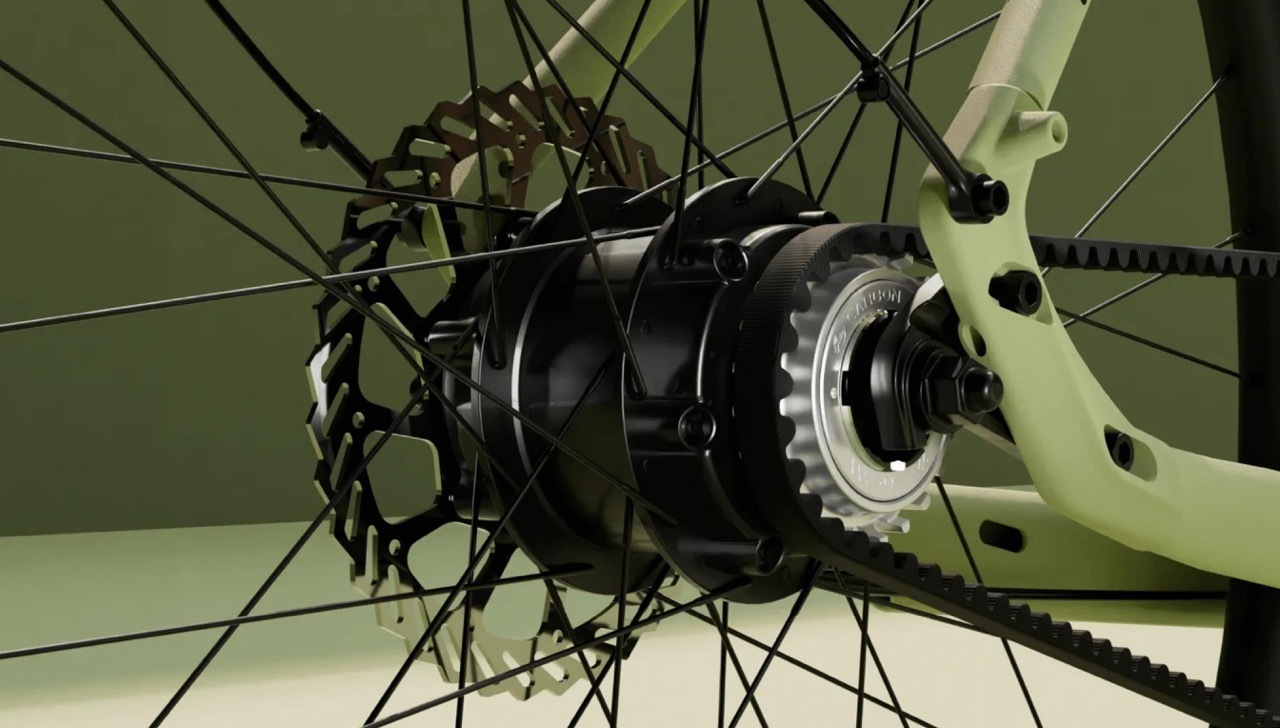
The Mahle X20 and Mahle X35 use rear hub motors rather than mid-drive systems.
Mahle is associated with:
• Lightweight, discreet assistance
• “Tailwind” style support
• Minimal cockpit clutter
These systems are designed for lighter trail and mixed-terrain riding rather than aggressive enduro climbing.
Why Torque Remains a Major Differentiator
Torque is essentially a user-friendly marker.
It tells you how much electrical assistance, or “push,” the motor can provide while you are pedalling.
When you see 60 Nm, 85 Nm or 100 Nm on a spec sheet, you are looking at the level of support available under load.
In practical terms:
• Higher torque means more support on steep gradients.
• Lower torque means greater reliance on your own effort.
Torque becomes most noticeable:
• On steep climbs
• At lower cadence
• When fatigued
• When restarting on technical terrain
That is why it remains one of the clearest ways to compare EMTBs.
Torque Comparison Overview (2026)*
| System | Approx. Torque (Nm) | Category |
|---|---|---|
| Bosch Performance Line CX | 100 Nm | Full-power |
| Shimano EP801 | 85 Nm | Full-power |
| Shimano EP6 | 85 Nm | Full-power |
| DJI Avinox M1 | Up to 120 Nm* | High-output full-power |
| TQ HPR60 | ~60 Nm | Lightweight |
| TQ HPR50 | ~50 Nm | Lightweight |
| Mahle X20 | ~55 Nm | Lightweight hub |
| Mahle X35 | ~40 Nm | Lightweight hub |
Torque Matters. But It’s Not the Whole Story.
While torque defines available assistance, it does not fully explain how a motor behaves on the trail.
Ramp-up speed, cadence sensitivity, traction control, noise levels and ecosystem refinement all influence ride feel.
Torque defines capacity.
System design defines character.
Where to Go Next
If you would like to explore Bosch E-Bike motors, read:
Bosch Electric Mountain Bike (EMTB) Motors: 2026 Range Explained
If you would like to explore Shimano E-Bike motors, read:
Shimano EP801 vs EP6 (2026): What’s the Difference?
And if you’re unsure which setup suits your local terrain, riding group or goals, our team is always happy to help you work through the options.
FAQs: Best Electric Mountain Bike (EMTB) Motors 2026 Compared
Which motor has the most torque in 2026?
Is 85Nm enough for steep UK technical climbs?
Which system is the quietest on the trail?
Can I mix and match batteries between different motor brands?
Why would I choose a lower-torque motor like the TQ?
Does Bosch have better UK support than DJI?
Which motor feels the most "natural" to pedal?
Are lightweight motors less reliable because they are smaller?
What is the lightest full-power motor?
Does higher torque mean I’ll go faster?
Posted by Paul Hoyle on 30th Mar 2026