A clear framework for matching your eMTB to the riding you actually do.
Introduction
Choosing an eMTB becomes far simpler when you begin with the terrain you ride. Terrain determines the type of forces your bike encounters, the suspension depth that feels appropriate and how the bike behaves when the ground becomes unpredictable. Many riders start by comparing specifications, but the most reliable starting point is the surface beneath your wheels.
This guide explains a terrain first framework built around real UK riding conditions. Once the terrain is understood, key decisions about suspension travel, geometry, motors, batteries and frame type become much clearer.
1. Understanding the Terrain Scale
The Terrain Scale divides UK riding into four practical categories that reflect how the ground changes from smooth to demanding. It is not a set of limitations. Riders often take bikes beyond their nominal category, but the scale highlights where each type of bike performs at its best.
As you move across the scale:
• the ground becomes rougher
• impacts increase
• features become unavoidable
• braking traction becomes more important
• line choice becomes more precise
• suspension travel increases to match the demands of the terrain
Terrain, not gradient alone, is what shapes the riding experience.

2. How to determine your riding style
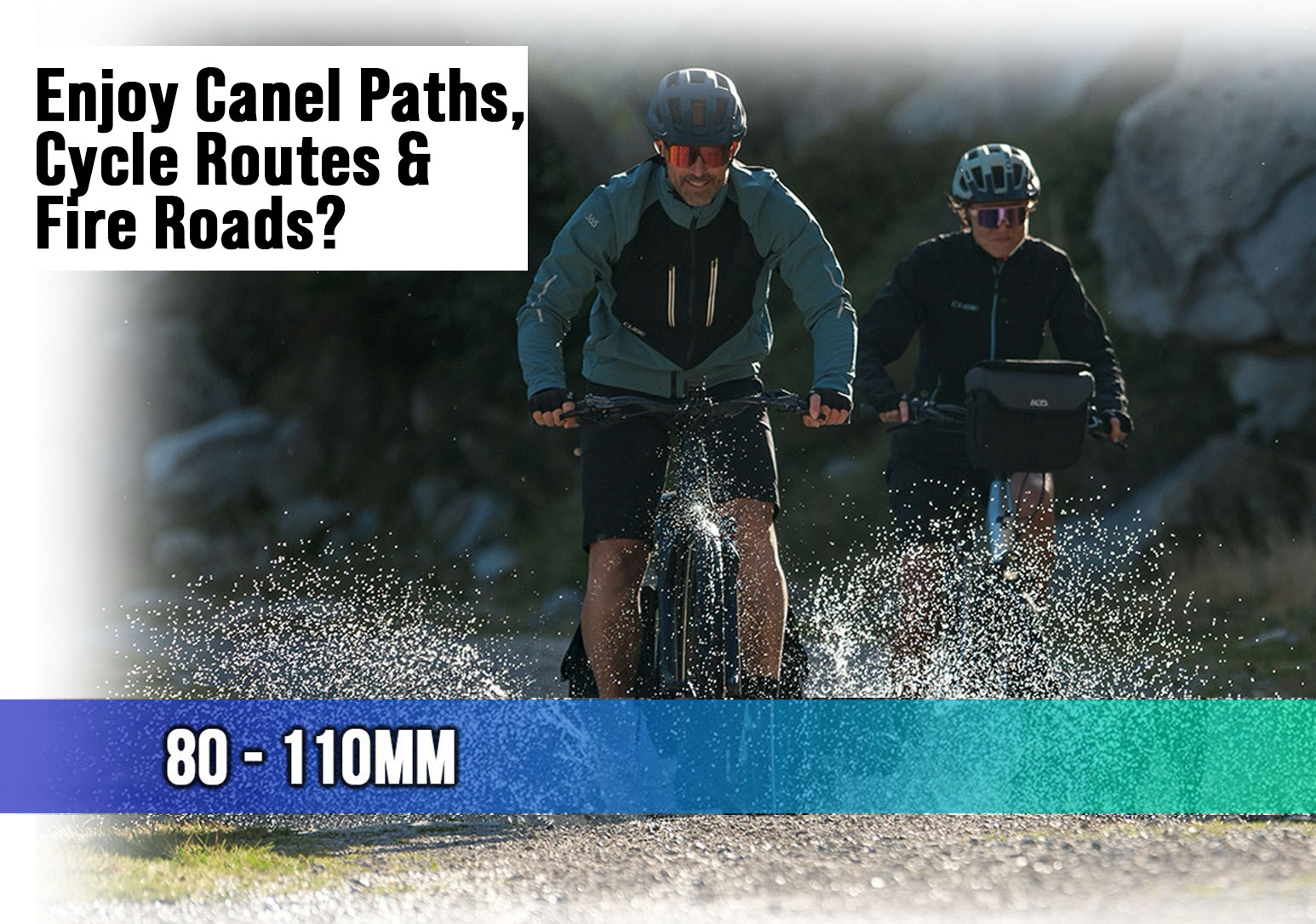
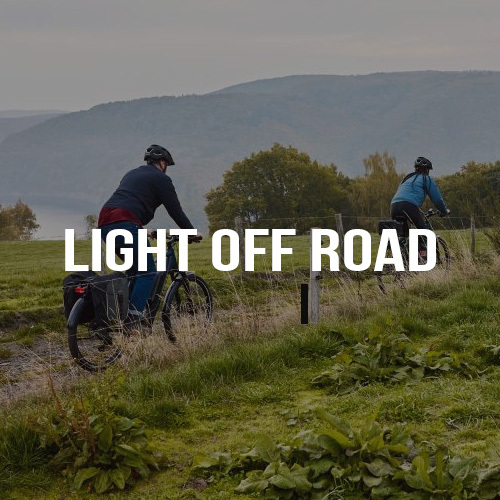
Light Off Road (80 to 110 mm)
This is smooth off road terrain with minimal technical features. Examples include canal paths, disused railway lines, forest tracks and well maintained bridleways. The key characteristics are predictable surfaces, consistent traction and avoidable obstacles. Even on steep sections, the riding remains smooth.
Suspension in the 80 to 110 mm range reduces vibration and small chatter without unnecessary weight or complexity.
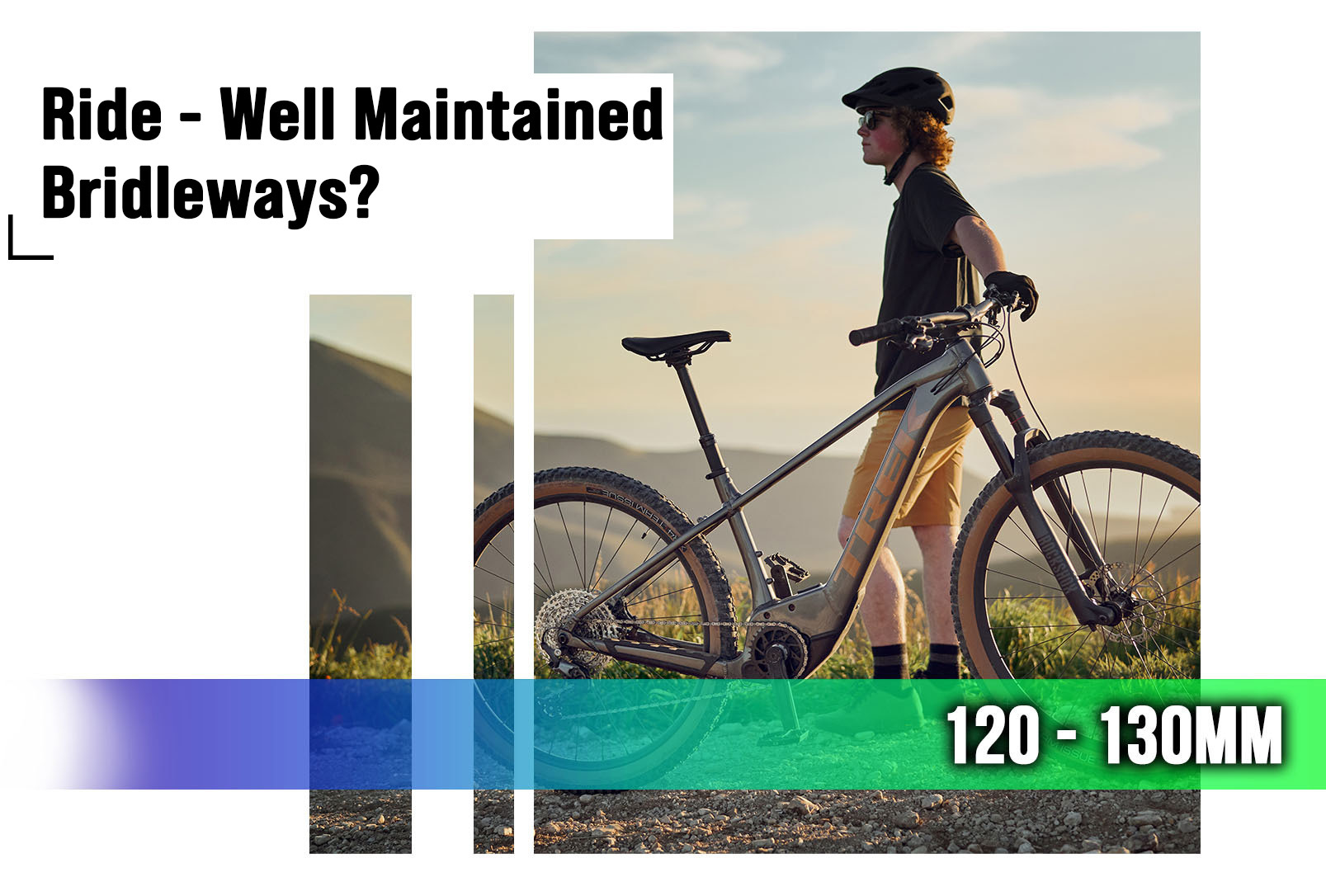
Off Road (120 to 130 mm)
Terrain begins to introduce shallow roots, small rock steps and modest compressions, while still remaining approachable. Typical examples include blue trail centre loops, rolling singletrack and the easier end of red routes.
This category benefits from slightly more travel to provide grip, comfort and stability while maintaining efficiency on longer distances.
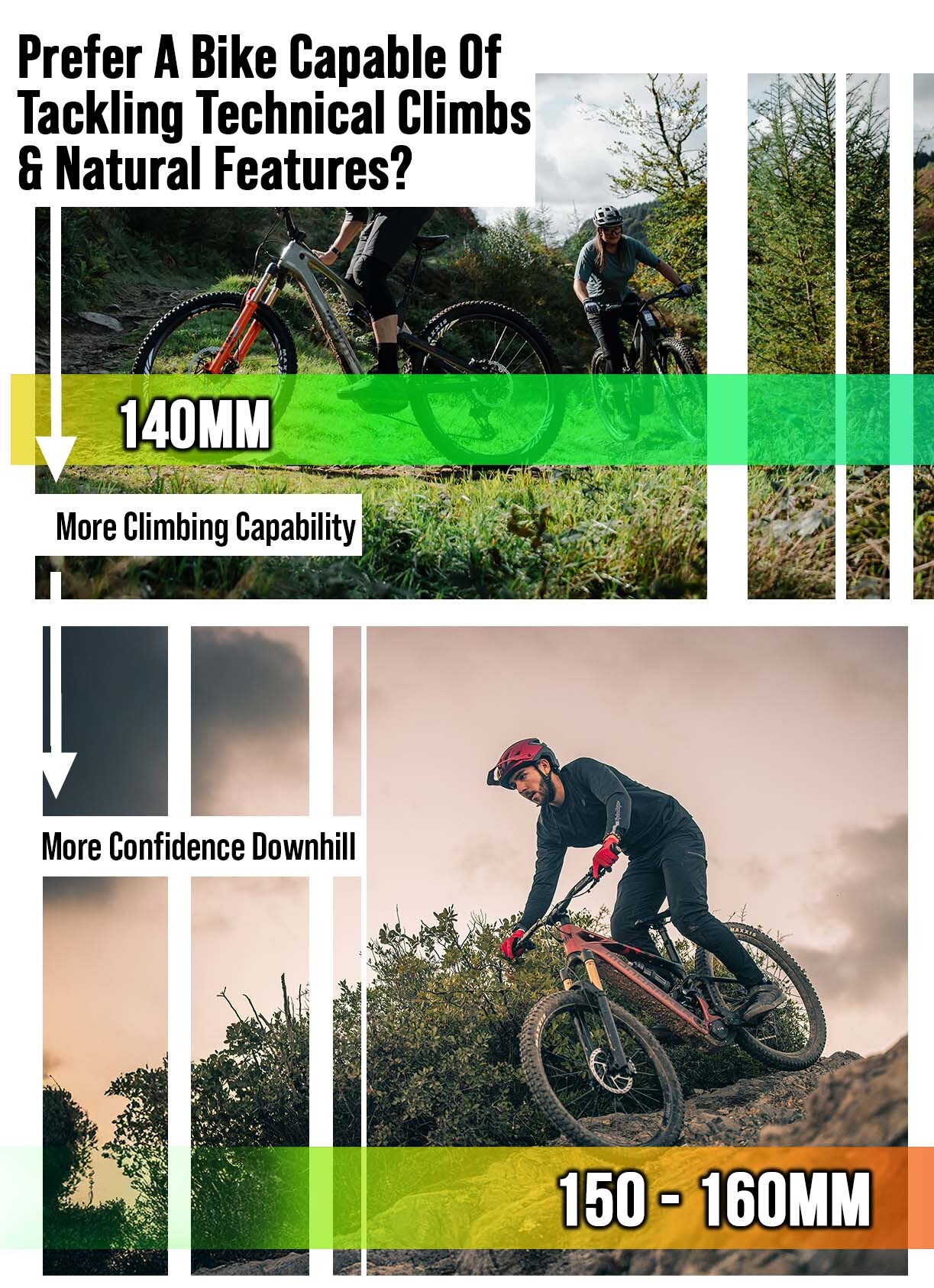
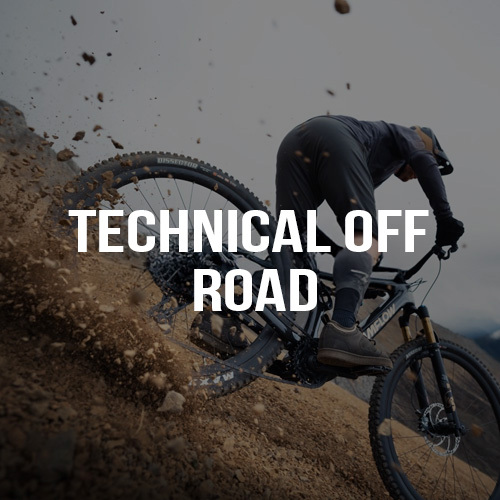
Technical Off Road (140 to 160 mm)
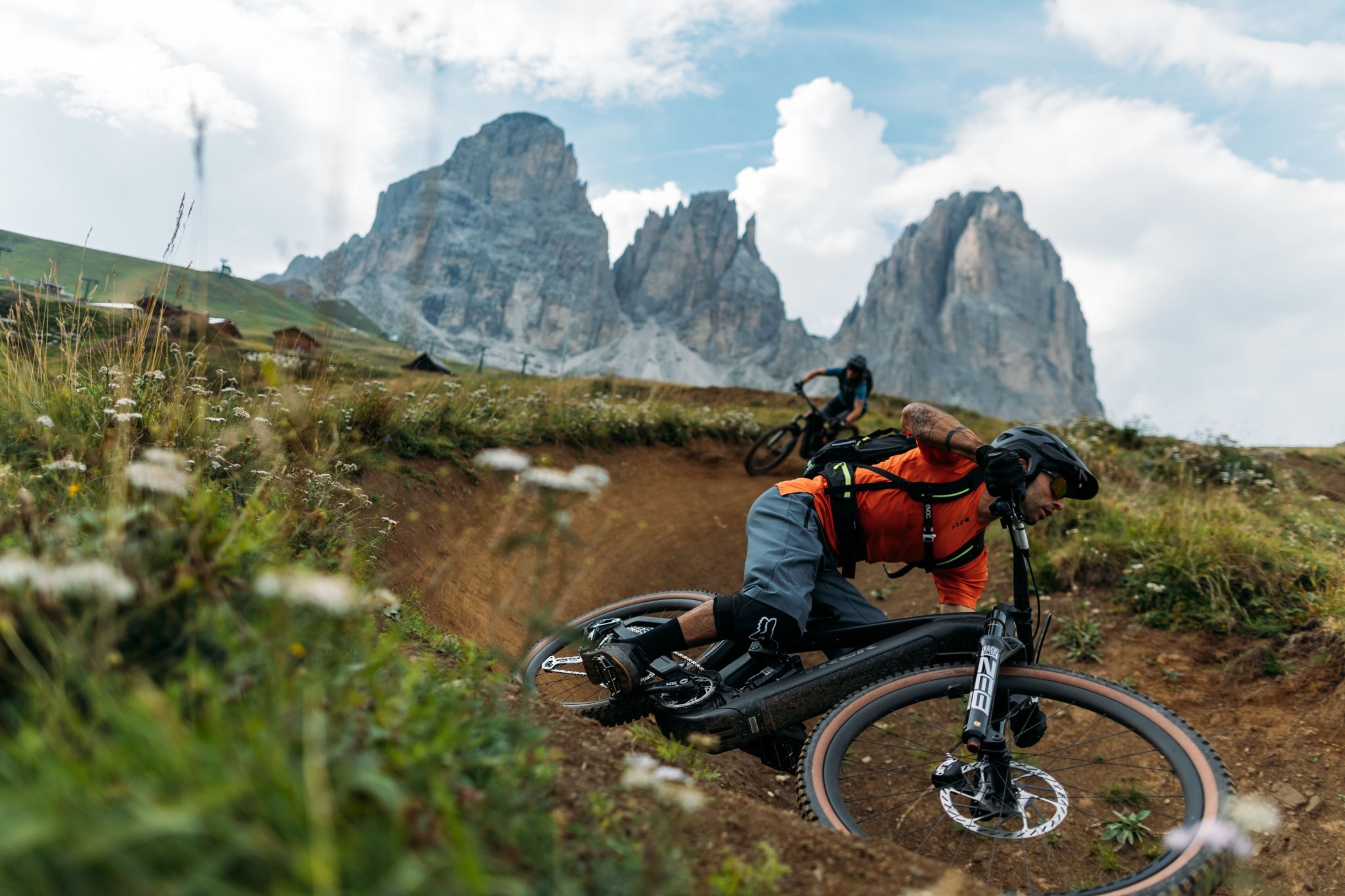
Unavoidable features begin to appear regularly and the ground becomes more complex. This includes root networks, awkward rock clusters, off camber turns, natural chutes and short technical climbs. These conditions are common across red and black trail centres, as well as natural terrain in Scotland, Wales and the Lake District.
Suspension in the 140 to 160 mm range provides the support, traction and control needed in these environments.
140 mm offers an efficient feel.
150 to 160 mm provides greater stability when the terrain becomes unpredictable.
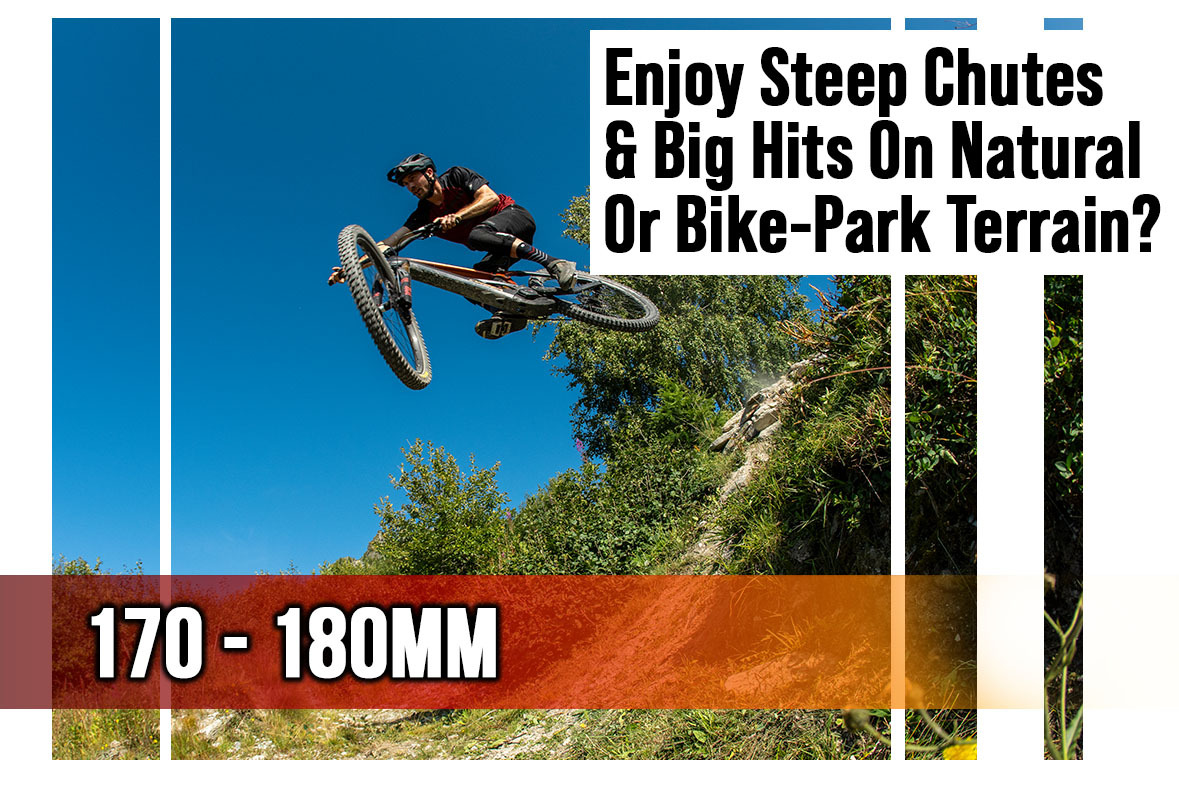
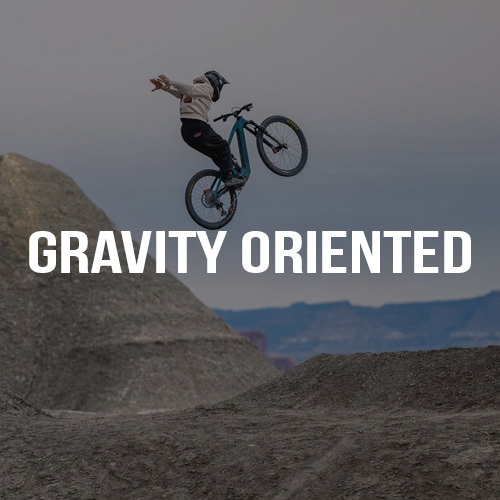
Gravity Oriented (170 to 180 mm and above)
This terrain contains steeper gradients, deeper ruts, larger drops, rock slabs and fall line descents where braking traction and control become critical. Riders require a bike that remains composed under higher forces and absorbs larger impacts without compromising stability.
Bikes in the 170 to 180 mm category are designed with this type of terrain in mind.
Conclusion
Once you understand the terrain you ride, the appropriate travel range becomes much easier to identify. Decisions about motor size, battery capacity and frame design then follow naturally. This terrain first approach creates a structured way to refine your eMTB shortlist.
For more detail, refer to:
3. Choose Your Ideal EMTB
Below are icons which directly link to each of those categories so you can find the bikes designed for the terrain you ride.

Need any further help in choosing your next bike? Drop us a line on 01254 959345, or alternatively fill out the form below. We'd be glad to help.
Posted by Paul Hoyle on 17th Dec 2025